






The Impact of U.S. Tariff Hikes on Menstrual Cup Manufacturing, Sales, and Industry Growth
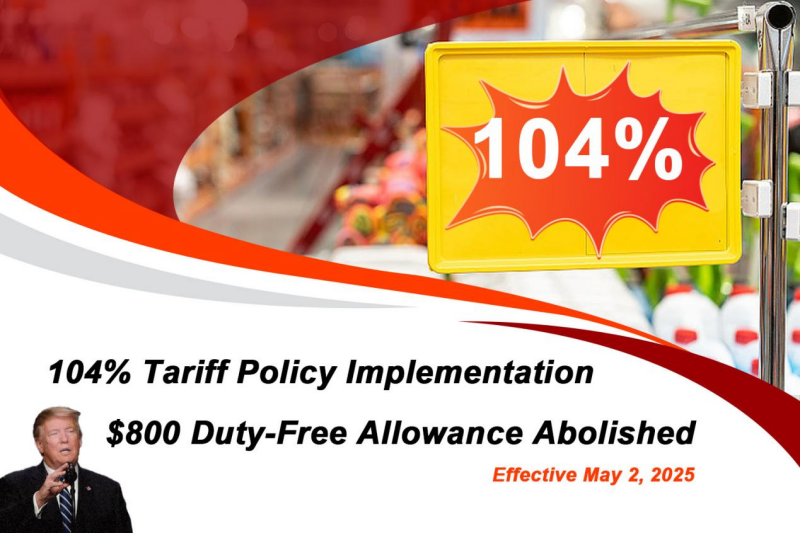
As the United States prepares to implement significant tariff increases—including the elimination of the $800 duty-free threshold and potential new duties under the “104 tariff policy”—the global Menstrual Cup industry is bracing for transformative changes. For manufacturers and exporters of these sustainable feminine hygiene products, these policy shifts will reverberate across production, sales strategies, and long-term market dynamics. This article explores the multifaceted impacts of rising U.S. tariffs on menstrual cup businesses and outlines pathways for resilience in an evolving trade landscape.

1. Implications for Manufacturing and Supply Chains
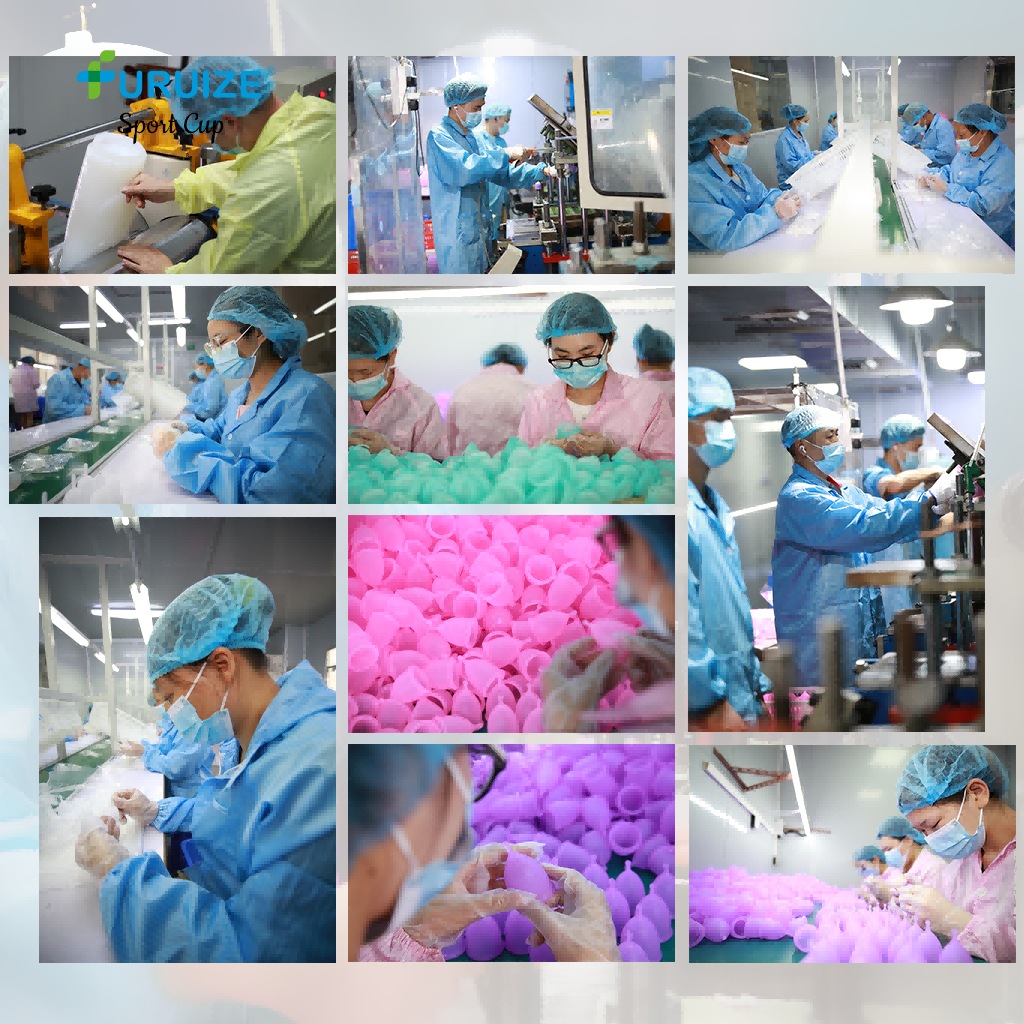
The first wave of tariff hikes will directly affect production costs, particularly for companies reliant on U.S. markets. Menstrual cups, typically made from medical-grade silicone or thermoplastic elastomers, often involve global supply chains: raw materials may be sourced from Asia, manufacturing conducted in Southeast or South Asia, and final products shipped to the U.S. for distribution.
- Increased Material and Shipping Costs: Tariffs on imported components (e.g., silicone pellets, packaging materials) and finished goods will inflate production expenses. For example, a 25% tariff on a $5 Wholesale Menstrual Cup could add $1.25 to the cost per unit, eroding profit margins for manufacturers operating on tight margins. Small and medium-sized enterprises (SMEs), which lack the scale of larger competitors, may feel this pinch most acutely.
- Supply Chain Reconfiguration: To mitigate tariff impacts, manufacturers may reconsider offshore production models. Some may opt for nearshoring or regional hubs (e.g., Mexico or Central America for U.S.-bound goods) to qualify for preferential trade agreements, reducing exposure to direct U.S. duties. Others might invest in localized manufacturing within the U.S., though this requires substantial upfront capital and addresses only finished goods, not raw material imports.
- Quality and Compliance Challenges: Stricter customs inspections accompanying tariff hikes could delay shipments, necessitating tighter quality control and compliance documentation. Non-compliance risks—such as misclassified product codes or undervalued invoices—may lead to penalties, further complicating logistics.
2. Shifting Sales Dynamics and Consumer Behavior
On the demand side, rising tariffs will influence pricing strategies, market access, and consumer choices in the U.S., the world’s second-largest market for menstrual cups (valued at over $120 million in 2023, according to Statista).
- Price Sensitivity and Market Penetration: Retail prices for menstrual cups, currently ranging from $15 to $40, may increase by 10–30% to absorb tariff costs. While eco-conscious consumers in the U.S. have shown willingness to pay premiums for sustainable products, price hikes could deter budget-conscious buyers, especially amid inflationary pressures. This may slow market penetration, particularly in lower-income demographics where menstrual cups are still gaining traction versus disposable alternatives like pads and tampons.
- E-commerce Dependency and Direct-to-Consumer (DTC) Strategies: With the elimination of the $800 duty-free threshold, low-value online orders (a key channel for Menstrual Cup Brands) will now incur duties, affecting small package shipments. DTC brands that rely on platforms like Amazon, Shopify, or their own websites may need to absorb costs, offer free shipping with higher order minimums, or transparently communicate tariff surcharges at checkout. Subscription services, a popular model for menstrual cups, may also face retention challenges if price increases outpace perceived value.
- Retailer and Distributor Relationships: Wholesale distributors, already navigating slim margins, may reduce inventory levels or demand price concessions from manufacturers, creating tension in the supply chain. Smaller brick-and-mortar retailers, which often carry niche or eco-friendly brands, could be forced to discontinue menstrual cup lines if costs become unviable, limiting product visibility in physical stores.

3. Long-Term Industry Trends and Innovation Drivers
While tariff hikes pose immediate challenges, they also accelerate broader industry trends that prioritize resilience, innovation, and sustainability—core values of the menstrual cup sector.
- Localization and Regional Production Networks: Tariffs may catalyze a shift toward regional manufacturing hubs, reducing reliance on distant supply chains. For instance, establishing production facilities in Mexico under the USMCA agreement could allow duty-free access to the U.S. market, while supporting shorter lead times and lower transportation emissions. This aligns with global efforts to build “circular economies” and reduce carbon footprints.
- Material Innovation and Cost Efficiency: To offset tariff-driven costs, R&D teams may prioritize cheaper, locally sourced materials without compromising safety or quality. Innovations like plant-based polymers or recycled silicone could reduce dependency on imported raw materials while enhancing product sustainability—a key selling point for U.S. consumers. Additionally, modular designs that minimize packaging size (thereby reducing shipping volume) may gain traction.
- Diversification Beyond the U.S. Market: Companies overly exposed to the U.S. may accelerate expansion into other high-growth markets, such as the European Union (which has harmonized tariffs and strong eco-labels like the EU Ecolabel), Canada, or emerging markets in Latin America and Southeast Asia. Regional marketing strategies, tailored to local cultural attitudes toward menstrual health and sustainability, will become critical.
- Advocacy and Policy Engagement: Industry associations and leading brands may collaborate to lobby for tariff exemptions, highlighting the public health and environmental benefits of menstrual cups. Classifying menstrual products as “essential hygiene goods” (similar to diapers or medical devices) could potentially qualify them for lower duty rates, a strategy already used in some countries to promote affordable access to menstrual care.
Adapting for Long-Term Success
To navigate these challenges, menstrual cup companies must adopt a multifaceted approach:
- Cost Transparency: Clearly communicate tariff impacts to customers, framing price adjustments as a necessary step to maintain product quality and sustainability standards.
- Supply Chain Agility: Invest in digital tools for real-time tariff tracking, inventory management, and alternative supplier networks.
- Value Proposition Reinforcement: Double down on the long-term cost savings of reusable menstrual cups (a single cup can last 5–10 years, replacing hundreds of disposable products) and their environmental benefits, appealing to consumers’ desire for both economic and ecological responsibility.
- Policy Advocacy: Partner with NGOs and industry coalitions to advocate for favorable trade classifications and duty relief, positioning menstrual cups as a tool for gender equity and sustainability.
Conclusion: A Catalyst for Resilient Growth
While U.S. tariff hikes introduce short-term turbulence, they also present an opportunity for the menstrual cup industry to evolve toward greater self-reliance, innovation, and global inclusivity. By reimagining supply chains, prioritizing local production, and leveraging their unique value as sustainable, cost-effective solutions, manufacturers and brands can not only mitigate tariff impacts but also strengthen their position in a market increasingly defined by ethical consumption and resilience. As the industry adapts, the menstrual cup’s role as a transformative tool for menstrual health and environmental stewardship remains undiminished—proof that even in the face of policy headwinds, purpose-driven innovation can chart a course for long-term success.