






The Future of Menstrual Cups: Trends, Challenges, and the Path Forward
Menstrual Cups, once a niche product, have surged into mainstream consciousness over the past decade. As society shifts toward sustainability and body-positive health practices,these reusable silicone or rubber devices are redefining period care. However, their journey toward widespread adoption is far from linear. This article explores the promising trends shaping the future of menstrual cups, the obstacles they may face, and the collective actions needed to ensure their role in a more equitable and eco-conscious world.
Emerging Trends in The Menstrual Cup Market
1. Growing Demand for Sustainable Alternatives
The global menstrual cup market is projected to grow at a CAGR of 5.3% from 2023 to 2030, driven by increasing environmental awareness. Single-use menstrual products generate over 200,000 tons of waste annually, much of which contains non-biodegradable plastics. Menstrual cups, which last up to 10 years, offer a compelling solution. Younger generations, particularly Gen Z, are prioritizing sustainability in purchasing decisions, making cups a symbol of eco-activism.
2. Innovation in Design and Accessibility
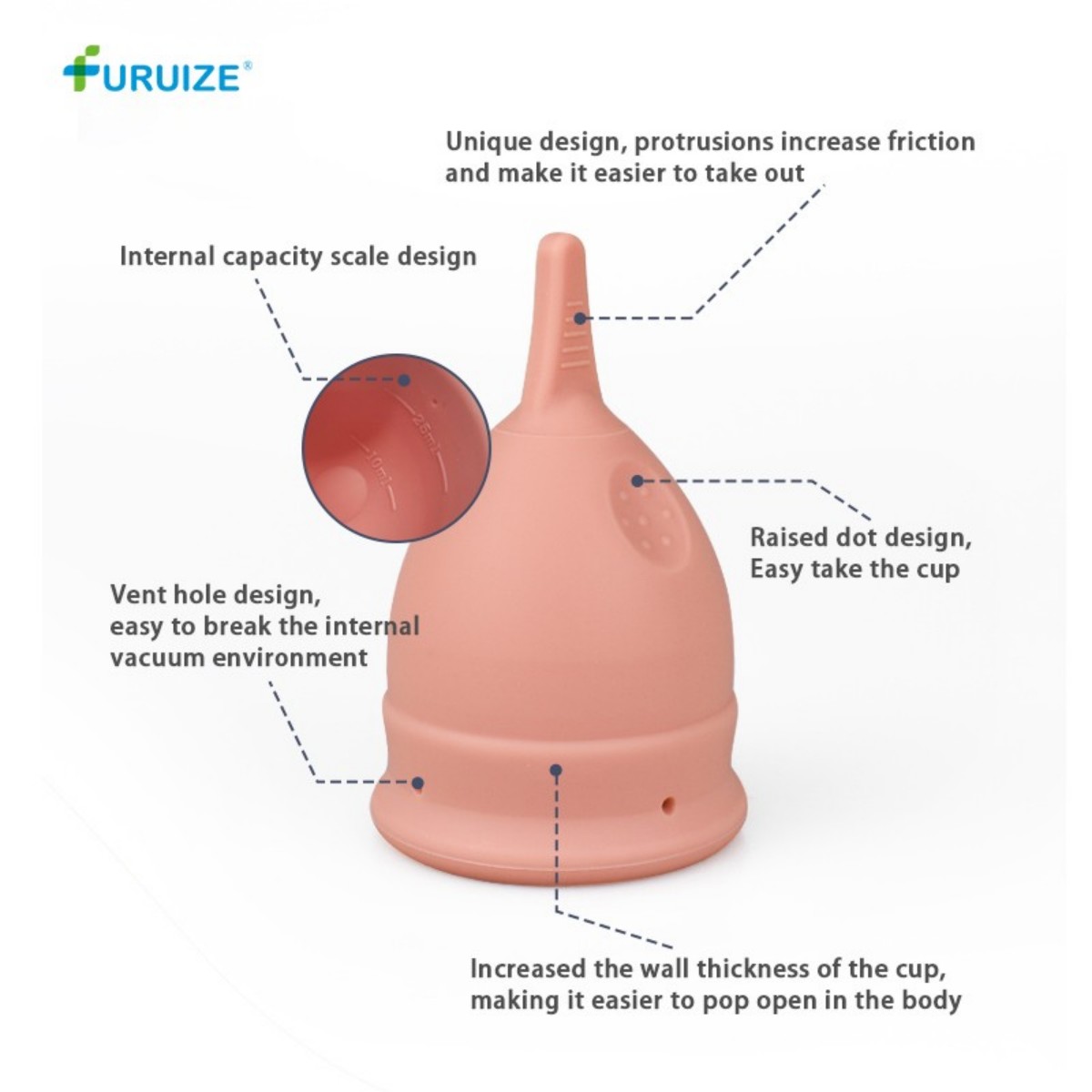
Advancements in material science and ergonomic design are making menstrual cups more user-friendly. Companies are introducing:
Size variations for different anatomies and flow levels.
Softer silicone blends for increased comfort.
Smart cups with apps to track insertion time, flow volume, and cycle patterns.
Biodegradable options made from plant-based materials like medical-grade TPE.
These innovations aim to address common pain points, such as the learning curve for first-time users and concerns about hygiene.
3. Expansion into Underserved Markets
While menstrual cups have gained traction in North America and Europe, their potential in developing regions remains largely untapped. In low-income countries, where access to affordable period products is limited, cups could revolutionize menstrual health. Organizations like UNICEF and Days for Girls are distributing cups in regions like Sub-Saharan Africa and South Asia, pairing them with education campaigns to combat stigma.
4. Policy Support and Corporate Responsibility
Governments are beginning to recognize menstrual equity as a public health priority. Scotland’s 2022 law mandating free period products in public spaces sets a precedent for integrating reusable options like cups into policy frameworks. Meanwhile, corporations are incorporating menstrual cups into employee wellness programs, framing them as both a cost-saving measure and a sustainability initiative.
Challenges Threatening Menstrual Cup Adoption
1. Cultural Stigma and Misinformation
Despite progress, menstruation remains shrouded in taboo. In many cultures, discussing vaginal insertion is considered inappropriate, deterring potential users. A 2023 survey in India revealed that 62% of women viewed cups as “unsafe” or “unhygienic,” reflecting deep-rooted misconceptions. Combating stigma requires culturally sensitive education campaigns that normalize conversations about menstrual health.
2. The Accessibility Paradox
While menstrual cups save money long-term, their upfront cost (typically 20–20–40) remains prohibitive for low-income individuals. In contrast, a pack of disposable pads costs 2–2–5, creating a financial barrier. Additionally, cups require access to clean water and sterilization tools—a challenge in areas with poor sanitation infrastructure.
3. Oversaturation and Greenwashing
The market is becoming crowded, with over 200 menstrual cup brands competing globally. While choice benefits consumers, some companies engage in “greenwashing,” using eco-friendly branding to mask unethical practices, such as sourcing non-recyclable materials or exploiting labor. This erodes trust and confuses buyers seeking genuine sustainable options.
4. Regulatory Gaps and Quality Control
Unlike medical devices, menstrual cups are often classified as “consumer goods,” subject to laxer safety regulations. In 2021, the FDA issued recalls for cups containing harmful phthalates, highlighting risks from unregulated manufacturers. Standardized testing and transparent labeling are critical to ensuring user safety.
The Road Ahead: Strategies for Success
1. Education as a Catalyst for Change
Breaking taboos starts with education. Schools, healthcare providers, and influencers must collaborate to:
Demonstrate proper cup usage through video tutorials and workshops.
Debunk myths (e.g., “cups cause virginity loss”) using evidence-based messaging.
Highlight long-term benefits, such as reduced cramps linked to chemical-free materials.
2. Subsidization and Partnerships
Governments and NGOs should subsidize menstrual cups for low-income communities, mirroring Scotland’s approach. Partnerships with local health clinics can ensure cups reach marginalized groups, including refugees and unhoused individuals.
3. Ethical Branding and Transparency
Companies must prioritize:
Third-party certifications (e.g., FDA, CE, or B Corp) to validate safety and sustainability claims.
Closed-loop recycling programs for end-of-life cups.
Inclusive marketing that features diverse body types, genders, and cultural backgrounds.
4. Technological Integration
Leveraging AI and IoT could further personalize the user experience. Imagine cups syncing with health apps to predict cycles, detect abnormalities (e.g., fibroids), or remind users to sterilize their devices. Such innovations position cups as tools for holistic health, not just period management.
Conclusion: A Menstrual Revolution in the Making
The menstrual cup industry stands at a crossroads. With sustainability no longer a niche concern but a global imperative, cups have the potential to displace disposables as the default Period Care option. Yet, their success hinges on addressing systemic inequities, fostering transparency, and dismantling centuries-old stigmas.
As consumers, advocates, and policymakers, we must champion menstrual cups not merely as products but as symbols of progress—toward a future where menstrual health is equitable, eco-conscious, and free from shame. The cup is more than a vessel; it’s a catalyst for change.