






Can Menstrual Cups Cause Pelvic Floor Issues or Prolapse? Exploring the Evidence

As more people seek sustainable and comfortable menstrual products, Menstrual Cups have gained popularity for their eco-friendliness and convenience. However, concerns occasionally arise about whether these reusable devices could contribute to pelvic floor problems or pelvic organ prolapse (POP). This article delves into the science behind these claims, separating myth from reality to help you make an informed choice.
Understanding the Pelvic Floor and Prolapse
First, let's clarify what the pelvic floor is and what causes prolapse. The pelvic floor is a network of muscles, ligaments, and tissues that support the uterus, bladder, rectum, and intestines. Pelvic organ prolapse occurs when these structures descend into or beyond the vaginal canal, often causing a feeling of heaviness, pressure, or discomfort. Common risk factors for POP include:
·Pregnancy and childbirth, especially vaginal delivery
·Aging, which weakens pelvic tissues
·Chronic straining, such as from constipation or heavy lifting
·Hormonal changes, like those during menopause
·Genetic predisposition or pre-existing connective tissue disorders
Notably, medical research consistently identifies these factors as primary contributors to pelvic floor dysfunction—not menstrual product use.
How Menstrual Cups Work: Design and Mechanics
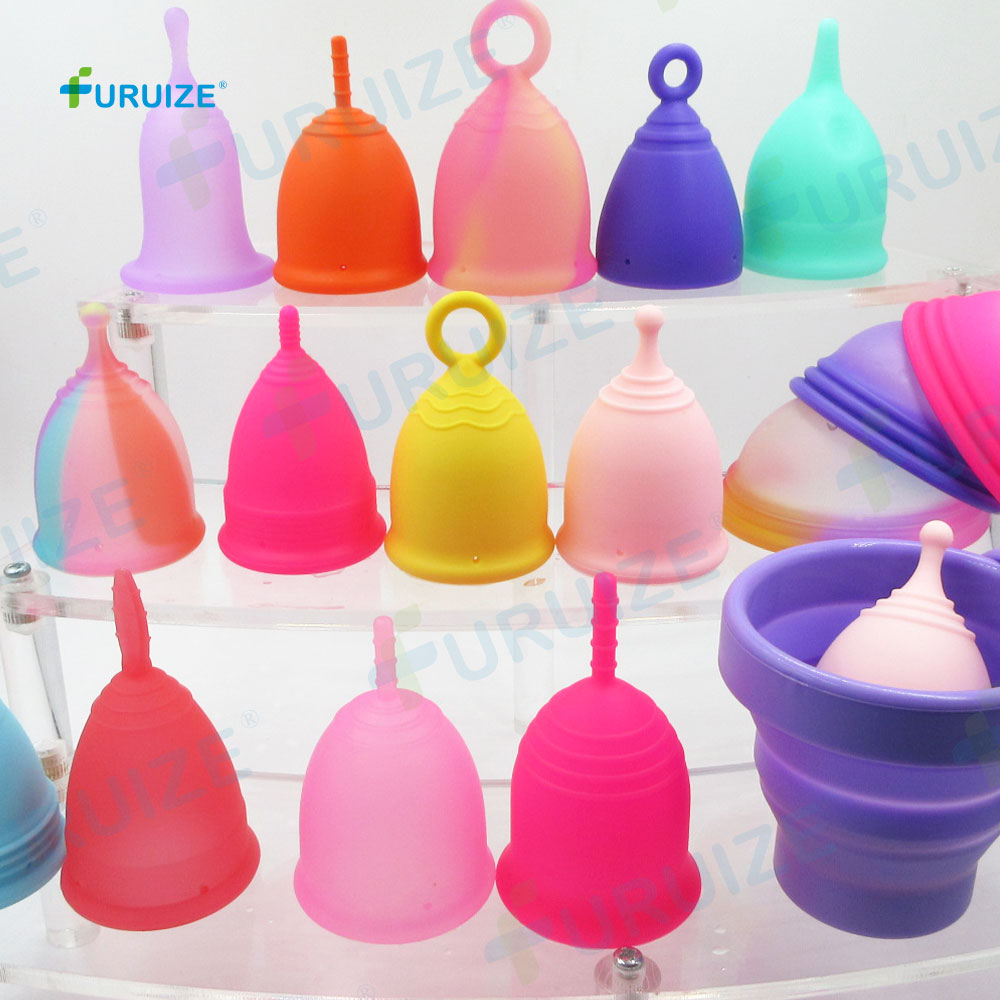
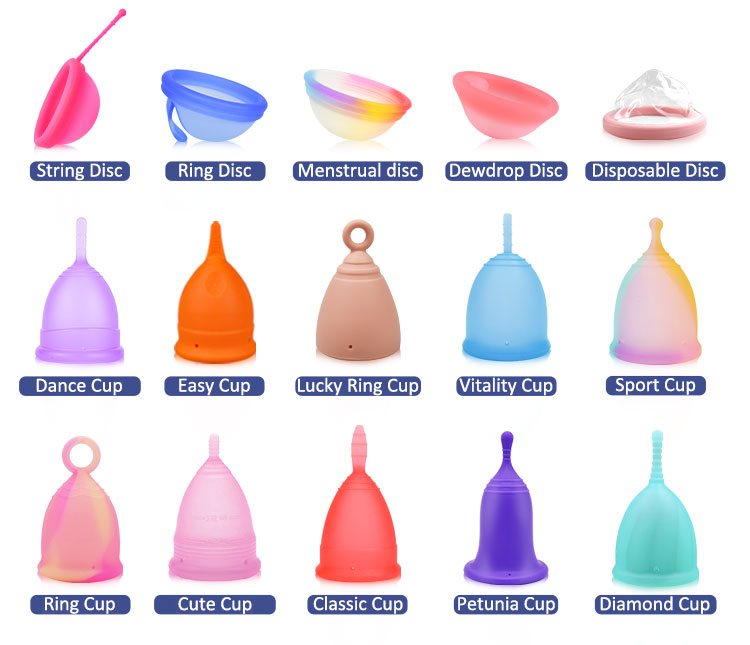
Menstrual cups are typically made of medical-grade silicone, rubber, or TPE and come in various sizes and shapes. They work by forming a gentle seal against the vaginal wall to collect menstrual fluid, unlike tampons or pads that absorb it. Key design features include:
·Flexible rims: Designed to rest low in the vagina, below the pubic bone, without applying pressure to the pelvic floor
·Ergonomic shapes: Most cups have a bell or tulip shape to fit the natural contours of the vaginal canal
·Size options: Users are advised to choose a cup based on their age, pelvic floor tone, and whether they've given birth vaginally
Proper placement involves inserting the cup so that it sits at the base of the vaginal canal, where the pelvic floor muscles are less active during daily movements. Unlike tampons, which may require higher placement, cups rely on suction (created by their rim) rather than pressure to stay in place.
Debunking the Myths: Do Cups Strain the Pelvic Floor?
1. "Removing a Menstrual Cup Requires Excessive Pulling"
A common misconception is that removing a cup demands strong pelvic floor contractions or pulling force. In reality, proper removal involves breaking the seal first—users are taught to run a finger along the base of the cup to release suction before gently pulling it out. Forgetting to break the seal may lead to minor resistance, but this is a user error, not a design flaw. When used correctly, removal should not require straining or excessive force.
2. "Cups Add Constant Pressure to the Pelvic Organs"
Medical imaging studies show that a correctly sized and positioned menstrual cup exerts minimal pressure on the vaginal walls—far less than the pressure exerted by tampons or even the natural tension of underwear. The American College of Obstetricians and Gynecologists (ACOG) notes that no clinical evidence links menstrual cup use to pelvic floor dysfunction, as long as users select the right size and follow instructions.
3. "Long-Term Use Weakens Pelvic Muscles"
Some worry that relying on a menstrual cup could "lazy" the pelvic floor muscles, but this is biologically implausible. Pelvic muscles engage during activities like walking, coughing, or lifting, not during passive product use. Unlike devices like pessaries (used to treat prolapse), cups are not designed to provide structural support—they simply collect fluid without interfering with muscle function.
What the Research Says
A review of existing literature reveals a lack of causal association between menstrual cups and pelvic floor issues:
·A 2021 study in BJOG: An International Journal of Obstetrics & Gynaecology followed 500 menstrual cup users for two years and found no significant changes in pelvic floor muscle strength or prolapse symptoms.
·The International Urogynecological Association (IUGA) states that while individual anecdotes of discomfort exist, there is no epidemiological evidence linking menstrual cups to POP. Most reported issues stem from improper sizing (e.g., using a cup too large for the vaginal canal) or pre-existing conditions.
·User surveys consistently show that when fitted correctly, menstrual cups improve comfort and quality of life, with no adverse effects on pelvic health.
Safe Usage: Tips to Prevent Discomfort
While the risk of prolapse or pelvic floor dysfunction from menstrual cups is negligible, following these guidelines can enhance safety and comfort:
1. Choose the Right Size
Manufacturers often provide size charts based on:
·Age: Some brands recommend smaller cups for those under 30
·Childbirth history: Larger cups may be suitable for those who've had vaginal deliveries
·Pelvic floor tone: Individuals with weaker muscles (e.g., post-menopause) may benefit from softer, smaller cups
2. Practice Proper Insertion and Removal
·Insert at a 45° angle to follow the vaginal canal's natural curve
·Break the seal before removal to avoid unnecessary tension
·Trim the stem if it protrudes and causes irritation
3. Listen to Your Body
If you experience persistent discomfort, pressure, or a sensation of "bulging," consult a gynecologist or pelvic floor physiotherapist. These symptoms may indicate an unrelated issue (e.g., weak muscles, previous injury) rather than cup use.
Who Should Exercise Caution?
While most people can use menstrual cups safely, those with pre-existing conditions may need extra care:
·Individuals with mild prolapse: A healthcare provider can advise on whether cups are suitable or if a different product (e.g., a lower-absorbency tampon) is preferable.
·Those with sensory hypersensitivity: Some find the physical presence of a cup uncomfortable, even if it doesn't harm the pelvic floor. Trying different brands or materials (e.g., softer silicone) may help.
·People with chronic constipation or cough: Since straining increases intra-abdominal pressure (a POP risk factor), addressing these underlying issues is more important than the choice of menstrual product.
The Bottom Line: Evidence vs. Anecdotes
After reviewing medical research, expert guidelines, and real-world user experiences, the conclusion is clear: menstrual cups do not cause pelvic floor issues or prolapse when used correctly. The fear often stems from misunderstandings about how they work or isolated cases of improper use, not from scientific evidence. In fact, their design—low placement, minimal pressure, and gentle seal—makes them a safe alternative to traditional products for most people.
As with any intimate health product, individual comfort varies. If you're new to cups, start with a reputable brand, follow the sizing guide, and seek professional advice if you have concerns. Ultimately, the key to pelvic health lies in addressing proven risk factors (e.g., managing chronic strain, staying active) rather than worrying about a menstrual product that's been widely embraced for its safety and sustainability.
By separating myth from evidence, we can appreciate menstrual cups for what they are: a revolutionary, body-friendly tool that empowers users without compromising pelvic health.