Leave Your Message
Menstrual Care isn't a niche wellness trend anymore—it's becoming a serious global manufacturing category. And honestly, the numbers back that up: back in 2023, the WHO and UNICEF Joint Monitoring Programme reported that 1.8 billion people menstruate worldwide. But safe, affordable, and comfortable products? They're still not available evenly. That gap? It creates some real opportunities for responsible suppliers and informed buyers.
Grand View Research reckons the global Menstrual Cup market will keep growing over the next decade, with momentum coming from demand for reusable products and, well, sustainability concerns. Of course, different research firms don't all see it the same way. And that's actually a big deal. So before you latch onto some headline number, buyers should really dig into how each report defines the market, which regions it covers, and what forecast years it's using. So, this guide takes a look at ten of the leadingCopas Menstruales Manufacturers, using some pretty practical criteria—material safety, production capacity, certifications, mold consistency, packaging, and export experience. Honestly, the small stuff matters. A smooth rim, a clean storage pouch, and silicone that has a stable, consistent thickness? All of that can affect daily comfort.
Honestly, commercial decisions should really be grounded in clinical evidence. Take the Lancet Public Health review from Dr. Penelope Phillips-Howard and her colleagues: they concluded, “This systematic review demonstrates that menstrual cups are a safe option for managing menstruation.” What that tells me is we need thoughtful product education—not overblown promises. And if you look at brands like The Keeper, Mooncup, Diva International, Saalt, and Intimina, each one stands out in its own way, whether that’s design, distribution, or how they talk to consumers. That said, no supplier's ever perfect—right? Some product pages can look really slick, but when you go looking for independent proof, there’s often not much out there. So if you’re buying globally, do yourself a favor: ask for test reports, factory audits, traceability records, and samples before you sign anything. And remember, the biggest manufacturer isn’t always the best one. You need to see reliability proven again and again, not just once.
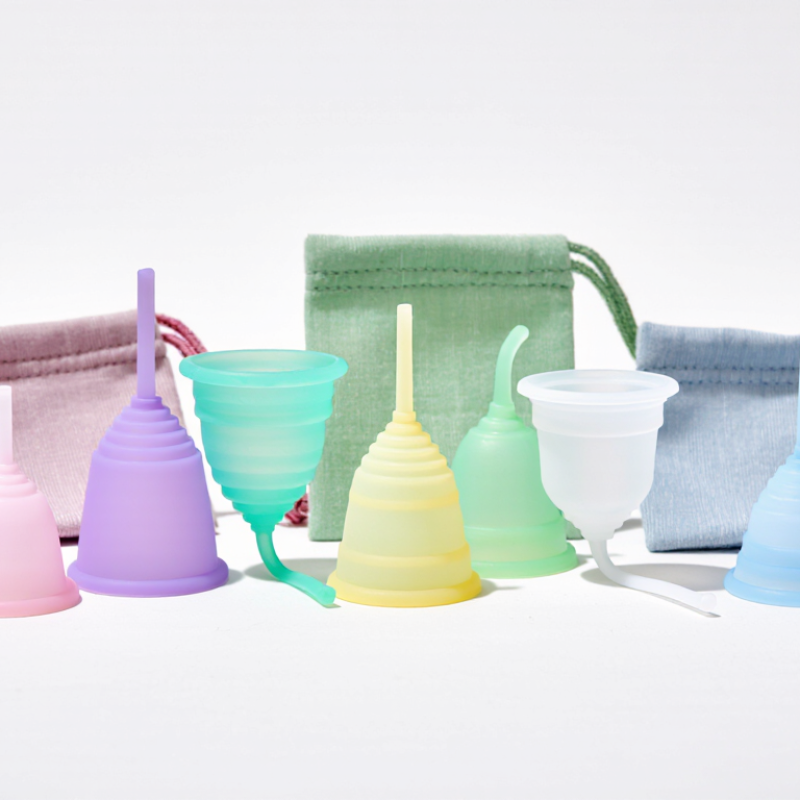
A reliable menstrual cup manufacturer proves quality through repeatable processes, not polished promises. Buyers should request material specifications, batch records, and independent test reports. Medical-grade silicone should remain stable after cleaning and normal use. Clear documentation matters.
Factory experience becomes visible during sampling. Ask for several production samples from different batches. Compare their softness, rim shape, surface finish, and package labeling. A dependable supplier can explain mold control, visual inspection, and defect handling. Certifications such as ISO 13485 may support confidence, but buyers should verify their scope and validity. Requirements also differ across markets.
Communication reveals practical reliability. The manufacturer should answer questions about lead times, minimum quantities, packaging changes, and traceability. It should identify the responsible quality contact, not hide behind vague replies. Small details matter. A missing lot code can complicate investigations later. Suppliers should also protect user privacy and avoid unsupported health claims.
No manufacturer is flawless. A perfect sample can still hide inconsistent mass production. That is why pre-shipment inspections and periodic laboratory testing remain useful. Buyers should review complaint procedures, replacement policies, and corrective actions before signing an agreement. A serious factory accepts difficult questions and documents its limitations. This honesty is often more valuable than a low quotation.
A practical, company-neutral benchmark for evaluating menstrual cup manufacturing partners
| Rank | Reliability Dimension | What Global Buyers Should Verify | Recommended Evidence | Buyer Benchmark | Importance |
|---|---|---|---|---|---|
| 1 | Material Safety | Use documented body-safe elastomer or silicone suitable for prolonged skin and mucosal contact. | Material specification, supplier declaration, batch traceability | Material identity and formulation documented for every production batch | Critical |
| 2 | Biocompatibility Testing | Assess biological safety using a risk-based test plan appropriate for the intended duration and type of contact. | Independent laboratory reports and risk assessment | Test plan aligned with ISO 10993 principles where applicable | Critical |
| 3 | Quality Management System | Confirm controlled procedures for design, purchasing, production, inspection, complaints, and corrective actions. | Valid quality certificate and audit records | ISO 13485 certification is a strong positive indicator for medical-device supply | Critical |
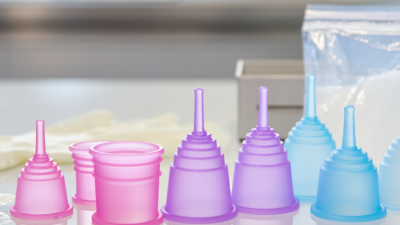
| 4 | Dimensional and Functional Consistency | Control rim diameter, stem length, wall thickness, firmness, flexibility, and opening performance. | Approved drawings, inspection reports, functional samples | Documented tolerances for all safety- and fit-related dimensions | High |
| 5 | Process Validation | Verify that molding, curing, trimming, washing, drying, and packaging processes are repeatable. | Validation protocols, production records, first-article approval | Critical processes validated before routine mass production | High |
| 6 | Cleanliness and Microbiological Control | Maintain hygienic manufacturing conditions and prevent contamination during production and packing. | Environmental procedures, cleaning records, microbiological test results | Defined cleanliness limits and documented release criteria | High |
| 7 | Regulatory and Documentation Support | Support the buyer with technical files, labeling information, declarations, test reports, and market-specific documents. | Document index, declarations, labeling samples, change-control procedure | Documentation mapped to the destination market before launch | High |
| 8 | Supply Capacity and Lead-Time Control | Evaluate production capacity, critical-material availability, scheduling discipline, and contingency planning. | Capacity statement, production schedule, historical delivery records | Lead times and monthly capacity stated in writing and verified by purchase history | High |
| 9 | Packaging and Traceability | Ensure each shipment can be traced to raw materials, production dates, inspection results, and packaging lots. | Lot-code format, packing specifications, retention-sample policy | Clear lot identification from finished product back to production records | Medium-High |
| 10 | After-Sales Responsiveness | Assess response time, complaint handling, replacement procedures, and willingness to investigate nonconformities. | Complaint procedure, corrective-action examples, service-level agreement | Written escalation process with defined response and resolution targets | Medium-High |
Request material specifications, batch records, test reports, and export documents. Clear records are more useful than polished promises.
Request samples from several batches. Compare softness, rim shape, surface finish, color, and package labels. Small differences may reveal weak process control.
It should explain mold control, visual inspection, defect handling, and traceability. Ask who manages quality questions. Vague replies deserve caution.
Certification can support confidence, but verify its scope and validity. Requirements differ across markets. A certificate alone proves little.
Ask for separate costs for tooling, samples, units, packaging, and freight. Confirm sample fees and lead times. A cheap unit price may hide revision costs.
Some orders may begin near 1,000 pieces. Custom colors or molds can require larger quantities. Confirm this before negotiations.
Review artwork formats, printing methods, measurements, and care instructions. Request a physical pre-production sample. One wrong detail can delay a launch.
Some factories provide complete private label support. Others only print a logo. Confirm packaging, leaflets, barcode labels, and approval stages in writing.
Yes. A perfect sample can hide inconsistent mass production. Use inspections and periodic laboratory testing when practical.
Review complaint procedures, replacement policies, corrective actions, and lot-code tracking. No factory is flawless. I would not rely on a website alone.
Choosing a reliable menstrual cup manufacturer is essential for international buyers seeking safe, consistent, and market-ready products. This overview explains how to evaluate suppliers based on material quality, product design, size options, customization capabilities, production experience, and communication standards. It also highlights important factors such as medical-grade silicone, hygienic manufacturing processes, quality control systems, certifications, testing documentation, and the ability to support different regional requirements. Buyers can use these criteria to compare Copas Menstruales Manufacturers and identify partners that offer dependable production and professional service.
The guide also reviews practical purchasing considerations, including pricing structures, minimum order quantities, packaging choices, private label support, and production capacity. A dependable supplier should provide transparent quotations, flexible customization, reliable lead times, secure packaging, and consistent quality across large orders. By assessing both technical capabilities and commercial terms, global buyers can build stronger supplier relationships and select manufacturing partners suited to their target markets.