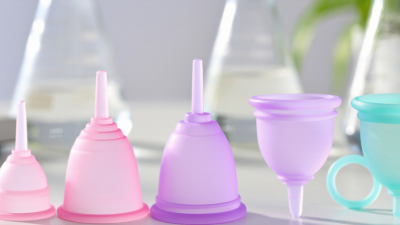
So you're shopping for an Fda Approved Menstrual Cup, right? At first, it seems pretty straightforward—until you notice product pages plastering 'FDA approved' like it's a blanket promise. Honestly, that phrase deserves a second look. FDA approval applies to specific products and specific regulatory pathways; it's not safe to assume it holds for every cup in a brand's range. So, here's the thing—when you're buying one of these, you really want to double-check the exact product name and model against the FDA's official records. Don't just skim through, either. After that, take a good look at the materials, how much it holds, its shape, and the care instructions. It might sound like a lot, but trust me, it's totally worth it in the long run.
You've probably heard of Dr. Jen Gunter—she's a gynecologist and a big name in women's health. She's the one who famously said, “The vagina is not a self-cleaning oven.” Now, she wasn't talking about menstrual cups specifically, but honestly, the point still stands. It's a good reminder to not fall for all those fancy hygiene claims that sound too good to be true. Just stick to what the manufacturer says about cleaning, you know? And fit—that's a whole other thing. A cup that feels perfectly comfortable when you're just strolling around might start to feel, well, a bit off after a few hours or if you hit the gym. So yeah, it's worth paying attention to how it feels over time, not just at first.
Alright, so we're walking through ten different options here, and honestly, you gotta ask yourself some real questions before you commit. Like, what kind of documentation actually backs up that FDA claim? Is that rim easy to grab when your fingers are all wet? And does the cup feel sturdy or kinda flimsy? You know, the little stuff really counts—but so does the evidence behind it all.
Okay, I'll be honest—there's a catch here. Those spec sheets? They can't really tell you how a cup's going to feel on your body specifically. So take any comparison as a rough guide, not a promise. And sure, FDA-approved language sounds nice, maybe a bit too nice. Just double-check the model, actually read the manual, and if something keeps bothering you, don't hesitate to talk to a doctor.
What “FDA-Approved” Means for Menstrual Cups
“FDA-approved” is a familiar phrase, but it may not describe how a menstrual cup reached the U.S. market. Many cups are reviewed through the FDA’s 510(k) pathway and are described as FDA-cleared, not FDA-approved. Clearance generally means the device was found substantially equivalent to a legally marketed device. It is not a promise that every user will find the cup comfortable or suitable.
That distinction matters. Check the specific cup’s regulatory status in FDA records, rather than relying on a vague claim on packaging or a sales page. A company’s registration or a device listing alone does not mean the FDA has cleared that product. Paperwork can confuse. Also read the instructions for use: they should explain insertion, removal, cleaning, and replacement. Look for clear material and safety information, and follow the stated wear-time limits. Fit still varies. A cup that seals well for one person may press uncomfortably for another, especially during a long day of sitting or walking. If you experience persistent pain, irritation, or difficulty removing a cup, stop using it and seek advice from a qualified healthcare professional. FDA terminology helps assess a product’s regulatory status, but it cannot predict your personal experience.
How to Verify a Menstrual Cup’s FDA Status
The phrase “Menstrual Cup Fda Approved” appears in many product searches, but “FDA approved” may not be the precise regulatory term. Menstrual cups are generally evaluated through FDA clearance pathways, such as 510(k), rather than the approval process used for some other medical devices. Check the wording carefully. It matters.
To verify a cup’s status, search the FDA’s 510(k) database using the device name, legal manufacturer, or 510(k) number shown on its packaging or official product information. Confirm that the record matches the exact device and manufacturer. A similar name is not enough. Review the listed intended use and decision details, too. If you cannot find a matching record, ask the seller or manufacturer for the clearance number and verify it independently.
FDA establishment registration or device listing alone does not mean a product has been cleared, approved, or endorsed by the FDA. That distinction is easy to miss, especially on a crowded sales page. Look for precise documentation, not just a logo or a broad claim. Records can be confusing, and names may differ slightly, so pause before drawing conclusions. If the details still do not match, seek guidance from a qualified healthcare professional or contact the FDA.
How to Verify a Menstrual Cup’s FDA Status
Use the FDA’s 510(k) database to check a specific product’s clearance claim. FDA establishment registration or device listing alone does not mean a product is FDA-cleared, and 510(k) products are described as “cleared,” not “approved.”
How to read the chart: 1 = evidence that can verify a 510(k) clearance claim; 0 = not proof of clearance. Check that the FDA record matches the exact product and applicant.
Sources: FDA 510(k) database and FDA registration and listing guidance.
Criteria for Comparing Menstrual Cups
A useful comparison starts with fit, not popularity. Check the cup’s diameter, length, and stated capacity, then compare them with your comfort and flow needs. A longer cup may sit poorly for some users; a softer cup may be harder to open. Small differences matter. If possible, review a sizing guide from a qualified health source, but remember that anatomy varies.
Compare materials, rim shape, stem design, and cleaning instructions. Look for clear labeling about material composition and intended use. Capacity figures help, yet they do not predict how often you will need to empty a cup. On a busy day, that practical detail matters. The phrase “Icare Menstrual Cup Fda Approved” should not substitute for checking a specific product’s regulatory record. In the United States, menstrual cups are generally regulated as medical devices; verify any claimed FDA status in official records. “Approved” and “cleared” are not interchangeable terms. A product page alone is not enough.
Also consider how easy the cup is to remove and clean, especially when away from home. Compare care instructions, packaging details, and access to support for fit questions. No comparison chart can promise a comfortable match. That uncertainty deserves an honest place in any buying decision.
Ten Menstrual Cups to Consider
Choosing among ten menstrual cups is easier when you compare fit, material, and care instructions rather than relying on a popularity list. A Fda Approved Menstrual Cup List can be a misleading phrase: regulatory status may involve FDA clearance, not a blanket approval of every cup. Check the current FDA device information and the manufacturer’s labeling before buying.
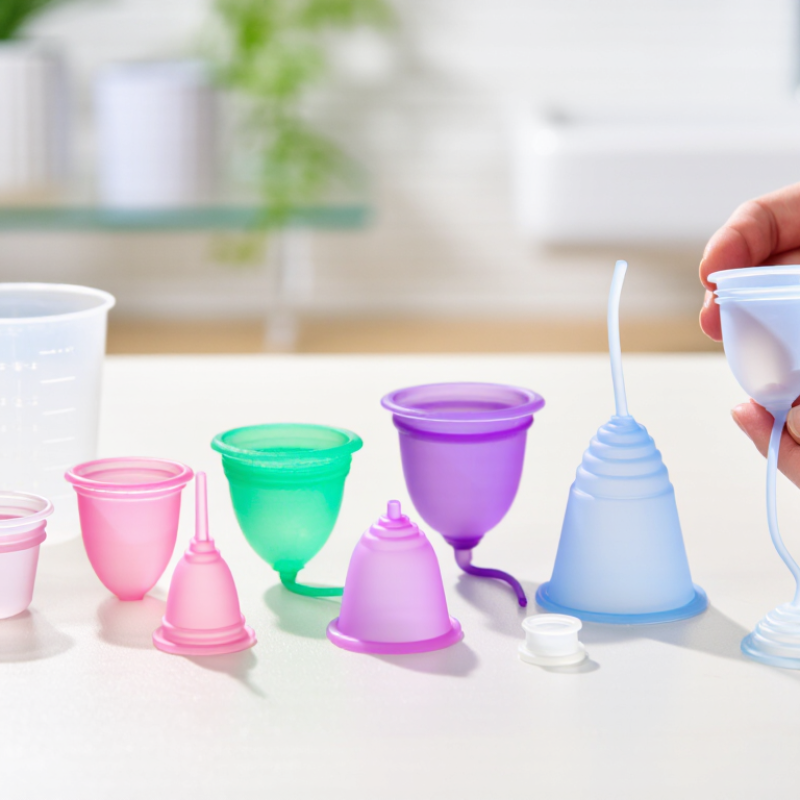
Consider cups with different lengths, firmness levels, rim shapes, and stem styles. A softer cup may feel gentler, while a firmer rim can open more easily for some users. Measure your cervix during menstruation if you can; its height may change your best fit.
Look for clear instructions on cleaning, wear time, and replacement. Small details matter. A stem that feels fine in a shop description may rub after an hour of walking. Ten options should include varied designs, not ten near-identical choices.
Check the cup for cracks or tackiness, and wash your hands before insertion and removal. If removal hurts, pause and relax rather than pulling hard.
Fit is personal, and recommendations are imperfect. Seek medical advice for persistent pain, irritation, or unusual symptoms.
How to Choose a Cup for Your Body and Flow
Choosing A Menstrual Cup starts with your body, not a “one size fits all” chart. On a light day, check your cervix height by feeling for it with a clean finger; a lower cervix may suit a shorter cup. If your cervix sits higher, a longer cup may be easier to reach. Cup firmness matters too. A softer cup can feel gentler, while a firmer rim may open more easily but press against sensitive areas. Comfort is personal.
Flow affects how often you empty a cup, but capacity alone should not decide your choice. Track your heaviest hours for a few cycles, then compare that pattern with the cup’s stated capacity. A leak does not always mean the cup is too small; it may not have opened fully or formed a seal. Learning takes practice. I would not treat one awkward first attempt as proof that a cup cannot work for you. Stop using it if you feel persistent pain, and ask a qualified clinician about ongoing symptoms or medical concerns.
Tips: Read the exact model’s instructions for insertion, removal, cleaning, and replacement. Check its current FDA status rather than relying on broad “FDA approved” wording; regulatory status applies to specific products. Trim nails, relax your pelvic muscles, and try removal in the shower if reaching the stem feels tricky. Don’t pull hard on the stem alone.
Safe Use, Cleaning, and Replacement of Menstrual Cups
The phrase “Menstrual Cups Fda Approved” can be misleading: FDA status applies to specific devices, not every cup on the market. Check the exact product’s regulatory information and follow its instructions. A 2019 systematic review in The Lancet Public Health examined 43 studies involving 3,319 participants. Reported leakage was comparable to other menstrual products in the studies that assessed it. Still, correct fit and insertion take practice; a cup should not cause persistent pain.
Wash your hands before handling the cup. Empty it at the interval specified in its instructions; flow and cup design affect timing. Rinse with clean water, and use mild, unscented soap if the instructions allow. Between cycles, follow the maker’s cleaning directions, which may include boiling. Don’t improvise with harsh cleaners. Replace a cup if it develops cracks, tears, or a lasting change in texture, and follow its stated lifespan; replacement schedules vary. The same 2019 review recorded five reported toxic shock syndrome cases across four studies, a rare but serious concern. Remove the cup and seek urgent medical care for sudden fever, rash, vomiting, or dizziness. A careful routine can feel fussy. That’s worth reflecting on: a product is only useful when its cleaning steps fit your life.
Conclusion
Choosing an Fda Approved Menstrual Cup starts with understanding what the term means and checking a product’s regulatory status through reliable, official information rather than relying on marketing language alone. This guide explains how to verify a cup’s status and compare options using practical factors such as material, shape, capacity, firmness, sizing information, and ease of use. It also introduces ten menstrual cups for readers to consider, without assuming that one design will suit everyone.
To find a cup that fits your body and menstrual flow, consider your comfort, experience, activity level, and the amount of care you are willing to provide. The guide also covers safe insertion and removal, cleaning between uses, storage, and when to replace a cup. By weighing verified product information alongside fit, usability, and hygiene, readers can make a more informed choice and use a menstrual cup with greater confidence.