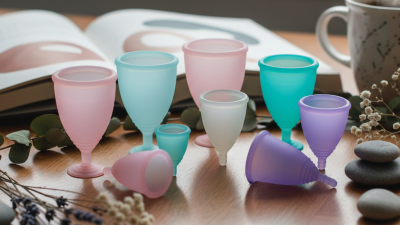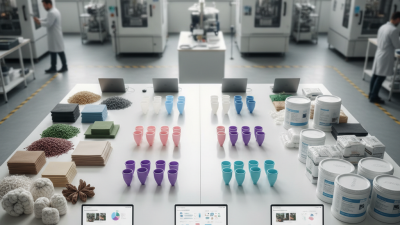
Finding a trustworthy menstrual cup supplier isn’t just about comparing prices on a busy marketplace. Sure, cost matters, but you really need to pay attention to safety, the consistency of materials, testing records, and how much experience they have in manufacturing too. Sometimes, a supplier might send you nice-looking samples, but when it comes to actual production, they could struggle with keeping things stable or providing proper documentation. That gap can end up costing you more than you bargained for.
Cherie Hoeger, who co-founded Saalt, once said, “Periods should not be a barrier to living your life,” and that pretty much sums up what you should be looking for. Your Menstrual Cup needs to be comfortable, reliable, and practical enough for daily wear. The supplier should really understand these expectations — it’s not just about copying a trendy shape.
In this guide, we’re going to walk through how you can tell if a supplier is truly capable. We’ll look at things like their claims about medical-grade silicone, the firmness options they offer, the sizes they produce, how they handle packaging, and their quality control processes. Plus, we'll talk about their production capacity, private-label services, how accurate their samples are, and how quickly they respond to inquiries. Paying attention to small details really makes a difference. Don’t be shy—ask for material certificates, request batch info, and compare samples with official specs.
Experience definitely counts. A supplier with years under their belt probably knows their way around molding flaws, finishing touches, and hygiene standards better than a newbie trying to cut costs. But, honestly, experience alone isn’t a guarantee. Some well-established factories may still have poor communication or outdated paperwork—things to watch out for.
Remember, the cheapest option isn’t always the best. The right partner is one that communicates clearly, is open to reasonable audits, and honestly works to improve when issues pop up. Keep in mind, no online profile can replace proper verification. Doing your due diligence upfront actually helps ensure good quality and builds trust with your customers in the long run.
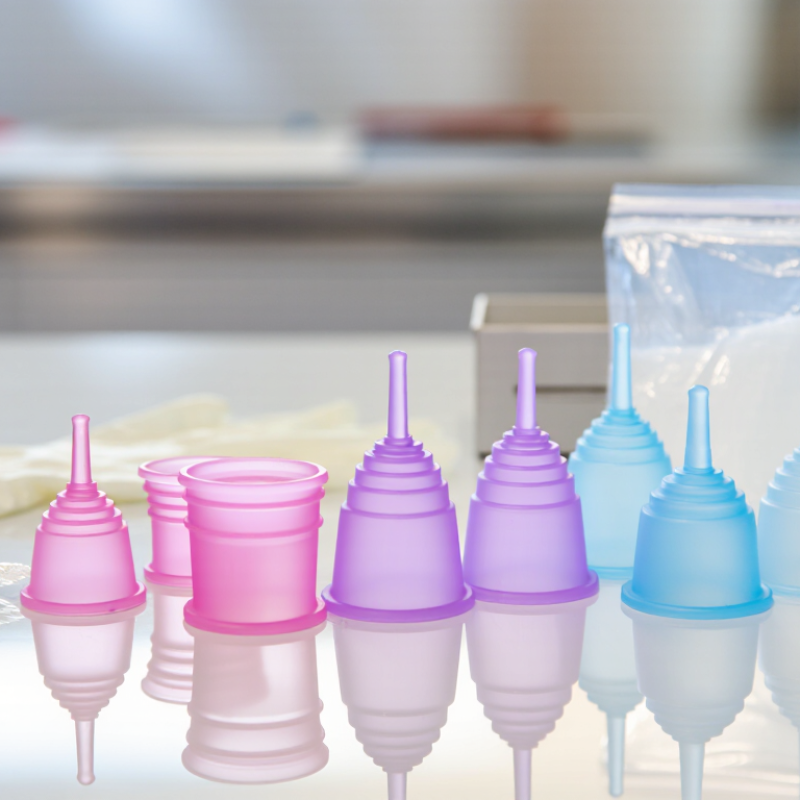
Before contacting Copa Menstrual Suppliers, write a measurable product brief. Specify silicone grade, cup diameter, length, capacity, firmness, stem design, and packaging. Record acceptable tolerances for every dimension. Ask whether each production batch has material, Biocompatibility, and microbial test reports. Request samples from different batches, not only a polished showroom sample.
UNICEF’s Guidance on Menstrual Health and Hygiene estimates that 500 million women and girls lack adequate Menstrual Hygiene facilities. This gap makes safety, comfort, and clear instructions essential. Suppliers should explain sterilization guidance, cleaning instructions, and user warnings in plain language. Check factory audits, traceability records, complaint procedures, and change-control policies. A supplier should identify the testing laboratory and report date. Vague answers deserve a written follow-up. A low quote can hide thinner packaging, unstable materials, or inconsistent molding. I have learned that “medical grade” is not a complete specification. It needs evidence. Your checklist will not be perfect, either. Review it after the first sample, especially if the rim feels sharp, the cup collapses, or the stem pulls unevenly. Compare minimum order quantities, lead times, payment terms, and replacement policies before negotiating price. Keep photos, measurements, and test documents in one dated file.
Researching China’s menstrual cup manufacturing market starts with demand, capacity, and classification—not a polished supplier profile.
Grand View Research valued the global market at USD 1.89 billion in 2023, with a projected 5.7% CAGR through 2030.
Fortune Business Insights reports a lower 2023 estimate, USD 1.46 billion, and forecasts USD 2.54 billion by 2032.
Different methods produce different numbers. Treat forecasts as direction, not proof.
China’s advantage includes concentrated tooling, silicone processing, packaging, and export experience. Yet factory counts rarely reveal real menstrual cup capacity.
Ask for current product lines, monthly output, mold records, and recent batch-test reports. Verify silicone documentation, hardness consistency, pigment safety, odor, tensile behavior, and dimensional tolerances.
ISO 13485 can support process confidence, but it does not replace product-specific verification. Request an unedited production video. Then compare samples from three batches.
Reliable sourcing also means mapping compliance before negotiation. Check destination-market rules for materials, labeling, claims, packaging, and product classification.
Use independent laboratories for extractables, heavy metals, microbiological limits, and biocompatibility where applicable.
Supplier audits should inspect mixing rooms, clean storage, mold maintenance, traceability, and complaint handling.
Price is only one variable. A low quotation may hide weak inspection or costly tooling changes.
One uncomfortable lesson: a responsive salesperson is not evidence of stable production. Ask for corrective-action records, not promises.
Research is rarely clean. Still, verify everything.
Choosing a China menstrual cup supplier requires more than comparing factory prices. The 2019 Lancet Public Health review examined 43 studies involving 3,319 participants. It found menstrual cups can be safe and practical, but product quality and user instructions remain important. Ask suppliers for documented experience with medical or intimate-care products, not only a list of export markets.
Verify certifications directly with the issuing body. ISO 13485 indicates a structured quality management system. ISO 10993 testing helps assess biological safety for materials contacting the body. Request current certificates, laboratory reports, material declarations, and production-site details. Check whether the tested silicone matches the actual silicone used in mass production. A certificate alone is not proof.
Compliance should also cover traceability and corrective action. Review batch coding, incoming-material checks, sterilization controls, complaint records, and CAPA procedures. Suppliers should explain how they isolate defective lots and investigate repeated leakage complaints. The World Health Organization’s 2022 menstrual health guidance stresses safe materials, reliable information, and user dignity. Those principles should appear in supplier documents, packaging controls, and instructions. In practice, I would sample multiple production lots before approval. A polished audit file can still hide weak process discipline. This step is easy to underestimate.
How to use this chart: When evaluating China menstrual cup suppliers, request current documentation showing alignment with relevant quality-management, biocompatibility, risk-management, and irritation-testing standards. The publication year indicates the latest edition shown for each referenced ISO standard.
Comparing product quality starts with material verification, not attractive photos. Ask suppliers for silicone specifications, testing reports, and production batch records. Medical-grade silicone should feel smooth, flexible, and free from strong chemical odors. Request samples from different batches. One sample is not enough.
Design affects comfort, leakage control, and cleaning. Examine the rim, air holes, stem, and cup thickness carefully. A firm rim may open easily, but it can feel uncomfortable for sensitive users. A softer cup may improve comfort, yet require better insertion technique. Size options should match different body needs, not follow one universal template. I have found that small design details often matter more than impressive packaging.
Customization should cover more than color. Discuss mold development, logo placement, packaging materials, instructions, and minimum order quantities. Confirm whether the supplier can control color consistency across production runs. Ask for pre-production samples and written approval records. Quality systems, factory audits, and traceable inspection procedures provide stronger evidence than sales promises. Check reports against the actual material and finished product. This step is easy to skip. It should not be. Some suppliers communicate well but struggle with consistent delivery, so review lead times, defect handling, and replacement procedures before signing an agreement.
How to Find Top China Menstrual Cup Suppliers?
Factory claims should begin with physical samples, not polished presentations. Request samples from different production batches. Check silicone softness, edge smoothness, cup thickness, odor, and stem strength. Measure dimensions against approved drawings. A slight rim distortion can affect comfort and sealing. Ask for material documentation, including silicone grade, batch records, and test results. ISO 10993 testing can help assess biological safety, but it does not replace supplier verification.
Audit the factory before placing a large order. Review molding machines, clean storage areas, inspection points, worker training, and traceability records. Watch one complete production cycle. Confirm whether rejected pieces are recorded or simply discarded. The UNICEF and WHO Joint Monitoring Programme reported that about 500 million women and girls lack adequate menstrual health management facilities. That figure underlines the need for dependable, accessible products, not only attractive packaging. Menstrual Disc Suppliers should also show capacity evidence, such as monthly output, mold numbers, inspection rates, and contingency plans.
Use an independent auditor when possible. Compare the audit report with sample results. They may not match. That is useful evidence, not an inconvenience. A factory can pass a scheduled audit while struggling during peak orders. Therefore, request pre-shipment inspections and random testing. Check elasticity, leakage performance, cleanliness, and packaging integrity. Keep retained samples from every approved batch. No audit is perfect, and buyers should document unresolved concerns instead of rushing toward the lowest quotation.
Finding reliable Period Cup Suppliers in China requires more than comparing the lowest quotation. Ask for tiered pricing at 500, 2,000, and 10,000 units. Request separate costs for the cup, storage pouch, printed box, tooling, and inspection.
A low unit price may hide expensive mold fees or different silicone grades. Confirm whether samples use the same materials and production process as bulk orders. That detail matters. Written quotations prevent uncomfortable changes later.
Minimum order quantities deserve equal attention. Some factories accept a small trial order but require larger quantities for custom colors or packaging. Ask how leftover cartons, labels, and inserts will be handled.
Packaging should protect hygiene and communicate accurate product information. Review box dimensions, sealing methods, barcode placement, and language requirements before approval.
Request a physical or digital proof. A polished mock-up does not always match the final print. Early estimates can be too optimistic.
Lead times should be divided into sample approval, tooling, production, inspection, and shipping. Get each stage in writing, including holidays and revision delays. Ask for daily production capacity and the inspection point before dispatch.
An independent inspection can check dimensions, surface defects, packaging counts, and carton damage. Build a buffer of at least two weeks when launch dates matter.
Do not pay the final balance blindly. Use clear acceptance criteria. Leave room for inspection findings and one more revision.
When comparing Copas Menstruales Suppliers, contract details matter as much as unit price. Grand View Research estimated the global menstrual cup market at USD 1.89 billion in 2023, with projected growth through 2030. Rising demand makes supplier discipline essential. Specify medical-grade silicone requirements, cup dimensions, hardness range, color limits, packaging, and lot traceability. Include approved samples as contract annexes. A low price can hide tooling, testing, or replacement costs.
Quality control should use measurable checkpoints. Request raw-material certificates, production records, and independent laboratory reports. Where relevant, ask for biological evaluation aligned with ISO 10993 principles. Define acceptable defect levels, sampling plans, and inspection rights before production begins. One practical check is simple: inspect folded cups under bright light for flashing, tears, or uneven rims. Supplier audits help, but they are not perfect. I once treated a polished sample as proof of stable production. That assumption needs challenging.
Tips: Link payment milestones to approved samples, passed inspections, and complete export documents. Confirm Incoterms, carton dimensions, pallet limits, and shipping responsibility in writing. Use humidity-resistant packaging and request drop-test evidence for long routes. Build a shipment checklist covering commercial invoices, packing lists, certificates, and destination requirements. Keep a small retained sample from every batch. It can clarify disputes months later. Allow time for port delays, document corrections, and seasonal congestion. Cheapest freight is not always the safest choice.
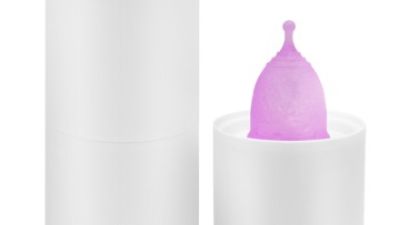
Keeping a menstrual cup or disc clean does not have to be complicated or time-consuming. The Touch Steam Sterilizer is designed to wash and sanitize these reusable products in about three minutes. Its compact size makes it convenient for bathrooms, bedrooms, travel bags, or any small storage area, while the touch control allows simple operation without complicated settings.
Before using the sterilizer, rinse the cup or disc with clean water and remove any visible residue. Place it inside the sterilizing container, add the recommended amount of water, and close the lid securely. Press the touch control to begin the steam cycle. As the water heats, the generated steam reaches the reusable product and helps reduce common microorganisms from its surface. Wait until the cycle is complete and allow the item to cool before taking it out.
The steam sterilizer is suitable for regular care before or after a menstrual cycle, helping users maintain a cleaner routine with less effort. Its straightforward design supports convenient daily use, and the high sterilization rate provides an additional level of hygiene when caring for menstrual cups and menstrual discs. Always follow the product instructions for water levels, cleaning, drying, and safe handling.
Start with demand, production capacity, and product classification. Market forecasts can differ widely. Treat them as direction, not proof.
Request current product lines, monthly output, mold records, and recent batch-test reports. Ask for an unedited production video. Factory counts alone can mislead.
Verify silicone documentation, hardness consistency, pigment safety, odor, tensile behavior, and dimensional tolerances. Confirm the tested silicone matches mass-production material.
No certification proves everything. Quality systems can support confidence, but product-specific testing remains necessary. Verify certificates with the issuing organization.
Request samples from at least three production batches. Check softness, edge smoothness, thickness, odor, and stem strength. Measure each sample against approved drawings.
Inspect mixing rooms, clean storage, molding equipment, inspection points, and mold maintenance. Review worker training, traceability, complaint handling, and corrective-action records. Watch one complete production cycle.
Consider independent testing for extractables, heavy metals, microbiological limits, and biological safety. Testing requirements depend on the destination market and product classification.
Use pre-shipment inspections and random testing. Check elasticity, leakage performance, cleanliness, and packaging integrity. Keep retained samples from every approved batch. Samples can disagree.
Compare tooling changes, inspection controls, testing, packaging, and delivery risks. A low price may hide weak quality controls. Responsive communication is not stable production. That lesson is easy to miss.
Finding reliable Menstrual Cup Suppliers in China begins with clearly defining your product requirements, including materials, sizes, shapes, colors, packaging, target market, and expected order volume. Research the manufacturing market to identify suppliers with relevant experience, stable production capacity, and a clear understanding of product safety and compliance requirements. Carefully review certifications, quality systems, communication skills, and previous export experience before comparing product designs, customization options, materials, pricing, minimum order quantities, lead times, and packaging solutions.
Before making a final decision, request samples to evaluate comfort, durability, finish, and consistency. When possible, arrange a factory audit or use an independent inspection service to verify equipment, production processes, hygiene controls, and quality management. A detailed contract should define product specifications, inspection standards, payment terms, delivery schedules, responsibilities, and procedures for handling defects. Finally, confirm shipping arrangements and maintain a practical quality-control plan to support reliable, long-term cooperation.