Lately, there's been a real spike in demand for Menstrual Cups worldwide. More women are looking for options that are not only eco-friendly but also dependable. That’s where aMenstrual Cup Factory really steps in to help meet this growing need. Experts, like Dr. Emily Carter—who's a big name in women's health—often say that the quality and design of these cups really can make or break the overall experience for users.
In China, you'll find a bunch of factories that are focused on making menstrual cups, mainly for customers around the world. These factories are pretty innovative, often pushing the envelope with new manufacturing techniques. They’re good at keeping quality high and maintaining sustainable practices, but, honestly, not all of them are on the same level. Some struggle a bit with keeping things consistent, which can make it tricky for buyers trying to figure out which factory to trust.
So, it’s super important for buyers everywhere to really understand what each Menstrual Cup Factory offers. Don’t just look at how many cups they can produce; pay attention to their design ideas, whether their materials are safe, and if they follow fair labor practices. Taking the time to do a little homework can help buyers find a trustworthy partner, especially since this market is constantly changing and growing.
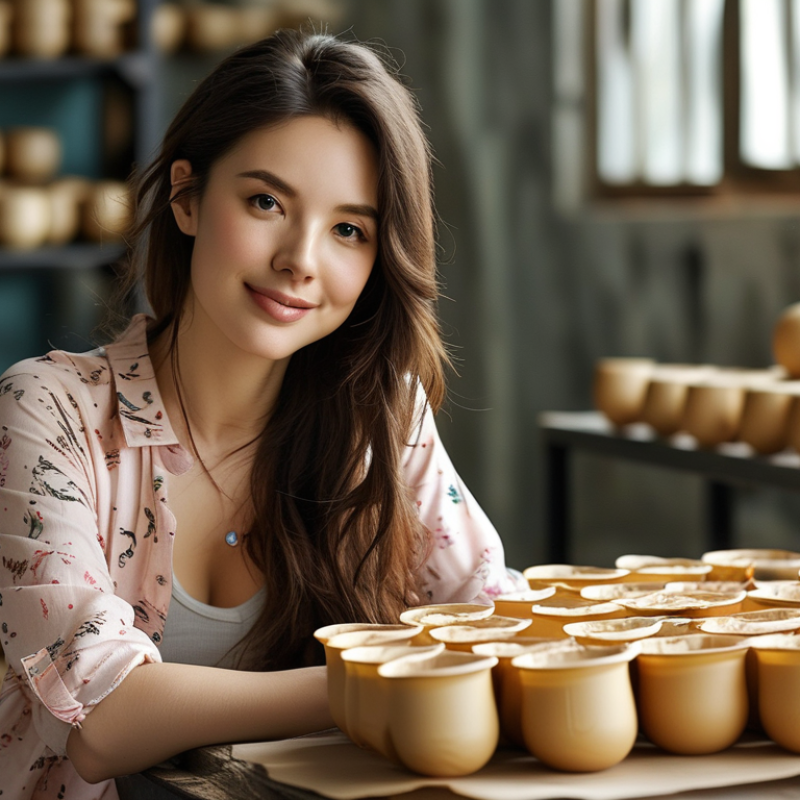
Overview of Menstrual Cups and Their Growing Popularity in China
Menstrual cups have gained significant traction in China, reflecting a shift in menstrual health awareness. These products offer a sustainable alternative to pads and tampons. As awareness grows, more women are exploring the benefits that menstrual cups bring, such as comfort and eco-friendliness. This interest has led to the emergence of various manufacturers, eager to meet the increasing demand.
The design and functionality of menstrual cups vary widely. Many buyers seek reliable sources that prioritize quality. The challenge often lies in navigating between low cost and durability. Some factories emphasize affordability, yet compromise on material safety. Reliable manufacturers ensure that their cups are made from medical-grade silicone, enhancing both safety and comfort. Factories in China are stepping up their standards but variances remain.
Quality control is crucial. It's essential to verify a factory’s reputation. Not all manufacturers are created equal. Potential buyers should conduct thorough research. Engaging with factories, like those specializing in Copa Menstrual production, offers insights into their processes and commitments. Transparent communication is key. Each step in this industry shows promise, yet also poses challenges that require careful consideration.
Criteria for Selecting Top Menstrual Cup Factories in China
When selecting menstrual cup factories in China, buyers must consider several key criteria. Quality control is vital. Look for factories with clear quality assurance processes. They should adhere to international standards. Inspect their certifications and previous client reviews. A factory's reputation can signify its reliability.
Another important factor is production capability. Assess the factory's manufacturing capacity and available technology. Efficient production lines can ensure timely delivery. Also, communication plays a crucial role. Factories should offer easy communication channels in English or other languages. This helps avoid misunderstandings during the ordering process.
Sustainability practices also matter now more than ever. Many buyers prefer factories that use eco-friendly materials. This decision reflects growing global awareness about environmental impact. Lastly, pricing should align with the market. However, be cautious of ultra-low quotes; they often signal poor quality. Balancing cost and quality can be challenging, necessitating thorough research.
Top 10 China Menstrual Cup Factories - Production Capacity
This chart displays the production capacity of the top menstrual cup factories in China. The capacities are represented in thousands of units per month.
List of Top 10 Menstrual Cup Manufacturers in China
China has become a key player in the global menstrual cup market. The demand for sustainable hygiene products is rising. Many manufacturers in China are stepping up to meet this need. These factories offer a range of options. Some focus on eco-friendly materials. Others prioritize affordability and accessibility.
The best menstrual cup factories maintain rigorous quality standards. They often follow international certifications. This ensures safety and reliability for consumers worldwide. Many factories showcase advanced manufacturing techniques. It’s important for global buyers to consider factories that invest in research and development. Not all factories may prioritize these factors equally.
Buyers should explore different partnerships. Evaluating reliability and expertise can be tricky. Some factories might not always meet expectations. Communication with manufacturers is key. Finding a trustworthy Menstrual Disc Factory can take time. Detailed research helps pinpoint the leaders in this niche market. Consider visiting the factories if possible. This can provide insight into their operations and practices.
Key Features and Innovations in Chinese Menstrual Cups
The market for menstrual cups has evolved significantly, particularly in China. Chinese manufacturers increasingly focus on key features that enhance user comfort and convenience. These cups are made from high-quality silicone, ensuring durability and safety. Many factories emphasize ergonomic designs, allowing for a better fit. This is crucial for new users who may find traditional methods uncomfortable.
Innovation is at the forefront of these products. Some menstrual cups now come with unique features like color indicators that signal when it’s time to empty them. This is helpful for those who may forget about their cycle. Additionally, some factories are adopting eco-friendly practices. They use biodegradable materials for packaging, appealing to environmentally conscious buyers.
Tips for selecting a menstrual cup include checking the size options available. Not all cups fit everyone. Assessing the firmness of the cup can also make a difference in comfort during use. Consider trying different brands to find one that meets specific needs. Researching the manufacturing processes of a Period Cup Factory can provide insight into quality and reliability. It's wise to prioritize products from factories with transparent practices, ensuring peace of mind with every purchase.
Quality Control Standards in Chinese Menstrual Cup Production
Quality control is crucial in the production of menstrual cups in China. Manufacturers often follow strict standards to ensure safety and effectiveness. This involves rigorous testing of materials used, such as medical-grade silicone, rubber, or thermoplastic elastomer. Each batch must comply with specific safety regulations before reaching consumers.
Furthermore, factories regularly conduct random inspections during the production process. These inspections not only verify material quality but also assess the manufacturing environment. Cleanliness and sanitation standards are essential to prevent contamination. Staff training programs are essential as well, focusing on proper handling and assembly techniques to maintain product integrity.
Challenges do arise within the industry. Some factories struggle with inconsistent quality due to varying material suppliers. Others face difficulties in staying updated with changing regulations and standards. Continual improvement in practices and transparency in the supply chain will be necessary. This will help address these issues while ensuring consumer safety and trust.
Export Trends and Global Market Reach of Chinese Menstrual Cups
Chinese menstrual cup manufacturers are increasingly making their mark in the global market. Over the past few years, exports of menstrual cups from China have shown significant growth. According to a recent industry report, the global menstrual cup market is projected to reach USD 1.12 billion by 2026, with a compound annual growth rate of 6.5%. This highlights the rising demand for sustainable and reusable menstrual products.
Several factors contribute to this upward trend. First, the increased awareness of menstrual health is crucial. The conversation around sustainability is growing, and many consumers prefer eco-friendly options. In China, more factories are implementing stringent quality controls to meet international standards. However, some manufacturers still struggle with consistency in product quality. This inconsistency can hinder their potential to capture larger shares of the market.
As global buyers seek reliable suppliers, transparency in production is vital. Reports suggest that buyers are increasingly looking for manufacturers that emphasize ethical labor practices. Chinese factories need to enhance their reputation by adopting certifications and improving supply chain visibility. While challenges remain, the potential for Chinese manufacturers to expand their influence in the menstrual cup market is promising, provided they address these critical concerns.
Considerations for International Buyers When Sourcing from China
When sourcing menstrual cups from China, international buyers should focus on key considerations. The global menstrual cup market is projected to grow at a CAGR of 6.4% from 2021 to 2028, reaching over $1 billion by 2028. This rising demand emphasizes the need to identify reputable manufacturers. Various factors can influence buyers' choices, including product quality, certifications, and customization options.
Quality assurance remains critical. Verify if the Copas Menstruales Factory follows international standards such as ISO 13485 for medical devices. Many factories may claim compliance, yet not all have verified records. Thoroughly research potential partners' past performance to avoid issues.
Product safety is paramount. Ensure materials used in manufacturing are reliable and skin-friendly. Ensure factories can provide Material Safety Data Sheets (MSDS) to confirm the safety of their products. Other considerations include lead times, payment terms, and shipping options. Understanding these can help avoid unnecessary delays.
Communication is essential. Language barriers can lead to misunderstandings, affecting product quality. Consider using sourcing agents who have expertise in the industry to bridge these gaps. Networking at industry trade shows can offer insights into manufacturers’ reputations, fostering more informed decisions.
FAQS
: There is a rising demand for sustainable hygiene products in China, boosting the market.
Manufacturers follow strict quality control standards, conducting rigorous testing and inspections of materials used.
Common materials include medical-grade silicone, rubber, and thermoplastic elastomer for safety and effectiveness.
Factories may deal with inconsistent quality and difficulties keeping up with changing regulations and standards.
Buyers should verify certifications, quality assurance, and past performance to make informed choices.
Language barriers can create misunderstandings that affect product quality and partnership effectiveness.
Ensure materials are reliable and skin-friendly. Require Material Safety Data Sheets for safety confirmation.
Networking at industry trade shows can provide valuable insights and help find reputable manufacturers.
Yes, visiting factories can offer insight into operations, ensuring the manufacturer meets quality expectations.
Understanding lead times, payment terms, and shipping options is crucial to avoid delays in product delivery.
Conclusion
The article titled "Top 10 China Menstrual Cup Factories for Global Buyers" delves into the rising popularity of menstrual cups in China and the factors influencing their production. It outlines essential criteria for selecting a reliable Menstrual Cup Factory, emphasizing quality, innovation, and compliance with industry standards. The list of the top 10 manufacturers highlights their unique features, technological advancements, and commitment to quality control, ensuring that buyers can find reputable sourcing options.
Furthermore, the article discusses export trends and the global market reach of Chinese menstrual cups, identifying considerations that international buyers should keep in mind when sourcing products from China. With the increasing demand for sustainable menstrual products, understanding these dynamics is crucial for buyers looking to collaborate with a Menstrual Cup Factory that meets their quality and ethical standards.