Lately, it’s pretty clear that more and more people are looking for sustainable options when it comes to period products. And, honestly, period cups are really gaining popularity. I came across a recent report from Grand View Research, and it looks like the Menstrual Cup market is expected to grow at around 6.5% annually from 2021 to 2028. That totally makes sense, given how much more folks are becoming aware of eco-friendly choices these days.
If you’re curious, Period Cup Suppliers are really leading the charge in this space. Big brands like DivaCup and Lunette are coming out with some pretty innovative designs, trying to cater to different needs and preferences. Plus, they’re reusable and better for the planet, which is a win-win. Of course, not every user finds the perfect fit right away—some might find certain brands a bit uncomfortable at first—so it’s worth trying out a few options to see what works best for you.
Another thing to keep in mind is transparency. These days, people really want brands that are honest about their sustainability efforts and ethical sourcing. Trust plays a huge role when you're choosing a product like this. So, companies that are open about their practices tend to do better in the long run. The market’s definitely growing, which is exciting, but it also means suppliers need to stay on top of their game and keep improving their products and practices.
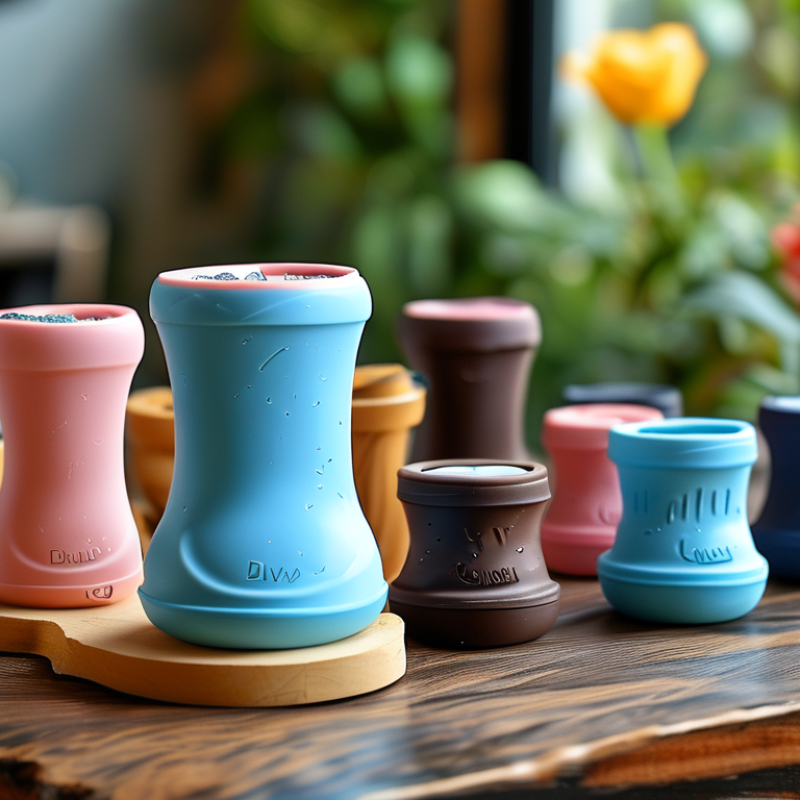
Top Global Trends in Menstrual Cup Adoption Among Consumers
The adoption of menstrual cups is on the rise globally. More consumers are turning toward eco-friendly products. This shift highlights a growing awareness of environmental issues. Menstrual cups reduce waste compared to traditional products. Many individuals seek sustainable options for personal hygiene.
However, challenges remain. For instance, some users report discomfort during use. This can deter first-time adopters. Education on proper use is essential. Misunderstandings about size and fit can lead to negative experiences. Clear guidance can help mitigate these issues.
Cultural perceptions also play a role. In some regions, menstrual cups are still viewed with skepticism. Increasing access to reliable information can change these attitudes. As more people share their positive experiences, acceptance may grow. The market for menstrual cups is evolving, but there is still room for improvement.
Key Factors Driving the Growth of the Menstrual Cup Market
The menstrual cup market is thriving, driven by increasing awareness of sustainable alternatives. Many consumers are shifting from traditional products to menstrual cups. These eco-friendly options reduce waste and offer significant savings over time. The growth of Menstrual Cup Suppliers is fueled by this changing mindset.
Education plays a crucial role in this shift. As more people learn about menstrual health, demand rises. Campaigns that normalize conversations around menstruation further encourage this trend. Additionally, innovations in design, comfort, and materials attract new users. Menstrual cups can last for years, appealing to eco-conscious buyers.
However, challenges remain. Some consumers face a learning curve in using menstrual cups. Sizing and insertion can be tricky, leading to frustration. Misconceptions about their safety and effectiveness persist. For suppliers, addressing these concerns is vital for expanding market reach. They must provide clear guidance on usage and offer personalized support. As the market evolves, continuous improvement will enhance user experience and drive further growth.
Top 10 Period Cup Suppliers for Global Buyers
Overview of Leading Menstrual Cup Suppliers Worldwide
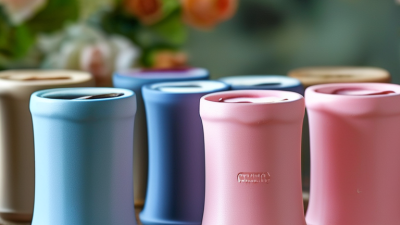
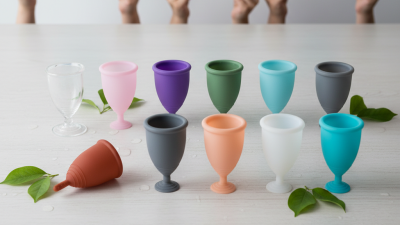
The market for menstrual cups has grown substantially, attracting many suppliers worldwide. These suppliers offer various designs, materials, and sizes to suit diverse needs. Many leading companies emphasize sustainable manufacturing practices, catering to environmentally conscious consumers. Each supplier has unique strengths, whether in product variety, customization, or customer service.
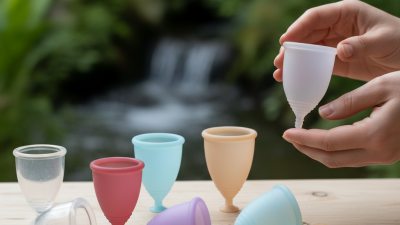
Choosing A Menstrual Cup can be overwhelming. Not all cups are created equal. Consider your flow, lifestyle, and comfort when selecting. Some cups have softer silicone that feels gentle yet secure, while others are firmer for easier insertion. Ensure you read reviews and check sizes carefully.
When exploring suppliers, reliability is crucial. Look for companies with transparent practices. This includes clear information about materials and manufacturing standards. A trustworthy supplier will also provide comprehensive customer support. Don't hesitate to reach out with questions. Engaging with brands can enhance your purchasing experience and address any concerns.
Market Share Analysis of Top Menstrual Cup Brands
The menstrual cup market has experienced robust growth over recent years. Consumers are becoming increasingly aware of sustainable and healthier options. It is essential to understand the market share of various menstrual cup brands. This awareness plays a critical role in informed purchasing decisions.
Brand reputation significantly impacts consumer trust. Many brands emphasize quality, comfort, and safety. Market analysis shows varied preferences among users regarding size, material, and design. Some brands stand out for their innovative features, while others focus on eco-friendliness. Users often seek a cup that matches their unique needs. Brand engagement with customers also shapes loyalty. Feedback on usability and effectiveness reflects real experiences.
Occasionally, brands may fail to meet expectations. Users might report issues with leakage or comfort. Recognizing these imperfections is vital in the decision-making process. Continuous improvement based on user feedback can enhance overall satisfaction. By analyzing market share and consumer preferences, buyers gain insights, ultimately leading to better choices.
Innovations in Menstrual Cup Design and Technology
Innovations in menstrual cup design have reshaped the menstruation experience. Recent data shows that approximately 40% of menstruators prefer reusable cups over traditional products. This shift highlights the need for advancements in materials and design. Companies are now focusing on silicone and latex-free options to accommodate various sensitivities. Improved ergonomics is also a key focus, with contoured shapes for better fit.
Another exciting trend is the integration of smart technology. Some menstrual cups now feature sensors that track flow and provide insights via apps. According to a recent market study, over 25% of users reported that such technology enhanced their understanding of menstrual health. While many celebrate these innovations, they also spark debates about accessibility. High-tech products may alienate those with limited resources.
It's essential to recognize that not all designs cater to every body type. Some users still face discomfort with various shapes or sizes. Feedback from user communities highlights the need for continued dialogue among Copa Menstrual Suppliers. The industry must prioritize inclusivity to ensure that every person can find a suitable option. Adjustments based on real user experiences will drive future developments.
Sustainability Practices in Menstrual Cup Manufacturing
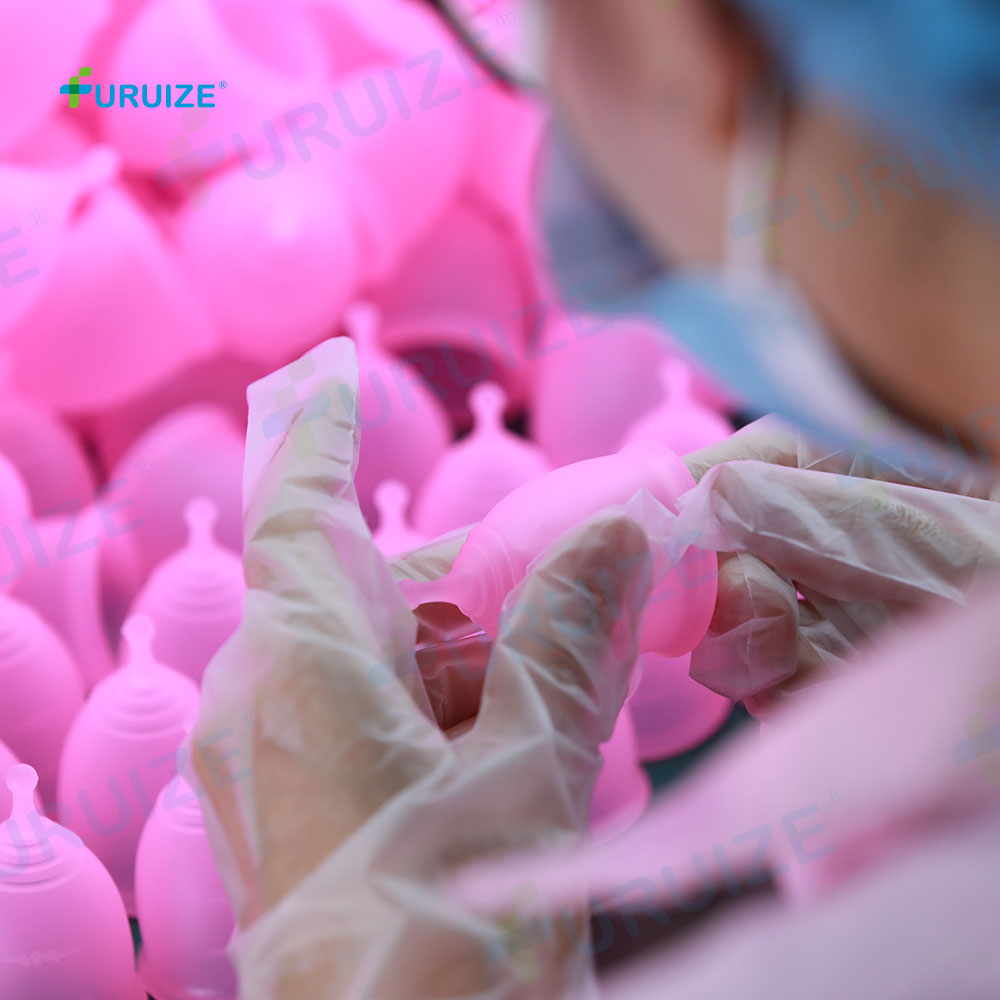
Sustainability practices in menstrual cup manufacturing are crucial for global buyers. Many suppliers prioritize eco-friendly materials. Sustainable options include medical-grade silicone, rubber, and biodegradable substances. These materials are not only safe but also reduce environmental impact. The entire lifecycle of a menstrual cup should be considered, from production to disposal.
A significant concern is waste management. While menstrual cups are reusable, some manufacturers still rely on single-use products. This can contradict the principles of sustainability. Education on proper disposal methods can make a significant difference. Some suppliers are now focusing on recycling programs. They aim to ensure that old cups do not end up in landfills.
Transparency in sourcing is vital. Many consumers desire to know where materials come from. Ethical supply chains should be a priority. Unfortunately, not all Menstrual Disc Suppliers embrace this practice. It’s essential for buyers to investigate suppliers’ commitments. Reviews and certifications provide insights into sustainability levels. Engaging with suppliers can lead to better practices in the industry.
Regulatory Standards Impacting Menstrual Cup Production and Sales
Regulatory standards play a crucial role in the production and sale of menstrual cups. These standards ensure safety and quality, impacting suppliers globally. The European Union has established the Medical Device Regulation (MDR), which classifies menstrual cups as Class I medical devices. Similar regulations exist in several countries, dictating not just materials but also testing and labeling.
A 2022 report by Global Market Insights states that the menstrual cup market is projected to grow by over 6% annually through 2026. This growth stems from increasing awareness of sustainability and hygiene. Yet, suppliers must navigate varied regulatory landscapes which can slow market entry. For instance, in the United States, manufacturers must comply with FDA guidelines. This can lead to delays and increased costs for Copas Menstruales Suppliers.
Despite challenges, many companies are adapting by investing in research and development. Innovations are crucial in meeting consumer needs while complying with regulations. Some suppliers focus on biodegradable materials to align with environmental standards. However, inconsistent regulations can complicate this process, leaving suppliers to constantly evaluate their compliance strategies. The rules are evolving, and suppliers must be proactive to succeed.
Top 10 Period Cup Suppliers for Global Buyers
| Supplier Type | Production Location | Monthly Production Capacity | Regulatory Compliance | Pricing (USD) |
| Manufacturers | China | 100,000 units | ISO 13485 | $1.50 |
| Wholesale Suppliers | India | 50,000 units | FDA Approved | $2.00 |
| Distributors | USA | 30,000 units | CE Mark | $2.50 |
| Online Retailers | Germany | 70,000 units | ISO 9001 | $3.00 |
| Private Label | Brazil | 20,000 units | ANVISA | $4.00 |
| OEM Suppliers | Vietnam | 60,000 units | TGA | $2.75 |
| Eco-friendly Suppliers | Australia | 15,000 units | Compostable Standards | $5.00 |
| Custom Design | Argentina | 40,000 units | Health Canada | $3.50 |
| Subscription Services | UK | 25,000 units | BSI Kitemark | $4.50 |
| Health Organizations | Global | 10,000 units | WHO Standards | $6.00 |
Optimal Ways to Store Your Menstrual Cup: Exploring Stylish Bags with Customizable Designs
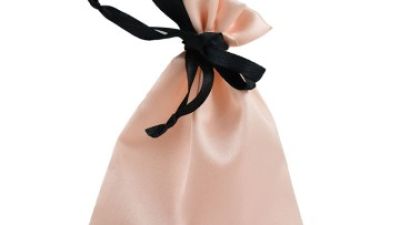
When it comes to managing menstrual health, having a reliable and hygienic storage solution for menstrual cups or discs is essential. The Menstrual Cup/Disc Storage Bag is designed with both functionality and style in mind, making it an excellent choice for anyone looking to carry their menstrual products discreetly. These bags prioritize hygiene, ensuring that your menstrual cup remains clean and ready for use whenever you need it.
What sets these storage bags apart is their customizable designs, allowing you to express your personal style while maintaining practicality. Whether you prefer vibrant colors, subtle patterns, or unique artwork, there's a design that fits your aesthetic. This way, your storage solution doesn't just serve a purpose but also adds a touch of personality to your health routine. Furthermore, the compact size of the bag makes it easy to slip into your purse or backpack, enabling you to stay prepared on the go.
Choosing a menstrual cup or disc storage bag is more than just about convenience; it's about embracing a sustainable lifestyle that prioritizes your health and the environment. With these stylish and practical bags, you can ensure that your menstrual products are kept safe and hygienic, all while showcasing your individuality. As you explore the various options available, consider how these bags can elevate your menstrual management experience.
FAQS
: Many consumers prefer eco-friendly products, reducing waste and supporting sustainability.
Some experience discomfort, size misconceptions, and difficulty in insertion and removal.
Clear guidance and information help users understand proper techniques and reduce misunderstandings.
Skepticism in some regions can hinder adoption. Sharing positive experiences may change perceptions.
Various standards ensure safety. Different regions have specific guidelines for materials and labeling.
New designs improve comfort and usability, attracting more users and enhancing market growth.
Yes, some believe they are unsafe or ineffective, which can discourage potential users.
They offer significant cost savings and last for years, appealing to eco-conscious buyers.
They should provide personalized support, clear usage instructions, and invest in consumer education.
The market will likely grow, but suppliers must adapt to evolving regulations and consumer needs.
Conclusion
The article "Top 10 Period Cup Suppliers for Global Buyers?" explores significant trends in menstrual cup adoption, highlighting key factors that drive the growth of this market. With a growing awareness of sustainability and health, consumers are increasingly turning to menstrual cups as a viable alternative to traditional sanitary products. The article provides an overview of leading period cup suppliers worldwide, offering insights into market share analysis for top brands, which illustrates the competitive landscape of this sector.
Furthermore, innovations in menstrual cup design and technology are discussed, showcasing how advancements are enhancing user experience and product functionality. Additionally, the article delves into sustainability practices in manufacturing, emphasizing the importance of eco-friendly production methods. It also addresses regulatory standards that impact the production and sale of menstrual cups, ensuring that suppliers adhere to safety and quality guidelines. Overall, this comprehensive analysis serves as a valuable resource for global buyers seeking reliable period cup suppliers.