When you're sourcing Menstrual Cups for international markets, it's not just about comparing prices. You've also got to think about comfort, safety, reliable supply, and how well customers are educated. A cup that's a hit in one region can totally flop somewhere else. Body shape, flow level, climate, and personal experience all shape whether people actually like the product.
Dr. Jen Gunter, an obstetrician-gynecologist and women's health author, puts it well: “There is no one right way to manage menstruation.” And honestly, that idea should sit behind every buying decision. So a responsible buyer needs to look at silicone quality, cup firmness, capacity, rim design, stem length, and the sizes available. Fit really matters. Instructions should walk users through insertion, removal, cleaning, storage, and when they should talk to a doctor. For global customers, clear language isn't optional.
These seven Menstrual Cup buying tips also dig into supplier audits, sample testing, packaging accuracy, minimum order quantities, and after-sales support. If you're checking out the Tulip Cup Menstrual Cup, for instance, ask the manufacturer for material documentation, batch information, leak-test results, and delivery terms that are actually realistic. Ruby Cup is a good example of how product design can connect with menstrual health education, but no brand should get a pass just because it has a good reputation. The details are what matter.
Here's an uncomfortable truth, too: the cheapest quote can end up costing more later. Poor sizing guidance leads to returns, bad reviews, and uncomfortable users. Even seasoned buyers can miss cultural preferences or regional purchasing habits. A careful comparison takes longer, sure—but it builds much stronger trust. That's what this guide is for: practical questions for global buyers who want dependable products, honest communication, and better outcomes for users.
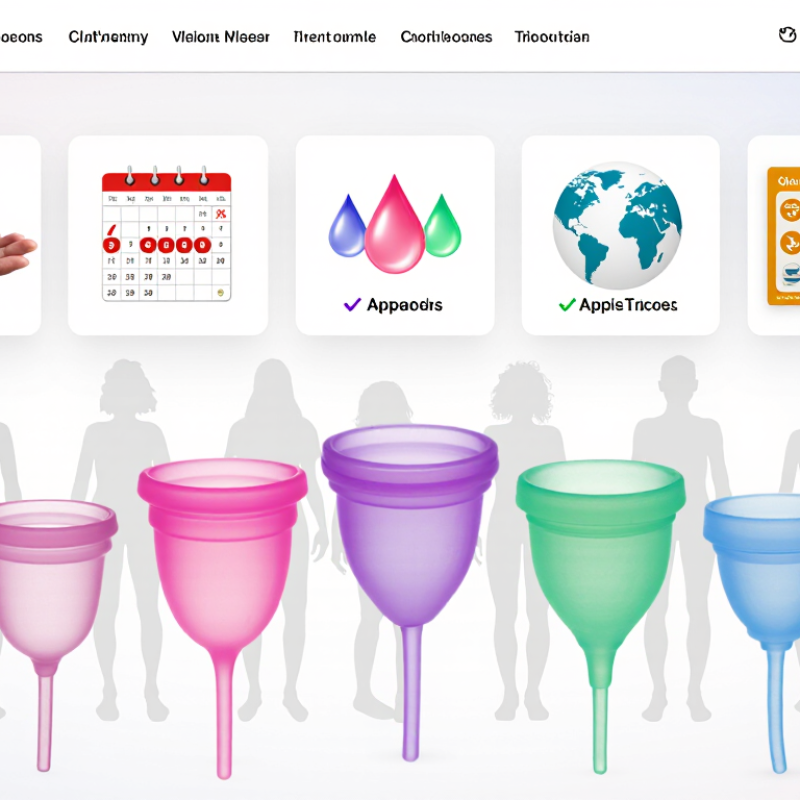
Define Your Menstrual Cup Needs and Buying Goals
Define Your Menstrual Cup Needs and Buying Goals
A reliable purchase begins with a clear user profile. Are you serving first-time users, teenagers, travelers, or experienced users? Record expected age ranges, cervix-height differences, flow levels, and comfort concerns. Size alone is not enough. Measure diameter, length, firmness, stem design, and capacity before comparing suppliers.
Set practical buying goals before requesting samples. A retail buyer may prioritize packaging, education, and repeat purchase potential. A healthcare distributor may need traceable materials, user instructions, and consistent batch testing. Ask for medical-grade silicone documentation, Biocompatibility evidence, dimensional tolerances, and sterilization guidance. Check whether testing supports the destination market’s requirements. A certificate without a test scope proves little.
Independent evidence can improve judgment. A 2019 Lancet Public Health systematic review examined 43 studies involving 3,319 participants. It found menstrual cups offered similar leakage protection to disposable products in several comparisons. About 70% of users said they would continue using them. However, the review also noted limited evidence quality and learning challenges. That matters. A buyer should not promise effortless use. Request samples, test removal with wet hands, inspect air holes, and record cleaning time. Small details often decide satisfaction. My earlier assumption was simple: higher capacity meant better value. It was incomplete. Comfort, instructions, and fit may matter more than capacity alone.
Choose the Right Cup Size, Shape, and Firmness
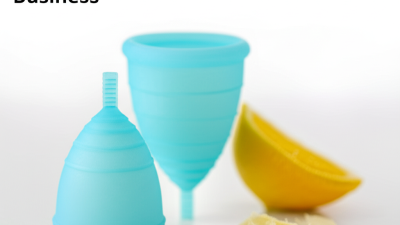
Choosing the right menstrual cup begins with fit, not appearance. Cup sizes are not universal, and a larger label does not always mean better protection. Measure your cervix during menstruation, when it may sit lower. A low cervix often suits a shorter cup. A higher cervix may need a longer body or stem. Flow also matters, but capacity should not replace comfort.
Shape affects movement and sealing. A rounded cup can feel stable for some users, while a slimmer design may suit a narrow vaginal canal. Firmness is equally important. A softer cup may feel gentler, especially for beginners or people sensitive to pressure. A firmer cup usually opens more easily and may work better for stronger pelvic floor muscles or active movement. However, firmness can create noticeable bladder pressure. I learned this through trial and error.
Do not confuse bra sizing with menstrual cup sizing. A G Cup Menstrual Cup is not automatically suitable for someone wearing a G-size bra. Compare diameter, length, capacity, and material firmness instead. Read the measurement chart carefully, because terms like “small” and “large” vary between manufacturers. Check whether the stem can be trimmed safely, and never cut the cup body. If the cup leaks, reassess its position, opening, and seal before changing size. Persistent pain, irritation, or unusual symptoms deserve advice from a qualified healthcare professional.
Check Materials, Safety Standards, and Product Quality
Global buyers should evaluate a menstrual cup through materials, safety evidence, and manufacturing quality. Material choice affects comfort, durability, and allergy risk. Medical-grade silicone is widely used, while TPE and natural rubber require closer checking. Latex can trigger reactions. Ask for the full material composition, not only “soft” or “premium.” For a listing such as Silky Cup Menstrual Cup, verify that the description matches the package and test documents.
Safety standards differ between markets, so buyers should check the requirements in their destination country. Look for documented Biocompatibility Testing, such as relevant ISO 10993 evaluations, when available. A certificate alone is not proof of overall safety. Confirm the testing laboratory, report date, product model, and tested material. Missing details deserve questions. Read the fine print.
Product quality appears in small physical details. The rim should feel smooth, without sharp flashing or uneven seams. The stem should attach firmly and have no cracks. Check capacity, diameter, firmness, cleaning instructions, and storage guidance before ordering. Sealed packaging, batch identification, and traceable manufacturer information improve accountability. Strong odors may signal poor processing, although smell alone cannot confirm a safety problem. I would not judge quality from photographs only. A polished image can hide inconsistent molding. Ask for clear photos and independent documentation before placing a large order.
Evaluate Capacity, Comfort, and Leak Protection
When global buyers assess a Soft Cup Menstrual Cup, capacity should match real flow, not marketing promises. A 20–30 ml cup may suit lighter days, while heavier flow can require more frequent emptying. Measure your routine honestly. Track overflow, changing times, and comfort across two cycles. Period volume varies, so one test day proves little. Check usable capacity, not only total volume. Clear measurements and material details support more reliable purchasing decisions.
Comfort depends on diameter, length, firmness, and personal anatomy. A cup that feels soft in the hand may still press against the bladder. A firmer model may open more reliably, yet feel noticeable during movement. Consider cervix position throughout the cycle, not only on day one. The stem should be reachable without sharp edges or pulling. Look for clearly identified, body-safe materials and detailed instructions. Independent testing helps when its scope and date are visible.
Leak protection needs more than a tight seal. Wash your hands, fold the cup correctly, and allow it to open fully. Rotate it gently if needed. Run a clean finger around the rim. Small leaks may result from positioning, overflow, or early insertion. They are clues, not failure. I would not promise “leak-proof” results; bodies and sizing differ. Review cleaning guidance, return terms, and regional safety requirements before purchasing. A practical choice balances capacity, comfort, and protection rather than chasing the largest cup.
Compare Brands, Prices, and Customization Options
7 Menstrual Cup Buying Tips for Global Buyers?
Global buyers should compare more than the quoted unit price. Review silicone quality, firmness, capacity, stem design, and available sizes. A soft cup may suit beginners, while a firmer model can open more easily. Ask for material documentation and independent safety test reports. Do not rely on vague claims such as “medical grade” without supporting evidence. Product consistency matters too. Request samples from different production batches before placing a large order.
Price comparisons should include tooling, packaging, inspection, freight, duties, and payment fees. A low factory price can become expensive after customization. Check the minimum order quantity and lead time carefully. Small color changes may require a new mold or higher production volume. Private packaging, printed instructions, barcode labels, and multilingual inserts also affect the final cost. Keep every specification in a written quotation.
Customization can strengthen market positioning, but too many options create delays. Select practical colors, clear size markings, and packaging that protects the cup from dust and deformation. Ask whether the supplier supports sample approval before mass production. I once underestimated packaging changes; the revised artwork delayed the shipment. That mistake was avoidable. Buyers should also confirm destination-market requirements, labeling rules, and import documents with qualified local professionals. A reliable supplier welcomes questions, shares production details, and explains what cannot be changed.
Verify Global Shipping, Certifications, and Import Rules
7 Menstrual Cup Buying Tips for Global Buyers
Verify whether the supplier ships directly to your destination country. Ask for the carrier, tracking method, delivery estimate, and return procedure. A low product price can change after freight, duties, brokerage fees, or storage charges. Request a complete landed-cost quotation in writing.
Check certificates and test reports carefully. They should match the exact material, size, and production site you plan to buy from. Useful records may include biocompatibility testing, material analysis, quality-management evidence, and hygiene controls. A certificate logo alone proves little. Ask when the document was issued and which laboratory performed the testing.
Review your country’s import rules before placing a large order. Menstrual cups may receive different medical-device classifications in different markets. Confirm the correct HS code, required product registration, labeling language, packaging information, and customs documents with the relevant authority or a licensed customs broker. Do not rely only on a supplier’s statement. Rules can change, and I have seen buyers overlook local-language warnings or importer details. Request a pre-shipment sample, inspect the seal, storage pouch, instructions, and batch markings, then record any defects. Agree on inspection standards, replacement terms, and document responsibilities before payment. These checks feel slow, but one missing document can delay an entire shipment.
7 Menstrual Cup Buying Tips for Global Buyers: Verify Global Shipping, Certifications, and Import Rules
Important: Import duties, taxes, product classifications, labeling obligations, and certification requirements depend on the destination country and can change. Confirm current requirements with the relevant customs, health, consumer-protection, or standards authority before placing a commercial order.
Review Care Instructions, Packaging, and Supplier Support
7 Menstrual Cup Buying Tips for Global Buyers?
Care instructions, packaging, and supplier support often reveal more than attractive product photos. The 2019 Lancet Public Health systematic review examined 43 studies involving 3,319 users. It found menstrual cups offered comparable leakage protection to disposable products, with no increased infection risk when used correctly. However, correct use depends on clear guidance.
Look for instructions covering handwashing, insertion, removal, rinsing, and sterilisation. Many suppliers recommend boiling the cup for five to ten minutes, but buyers should follow the validated product instructions. Packaging should state the medical-grade material, size, capacity, lot number, production date, and storage advice. A breathable pouch is more practical than a sealed plastic sleeve after cleaning. Small details matter.
Ask suppliers for material declarations, safety testing, inspection records, and controlled artwork files. Support should include quick answers, multilingual manuals, and replacement guidance for damaged units. A Safe Cup Menstrual Cup without readable care information is not truly buyer-ready. The box may look excellent. The instructions may still fail.
Suppliers should explain how they manage formula, mould, and packaging changes. Request samples from the final production line, not only showroom stock. UNICEF’s menstrual health guidance emphasises safety, dignity, and usable information, yet many product pages remain vague. I would not rely on a certificate alone. Real reliability appears when a supplier answers practical questions clearly, before the order is placed.
7 Menstrual Cup Buying Tips for Global Buyers
Compare the number of practical verification points buyers should review for care instructions, packaging, product specifications, and supplier support before placing an order.
The highest-priority checks cover care instructions, packaging information, product specifications, and supplier support. Buyers should request written evidence and confirm that requirements match the destination market before purchasing.
Menstrual Disc Market Trends & Storage Hygiene: Period DiscCase 1.0 | Grand View Research & Fortune Business Insights
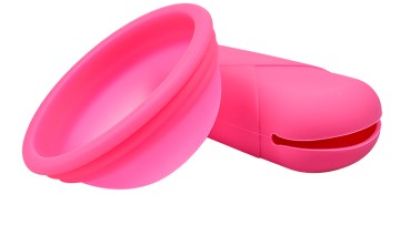
As menstrual discs become more popular, consumers are paying closer attention to storage hygiene, portability, and everyday convenience. A reusable disc should be cleaned according to its care instructions, dried completely, and protected from dust between uses. Proper storage can help maintain the disc’s condition while making period care more organized at home, during travel, or at work. Compact storage solutions are therefore becoming an important part of the menstrual disc experience.
DiscCase is a portable menstrual disc storage box made from soft, durable silicone. Its smooth material and practical shape make it easy to carry in a personal bag without taking up much space. The case offers a dedicated place for a clean, dry disc and helps keep it separate from other belongings. Its attractive design also brings a simple, discreet touch to personal care routines. For best hygiene, users should wash and fully dry the disc before placing it inside, clean the case regularly, and follow the product’s care guidance.
FAQS
Measure your cervix during menstruation. A low cervix often suits a shorter cup. A higher cervix may need more length. Compare diameter, length, capacity, and firmness. Do not trust “small” or “large” alone.
Flow affects capacity, but comfort remains important. A 20–30 ml cup may suit lighter days. Heavier flow may require more frequent emptying. Track changing times across two cycles. One test day proves little.
A soft cup may feel gentler for beginners or pressure-sensitive users. A firmer cup often opens more easily during active movement. However, firmness can create bladder pressure. I learned this through trial and error.
No. Bra measurements do not determine menstrual cup sizing. Check the cup’s actual diameter, length, capacity, and firmness. Labels vary widely.
Request the complete material composition. Medical-grade silicone is widely used. TPE and natural rubber require closer checking. Latex may trigger allergic reactions. “Premium” is not a material specification.
Inspect the rim for smoothness, even seams, and sharp edges. The stem should attach firmly without cracks. Check sealed packaging and batch identification. Photographs can hide molding problems. Ask for clear images and test documents.
Request biocompatibility evidence, such as relevant ISO 10993 evaluations, when available. Check the laboratory, report date, product model, and tested material. A certificate alone does not prove complete safety. Read the fine print.
Leaks may result from incorrect positioning, incomplete opening, or overflow. Wash your hands, fold the cup, and let it open fully. Rotate it gently if needed. Run a clean finger around the rim. Small leaks are clues, not failure.
Balance capacity, diameter, length, firmness, and personal anatomy. A cup can feel soft yet press against the bladder. The stem should remain reachable without sharp edges. Persistent pain, irritation, or unusual symptoms need professional medical advice.
Conclusion
Buying the right Menstrual Cup starts with clearly defining your needs, including flow level, daily activities, comfort preferences, and purchasing goals. Compare different sizes, shapes, and firmness levels to find a design that fits your body and lifestyle. Pay close attention to material safety, production quality, capacity, flexibility, and leak protection. A reliable product should be made from suitable body-safe materials and supported by clear quality information and applicable safety standards.
Global buyers should also compare prices, customization choices, packaging, and supplier communication before placing an order. Confirm shipping arrangements, required certifications, labeling details, and import rules for the destination market. Finally, review cleaning and storage instructions, product lifespan guidance, packaging protection, and after-sales support. A careful evaluation of these factors can help buyers choose a comfortable, dependable, and practical Menstrual Cup while reducing purchasing risks and improving the overall customer experience.