Leave Your Message
Picking the right Period Cup manufacturer isn’t just about chasing the lowest prices or getting excited over pretty product photos. For buyers around the globe, it’s really about digging a little deeper—looking into everything from material safety and consistent manufacturing quality to private-label options and solid quality controls. A trustworthy supplier should be open about what’s inside their silicone or TPE formulations, how they mold their products, their packaging standards, and how they inspect each batch. Don’t forget, sampling is key too! The perfect cup will have a smooth rim, keep its shape well, feature a flexible stem, and be finished nicely without weird seams or smells.
In this guide, I’m reviewing some of the major players—like Saalt, Intimina, Lena, and MeLuna. But honestly, what’s considered “top” depends a lot on your specific market and business model. Some brands focus on high-end retail, while others are more about OEM production—offering custom colors, branded packaging, or handling big-volume orders. Before you go ahead and sign on the dotted line, it’s smart to ask for up-to-date certifications, lab reports, factory details, and traceability records. And since rules can differ from country to country, an independent check is always a good idea.
Now, let’s be real: no ranking or overview can cover everything perfectly. When you start digging into actual sourcing, you’ll probably notice small gaps. For instance, a supplier might send you awesome samples but take forever to reply to emails. Or maybe their prices are competitive, but they have limited options for packaging customization. These little practical differences can really impact your launch timelines and overall customer trust.
That’s why I’ve put together this overview—with a focus on product quality, manufacturing experience, order capacity, communication, compliance, and after-sales support. It’s meant to help distributors, retailers, and healthcare businesses ask smarter questions before settling on a long-term partner for Period Cups. Yes, doing all this homework might take more time upfront, but trust me, cutting corners later on costs way more when you’re trying to replace unreliable stock.
Period Cup Manufacturing: Materials, Designs, and Production Standards
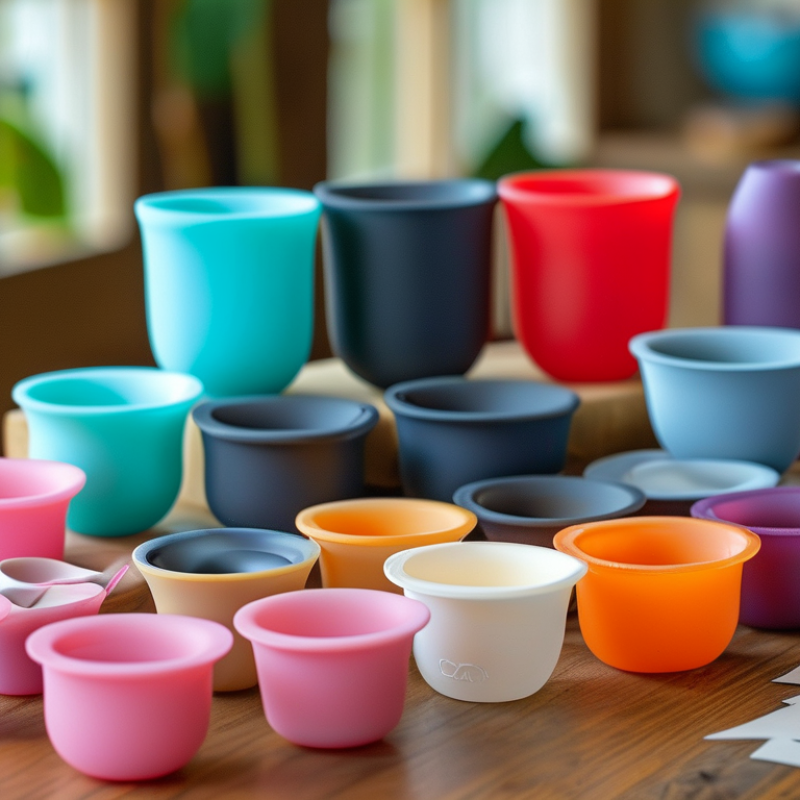
Reliable period cup manufacturing begins with material selection. Medical-grade silicone is widely used because it is flexible, durable, and easy to clean. Some manufacturers also evaluate thermoplastic elastomers for softness and processing efficiency. Material records should confirm composition, hardness, colorants, and batch traceability. Skin contact matters. Odor, surface residue, and uneven curing can reduce user confidence.
Design choices affect comfort and performance. Engineers usually test cup diameter, length, rim strength, air holes, and stem flexibility. A firm rim may improve opening, but excessive firmness can cause discomfort. A softer body may feel gentler, yet it can collapse during movement. Prototype testing with different body shapes is essential. No design is perfect. Feedback may reveal problems that laboratory measurements miss. Production controls should include dimensional checks, visual inspection, leak testing, and packaging verification. Quality systems aligned with ISO 13485 can support consistent manufacturing, while Biocompatibility evaluations may follow relevant ISO 10993 methods. Requirements still vary by market.
Tips: Ask manufacturers for material certificates, inspection records, and sample approval procedures. Check whether molds are maintained and production batches are traceable. Review cleaning instructions and packaging conditions carefully. Do not judge quality from appearance alone. A polished sample can hide weak process control. Independent testing adds confidence, although it increases lead time and cost. Suppliers should explain their limits clearly, because uncertain claims deserve further review.
| Evaluation Dimension | Typical Manufacturing Specification | Common Buyer Requirements | Recommended Verification Evidence |
|---|---|---|---|
| Primary Material | Medical-grade silicone is the most widely specified material; thermoplastic elastomers may also be used for selected designs. | Material should be body-safe, odor-resistant, flexible, durable, and suitable for repeated sterilization. | Material technical data sheet, supplier declaration, batch traceability, and Biocompatibility Test records. |
| Material Grade | Platinum-cured or equivalent high-purity silicone is commonly selected for reusable menstrual products. | No restricted substances, colorants, fillers, or processing residues that could compromise intended use. | Certificate of analysis, restricted-substance screening, curing-process records, and incoming material inspection. |
| Product Sizes | Many product ranges offer two or more sizes, with capacity commonly varying from approximately 15 mL to 40 mL depending on shape and dimensions. | Size selection should consider user age, anatomy, flow level, comfort, and post-pregnancy requirements. | Approved dimensional drawings, capacity test results, mold inspection reports, and sample approval records. |
| Cup Capacity | Usable capacity is normally confirmed through water-volume testing or an equivalent validated method. | Capacity claims should clearly distinguish usable capacity from overflow or maximum geometric volume. | Capacity test procedure, calibrated measuring equipment, test records, and labeled product specifications. |
| Firmness and Flexibility | Firmness is controlled through material formulation, wall thickness, rim geometry, and post-curing conditions. | The rim should provide reliable opening and sealing while the body remains comfortable during movement. | Compression or force-displacement testing, design validation, and user comfort evaluation. |
| Rim and Seal Design | Smooth rounded rims, continuous surfaces, and controlled wall thickness help reduce leakage risk and improve comfort. | No sharp edges, flash, sink marks, cracks, or incomplete molding around the rim. | Visual inspection standard, dimensional inspection, leak simulation, and first-article approval. |
| Air Holes | Small vent holes are positioned near the upper cup wall and must remain open after molding and trimming. | Hole position, diameter, and cleanliness should be consistent across production batches. | Go/no-go inspection, magnified visual checks, dimensional records, and leakage-performance testing. |
| Stem and Grip Features | Stem length, grip rings, or textured surfaces may be customized for removal and handling. | Features should be smooth, securely integrated, easy to clean, and free from uncomfortable edges. | Pull-strength testing, dimensional inspection, surface-finish checks, and cleaning validation. |
| Manufacturing Process | Liquid silicone rubber injection molding or compression molding is commonly used for reusable silicone cups. | The process should provide repeatable dimensions, consistent curing, low flash, and controlled contamination. | Process flow chart, validated work instructions, machine maintenance records, and in-process inspection data. |
| Surface Finish | A smooth, non-porous surface is preferred to support cleaning and reduce residue accumulation. | Surface must be free of burrs, flash, particles, discoloration, tackiness, and visible molding defects. | Cosmetic inspection standard, lighting requirements, defect limit samples, and finished-product inspection reports. |
| Color and Customization | Solid or translucent colors can be produced with compatible pigments designed for the selected elastomer. | Colorants must not adversely affect safety, odor, curing, flexibility, or long-term appearance. | Pigment compliance documents, color master samples, accelerated-aging evaluation, and batch color records. |
| Biocompatibility | Assessment commonly considers biological safety endpoints relevant to prolonged mucosal contact. | Testing should be based on intended contact type, duration, materials, colorants, and manufacturing residues. | Risk-based biological evaluation and applicable testing aligned with the ISO 10993 series. |
| Quality Management System | A documented medical-device quality system should control design, purchasing, production, inspection, complaints, and corrective actions. | Quality activities should be traceable from raw material receipt through final release. | ISO 13485 certificate where applicable, audit reports, batch records, nonconformance logs, and CAPA records. |
| Risk Management | Potential risks include leakage, tearing, difficult removal, irritation, contamination, incorrect use, and loss of material integrity. | Design controls and user instructions should address reasonably foreseeable misuse and cleaning errors. | Risk-management file, hazard analysis, verification results, usability evaluation, and post-market feedback process. |
| Sterilization and Cleaning Instructions | Reusable cups are generally cleaned between uses and may be boiled according to validated manufacturer instructions. | Instructions should specify cleaning method, storage, inspection, replacement signs, and precautions. | Cleaning validation, heat-aging or cycle-testing data, packaging instructions, and user-instruction review. |
| Packaging | Packaging should protect the product from dust, moisture, deformation, and contamination during storage and transport. | Packaging materials and labeling should comply with destination-market requirements and preserve product identification. | Packaging specification, transit simulation, seal or closure inspection, and labeling approval records. |
| Labeling and Instructions | Instructions should cover insertion, removal, cleaning, storage, maximum recommended wear time, warnings, and disposal. | Content should be translated accurately and adapted to the regulatory and language requirements of each market. | Label review against ISO 20417 and ISO 15223-1 where applicable, translation review, and controlled artwork approval. |
| Regulatory Readiness | Market access may require different technical documentation, registration, conformity assessment, or labeling controls depending on the destination. | The manufacturer should identify the product classification and obligations in every target market before commercial production. | Technical file index, declaration documents, applicable market registrations, and regulatory gap assessment. |
| Production Capacity and Lead Time | Capacity depends on mold cavities, equipment availability, inspection requirements, packaging configuration, and order quantity. | Buyers should request a capacity plan, sampling schedule, production lead time, and replenishment timeline before placing a purchase order. | Production schedule, capacity statement, approved sample timeline, purchase-order milestones, and on-time delivery history. |
The menstrual cup market is gaining attention as consumers look for reusable, cost-efficient, and lower-waste alternatives to disposable period products. Industry research reports highlight several important drivers, including growing awareness of menstrual health, wider access to personal-care information, and rising interest in sustainable lifestyles. Within this evolving market, ring-style menstrual cups are designed to address practical concerns such as insertion, removal, comfort, and reliable protection during daily activities. Their reusable format may also appeal to users seeking a longer-term period-care solution.
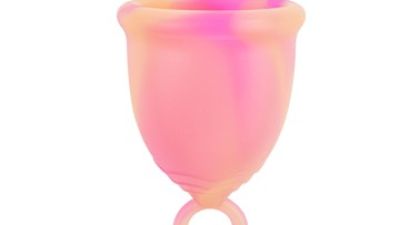
A ring menstrual cup made from soft, flexible medical silicone is designed for extended wear and convenient handling. Its ring-shaped handle can make removal easier than with some traditional stem designs, while the larger capacity may help provide longer, worry-free protection between changes, depending on individual menstrual flow. The cup is structured to open gently inside the body and create a secure fit, while its balance of softness and firmness supports comfort and stability. With proper cleaning and use according to professional guidance, this type of cup can offer a practical option for people seeking a reusable menstrual-care product that combines convenience, capacity, and reduced reliance on disposable materials.
: Medical-grade silicone is widely used because it is flexible, durable, and easy to clean. Some suppliers also assess thermoplastic elastomers for softness. Request composition, hardness, colorant, and batch records. Surface residue matters.
Diameter, length, rim strength, air holes, and stem flexibility all influence comfort. A firm rim may open more easily. Excessive firmness can feel uncomfortable. A softer body may collapse during movement. No design is perfect.
Test several body shapes, sizes, and firmness levels. Laboratory measurements help, but user feedback can reveal pressure or folding problems. Repeated-use testing is valuable. It takes longer.
Use dimensional checks, visual inspections, leak tests, and packaging verification. Inspect smooth edges and consistent surfaces. Confirm that molds receive regular maintenance. A polished sample can hide weak process control.
Ask for material certificates, inspection records, sample approval procedures, and batch traceability. Review cleaning instructions and packaging conditions. Independent testing can add confidence, although it increases cost and lead time. Claims need evidence.
A quality system aligned with ISO 13485 can support consistent production. Biocompatibility evaluations may follow relevant ISO 10993 methods. Market requirements still differ. Check the destination market carefully.
Request separate costs for products, packaging, tooling, freight, insurance, and customs documents. Confirm delivery terms, shipping routes, carton sizes, and estimated transit times. Low unit pricing may hide transport risks. Moisture and crushed cartons remain practical concerns.
Compare minimum order quantities with storage capacity and cash flow. Smaller trial orders cost more per unit but expose defects sooner. Discuss payment stages, replacement policies, schedules, and response times. Details matter.
No. A checklist helps both sides follow agreed requirements. However, it may miss defects appearing after repeated use. Sample approval is useful, but continued batch monitoring remains necessary. Review assumptions.
This guide explains how global buyers can evaluate reliable Period Cup manufacturers by examining materials, product designs, production standards, and manufacturing expertise. It highlights the importance of selecting body-safe materials, consistent molding processes, suitable sizing options, and suppliers with strong quality control systems. Buyers will also learn how to assess leading manufacturing regions, production capabilities, safety testing procedures, and regulatory compliance before entering a sourcing agreement.
The article further covers practical considerations such as customization, packaging, minimum order quantities, production capacity, international shipping, pricing, and long-term supplier cooperation. By reviewing certifications, inspection procedures, communication efficiency, lead times, and after-sales support, importers and distributors can reduce sourcing risks and build dependable partnerships. A thorough comparison of supplier capabilities helps buyers choose manufacturers that can deliver consistent quality, flexible customization, competitive pricing, and stable supply for different international markets.