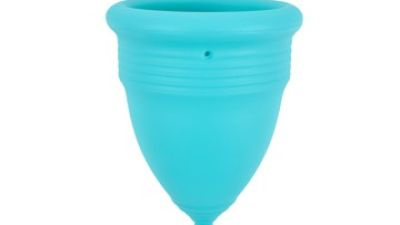
Choosing the right Menstrual Cup Factory in China isn’t just about comparing prices — there’s more to it than that. You really need to do your homework: research thoroughly, verify practically, and have clear, open communication. A trustworthy supplier should be upfront about where they source their silicone, how they mold the cups, their quality control measures, and their production capacity — no vague promises allowed. Make sure they use medical-grade silicone backed by current material documentation. Also, ask about how they keep things clean, ensure measurements are accurate, finish surfaces properly, and handle packaging inspections — these little details actually matter a lot.
Visiting the factory in person can give you way more insight than just browsing a shiny website. Walk through storage areas, production lines, testing stations, and observe how workers do their jobs. Instead of just asking for one perfect sample, request a few pieces from different batches. Compare them in terms of softness, rim consistency, any odd odors, trimming quality, and how the packaging looks. If possible, a third-party audit can be super helpful—especially if you can't make a trip to China. Also, check out their certifications carefully — just because a certificate looks fancy doesn’t automatically mean the factory is top-notch. Make sure those certs are relevant for your specific market and product category.
Let’s be real — no factory’s perfect. Even seasoned manufacturers can experience delays, miscommunications, or variations in samples when they’re just starting out working with you. So it’s best to have honest chats about these issues rather than jumping to conclusions. Find out how they deal with defective products, corrective measures, traceability, and customer complaints. Having a clear, written quality agreement can really protect both parties and keep expectations in check. Before placing a big order, it’s smart to test the waters with a small trial batch to see how they perform in real life. Remember, good sourcing isn’t about just chasing the lowest price. It’s about building a reliable process that uses safe materials, consistent craftsmanship, transparent records, and realistic timelines. And honestly, your final choice should be based on solid evidence, not just attractive photos or overconfident sales talk.
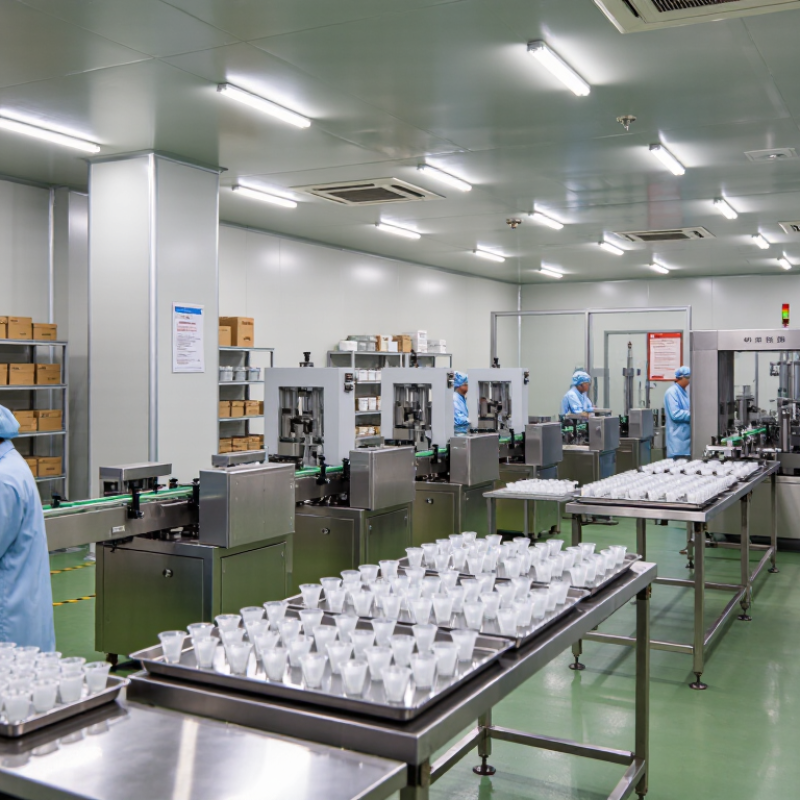
Before searching for the best Menstrual Cup Factory in China, define the product precisely. A vague request produces vague quotations and inconsistent samples. Prepare a product brief covering diameter, length, capacity, rim shape, stem style, and firmness. State whether the cup targets beginners, active users, or different body needs. Include acceptable measurement tolerances.
Material selection also needs careful attention. Specify the required silicone grade and request documentation showing material traceability. Ask about pigments, odor, surface finish, and cleaning instructions. The cup should feel smooth, without sharp edges, flashing, or uneven walls. Request several samples, not just one. Manufacturing variation can appear between cavities.
Do not overlook packaging and testing. Define the pouch fabric, instruction leaflet, carton dimensions, language requirements, and batch coding. Ask the factory which quality checks occur during molding, trimming, washing, and final packing. Independent testing may be needed for material safety and market-specific requirements. Confirm the applicable rules before mass production.
I once focused too heavily on appearance. That was a mistake. A beautiful sample means little without stable production records. Check the factory’s experience with similar reusable products, equipment maintenance, worker training, and complaint handling. Request a pilot order with written acceptance standards. Small details expose large gaps. If a supplier avoids clear answers, pause before paying a deposit.
Research China’s menstrual cup manufacturing regions before contacting any supplier. Guangdong is a strong starting point, especially around Shenzhen, Dongguan, and Guangzhou. These cities offer mature silicone processing, packaging, mold development, and export services. Zhejiang also deserves attention. Ningbo and nearby industrial areas often support household and personal-care product manufacturing. A search for “Copa Menstrual Factory” may produce useful leads, but the phrase alone proves nothing.
Ask each factory about silicone sourcing, molding temperatures, trimming methods, and batch traceability. Request current material reports, safety testing, and production photographs. Check whether the facility can control dust, humidity, and worker hygiene. Small details matter. Inspect sample edges under bright light. Rough rims may cause discomfort. Measure the stem, cup wall, and air holes against approved drawings. Do not rely only on catalog images.
Jiangsu and Fujian may also provide suitable suppliers, depending on mold capacity and quality systems. Regional labels can be misleading because trading companies sometimes present themselves as factories. Arrange a live video inspection or an independent audit. Confirm production records, defect handling, and packaging controls. A clean showroom can still hide weak documentation. I would compare at least three factories before deciding, although this takes longer than expected. The cheapest quote may reflect thinner walls, limited testing, or unstable production. Keep communication written, and review every technical change before mass manufacturing.
How to Find the Best Menstrual Cup Factory in China?
Verify Factory Qualifications and Production Capacity
A reliable Menstrual Disc Factory should provide clear registration documents, production licenses, and recent third-party audit reports. Check whether the factory operates under a documented quality management system, such as ISO 13485, where applicable. Do not accept certificates as decoration. Confirm the certificate holder, site address, expiry date, and product scope.
Production evidence matters more than polished presentations. Ask for monthly output, molding-machine numbers, cleanroom controls, and inspection staffing. A factory claiming 500,000 units monthly should show production records, equipment lists, and realistic lead times. Grand View Research estimated the global menstrual cup market at about USD 1.9 billion in 2023, with continued growth expected through 2030. Rising demand can expose weak capacity quickly.
Request samples from different production batches. Inspect silicone texture, rim consistency, odor, packaging seals, and measurement markings. Ask how raw materials are tested and how rejected products are isolated. A responsible factory should explain traceability from incoming material to final carton. It should also provide test reports from qualified laboratories, not copied documents.
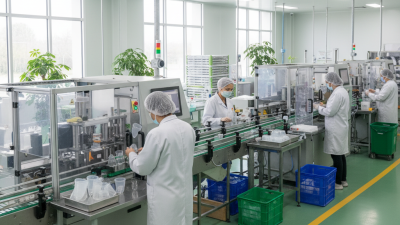
Visit the facility if possible. Look closely. Are workers recording inspections, or merely posing for visitors? Can the factory handle your forecast during peak seasons? I would also ask for a small pilot order before signing a large contract. Capacity claims can change. Factories sometimes overpromise, and buyers often notice too late.
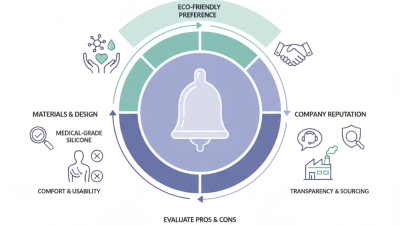
Verify factory qualifications and production capacity before placing an order. The chart shows a practical 100-point evaluation framework for comparing potential suppliers without using company or brand data.
Prioritize documented quality systems, medical-device compliance capability, production capacity, process quality control, and tooling ownership. Request certificates, audit reports, sample records, equipment lists, and recent production evidence before approval.
Finding a reliable menstrual cup factory in China starts with materials, not a glossy catalog. Ask whether the cup uses documented, body-safe silicone or another suitable elastomer. Request material specifications, supplier declarations, and accredited laboratory reports. Do not accept “medical grade” as sufficient evidence. Check hardness, tensile strength, odor, pigmentation, and repeated-use performance. A sample should fold easily and recover its shape. Small details matter. Inspect incoming-material records and batch traceability whenever possible.
Design evaluation needs practical testing. Compare diameter, length, rim shape, stem comfort, and air-hole placement. A firm rim may open quickly, but it can create pressure for some users. A softer body may feel comfortable but fail to seal consistently. Ask the factory for prototypes in several firmness levels. Test them under controlled conditions and record feedback about movement, removal, cleaning, and comfort. This stage can challenge your assumptions. A drawing rarely shows how a cup behaves in daily use.
Customization may include colors, translucent finishes, embossed marks, packaging, and private molds. Confirm pigment compatibility, mold ownership, tooling fees, minimum order quantities, and lead times in writing. Request a pre-production sample before mass production. The factory should define inspection standards for flash, surface defects, dimensions, and packaging hygiene. It should also explain corrective action after a failed inspection. A low quotation may hide weak tooling or uneven rims. Ask for clear evidence, not confident promises.
Choosing a Period Cup Factory in China requires more than comparing unit prices. Quality control should be visible on the production floor. Ask to review incoming silicone inspections, mold-cleaning records, and batch release procedures. Medical-grade silicone should have clear material documentation and traceable supplier records. Operators should check edges, stems, firmness, color, and surface defects. Small flaws can affect comfort and cleaning.
Testing must match the cup’s intended market. Request reports for Biocompatibility, microbial limits, physical performance, and aging, where applicable. Verify laboratory accreditation and confirm samples came from regular production. A factory should explain its sampling plan, rejected-batch process, and corrective actions. Ask for a recent batch record, not only a polished presentation. Details matter.
Regulatory compliance also deserves direct evidence. Check whether the manufacturer understands device classification and registration duties in each target market. Review technical files, labeling controls, complaint handling, and traceability from raw material to shipment. An independent factory audit can reveal gaps that certificates hide. No factory is flawless. I would question any supplier promising zero defects or instant approval. Strong partners share limitations, investigate failures, and improve procedures. That honesty is often more valuable than a perfect sales pitch.
When evaluating a Copas Menstruales Factory, compare more than the unit price. Request quotations for several quantities, such as 500, 2,000, and 10,000 pieces. A low price may exclude molds, packaging, inspection, or shipping. Ask for a complete cost sheet. It should show material, size options, printing, cartons, and payment terms. I have seen attractive quotes become expensive after custom packaging was added.
Minimum order quantity matters when testing a new market. Some factories accept small trial orders, while others require thousands of units per size. Confirm whether mixed sizes count toward one MOQ. Request production samples before signing a large order. Check the silicone feel, rim flexibility, surface finish, measurement accuracy, and packaging quality. A sample can reveal more than a polished sales presentation. Sometimes, it reveals my own unclear specifications.
Lead times should be documented carefully. Ask how many days are needed for sampling, mold preparation, production, inspection, and packing. Standard items may move faster, but customized colors or printed boxes can add weeks. Request a written schedule with milestones and a realistic buffer. Factory capacity can change during busy seasons. Confirm how delays are communicated and which inspections are performed before shipment. Independent quality checks may cost more, but they can protect consistency across thousands of pieces. Payment should follow clear production stages, not vague promises.
A reliable factory communicates clearly before discussing price. Ask who handles technical questions, production updates, and quality concerns. Their replies should be specific, not copied from a sales script. Request material specifications, mold details, production capacity, and inspection procedures. A video call can reveal useful details, such as clean work areas, organized records, and confident answers from engineers. Good communication feels practical.
Samples deserve careful attention. Request several sizes or shapes when possible. Check the silicone texture, rim flexibility, surface finish, odor, and packaging accuracy. Test insertion comfort, firmness, and cleaning performance with qualified users. Record every comment in a comparison sheet. Do not trust one attractive sample. I once focused too much on appearance and overlooked inconsistent rim thickness. That mistake delayed development.
Long-term support matters after the purchase order. Discuss replacement procedures, batch records, inspection reports, and response times before signing an agreement. A dependable partner should explain how it handles defects, design changes, and production delays. Ask whether the same material and mold settings can be maintained across future batches. Keep communication documented through clear drawings and approved samples. Small factories may offer personal attention, but their backup systems can be weak. That risk deserves honest discussion. A factory should support your quality process, not merely ship products.
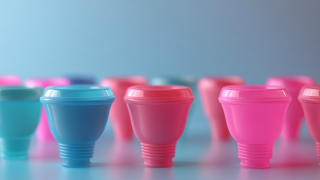
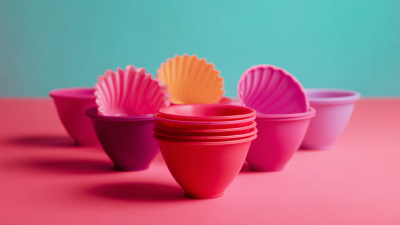
The growing interest in cute menstrual cups reflects a broader shift toward comfort, sustainability, and practical period care. Made from soft, body-friendly medical silicone, the Cute Cup is designed to feel gentle and flexible, making it a suitable option for beginners who may feel uncertain about using a reusable cup. Its small size can support easier handling, while the smooth surface allows for convenient cleaning and repeated use when cared for according to the product instructions.
Market trends highlighted in recent menstrual-care research show increasing consumer interest in reusable alternatives that can reduce reliance on disposable pads and tampons. A durable menstrual cup may help lower everyday waste and offer a cost-conscious choice over time. The Cute Cup combines these environmental advantages with a compact design intended for comfort during daily activities, including work, travel, and light exercise. As awareness of sustainable personal-care products continues to develop, soft silicone cups with beginner-friendly shapes are gaining attention among users seeking a simpler and more adaptable menstrual routine.
Request registration documents, production licenses, and recent third-party audit reports. Check the certificate holder, factory address, expiry date, and product scope. A certificate alone proves little. Review the documented quality system and applicable standards.
Ask for monthly output, machine numbers, inspection staff, and realistic lead times. Compare production claims with records and equipment lists. A factory claiming 500,000 units monthly should provide supporting evidence. Capacity may shrink during peak seasons.
Request samples from several production batches. Check silicone texture, rim consistency, odor, markings, and packaging seals. Inspect whether each sample folds easily and regains its shape. One attractive sample can mislead you.
Ask for material specifications, supplier declarations, and qualified laboratory reports. Review hardness, tensile strength, odor, pigmentation, and repeated-use performance. Confirm incoming-material records and batch traceability. “Body-safe” claims need evidence.
Compare diameter, length, rim shape, stem comfort, and air-hole placement. Test several firmness levels with controlled feedback. Record comfort during movement, removal, cleaning, and daily use. Drawings cannot show everything.
Confirm colors, translucent finishes, embossed marks, packaging, and private mold ownership. Record tooling fees, minimum order quantities, and lead times. Request a pre-production sample before mass manufacturing. Small wording differences can become expensive.
Review incoming material inspections, mold-cleaning records, and batch release procedures. Check inspections for edges, stems, firmness, color, and surface defects. Ask how rejected products are isolated and investigated. Visible records matter more than a polished tour.
Request applicable reports for biocompatibility, microbial limits, physical performance, and aging. Verify laboratory accreditation and confirm samples came from regular production. Review labeling controls, complaint handling, technical files, and shipment traceability. Requirements vary by market.
Visit the facility when possible and observe real inspection practices. Notice whether workers record checks or simply pose for visitors. Place a small pilot order before signing a large contract. I might trust a confident supplier too quickly. That deserves reflection.
Finding the right Menstrual Cup Factory in China starts with clearly defining your product requirements, including cup sizes, shapes, firmness, color, packaging, and target market. You should then research major manufacturing regions and evaluate each factory’s experience, production facilities, certifications, workforce, and capacity. A reliable supplier should offer safe, suitable materials, flexible design options, and practical customization services that match your product concept and order volume.
Before making a decision, carefully review the factory’s quality control procedures, product testing, documentation, and regulatory compliance. Compare pricing, minimum order quantities, tooling costs, production schedules, and shipping lead times rather than focusing only on the lowest quotation. Request samples to assess comfort, appearance, consistency, and packaging quality. Clear communication, responsive service, transparent production updates, and dependable after-sales support are also essential for building a stable long-term partnership. A thorough evaluation process can help you select a capable supplier and reduce risks during product development and mass production.