Picking the right Period Cupcan make a huge difference when it comes to comfort and convenience during your period. I mean, have you seen how the market is growing? According to Market Research Future, the global Menstrual Cup market might hit around $1.6 billion by 2024—that’s a clear sign more women are moving towards eco-friendly options and becoming more aware of alternatives. As more of us start exploring different choices beyond traditional pads and tampons, it really pays to understand what suits your body and lifestyle best.
Dr. Angela O’Neill, who’s pretty much an expert in menstrual health, always says, “Not all Period Cups are created equal.” And she’s right! Finding the right cup isn’t always straightforward, especially with so many shapes, sizes, and materials out there. Sometimes a larger cup can feel uncomfortable, and a smaller one might not provide enough protection. It can be a bit overwhelming, I know.
So, doing some quick research can go a long way. Brands like DivaCup and MoonCup each have their own features, so what works for someone else might not be perfect for you. A lot of users have been frustrated with leaks or discomfort, often because the sizing wasn’t quite right. That’s why trying out a few different styles can really help you discover what feels best. Chatting with others in community forums or even consulting menstrual health coaches might give you some extra insights, too. At the end of the day, the right Period Cup can totally change how you experience your period — making it more manageable and better for the environment to boot.

Understanding Menstrual Cups: An Overview of Types and Benefits
Menstrual cups serve as a popular alternative to traditional period products. They are designed to collect menstrual fluid rather than absorb it. This allows for longer wear time, typically up to 12 hours. Studies show that menstrual cups can reduce waste, as each cup lasts several years with proper care. This sustainability aspect appeals to many users, considering that up to 20 billion tampons and pads are disposed of annually.
There are various types of menstrual cups, including bell-shaped and more rigid options. The choice often depends on factors like flow level, body shape, and comfort. Research indicates that many users switch to menstrual cups for their economical benefits. A report noted that over 70% of respondents experienced fewer leakages compared to using pads or tampons. However, some initial adjustment may be needed. Not every cup will work for everyone, which can lead to frustration during the learning phase.
Using a Period Cup Applicator might ease this transition. It helps with insertion, making the experience more comfortable for beginners. Nonetheless, not all applicators suit every cup. Users often share mixed feelings on how well they work. Ultimately, selecting the right menstrual cup involves understanding personal preferences and body mechanics. Each person's experience can vary, calling for exploration and patience.
Understanding Menstrual Cups: Overview of Types and Benefits
This bar chart illustrates the popularity of different types of menstrual cups used by users. Silicone is the most popular choice, followed by rubber, latex, and TPE types. Knowing the variety helps individuals choose the best option for their needs.
Factors to Consider When Choosing a Menstrual Cup for Your Lifestyle
Choosing the right menstrual cup involves understanding various factors that align with your lifestyle. First, consider your flow. A data report from the Journal of Women's Health indicates that approximately 30% of women experience heavy flow, requiring a higher capacity cup. If you regularly fill a standard cup within a few hours, you might need a larger model. Conversely, lighter flow users can opt for smaller sizes.
Next, focus on material. Most cups are made from silicone or rubber. A study published in the International Journal of Gynecology found that 75% of women prefer silicone due to its softer feel and lower likelihood of irritation. Comfort is key. You want to ensure the cup fits well; an uncomfortable fit can lead to leaks or discomfort.
Lastly, reflect on your lifestyle. Whether you are active, travel often, or spend long hours away from home influences your decision. Many users find Period Cup Certificadas advantageous because they’re designed with endurance in mind. Remember, each person's experience is unique, and what works for one might not work for another. Be open to trying different options before settling on the perfect fit.
How to Choose the Right Period Cup for Your Needs?
| Factor | Description | Considerations |
| Size | Cups come in different sizes (small, medium, large) suited for different flows and anatomical differences. | Consider your age, flow, and whether you have given birth vaginally. |
| Material | Menstrual cups are typically made of silicone, rubber, or thermoplastic elastomer (TPE). | Check for allergies and choose a hypoallergenic material if necessary. |
| Capacity | Cups have different capacities, affecting how often you need to empty them. | Consider your menstrual flow intensity and how long you plan to wear the cup. |
| Firmness | Cups can be soft, medium, or firm, affecting insertion and comfort. |
Soft Cups are easier to insert for beginners; firm cups hold their shape better during activity. |
| Design | Different cups have unique designs including rim shape and stem length. | Choose a design that is easy to use and comfortable for your body type and pelvic floor. |
| Cost | Menstrual cups can vary significantly in price. | Consider your budget, but remember that a cup can last for years. |
Evaluating Size, Material, and Shape for Comfort and Efficiency
Choosing the right period cup involves considering size, material, and shape. Understanding these factors can greatly enhance your comfort and efficiency during your menstrual cycle. Size is often determined by your age, flow, and whether you've given birth. Women with a heavier flow might need a larger size. However, it's essential to think about your unique anatomy as well.
Material is another crucial element. Period cups are typically made from silicone, rubber, or TPE. Silicone is soft and durable, while rubber can be more suited for those with latex allergies. Pay attention to the texture; a smoother surface can make insertion easier. Reflect on what feels best for you.
Choosing the right shape is about comfort. Some cups are more bell-shaped, while others are oval. Consider your body and how your cup will sit. If you feel discomfort, it may not be the right fit.
Experimenting is key to finding a period cup that works for you. Consider your lifestyle too. Will you be active or sitting for long periods? This may influence your choice. Listen to your body and adapt based on how you feel during each cycle.
How to Measure Your Flow and Determine the Right Cup Capacity
Measuring your flow is crucial in choosing the right period cup. Research reveals that menstrual flow can vary greatly. On average, women lose about 30 to 40 milliliters of fluid during their cycle. Some may lose less, while others may experience heavy flow, exceeding 80 milliliters. Understanding your flow can help you select an appropriate cup size and capacity.
To determine your flow, track your menstrual patterns for a few cycles. Note how much blood you see on panty liners or pads throughout the day. Light days might require a smaller cup, while heavier days may need a larger capacity. Industry guidelines suggest that a smaller cup typically holds around 20 to 30 milliliters, while larger ones can accommodate 30 to 40 milliliters or more. Remember, personal comfort and fit are just as vital as capacity.
An important factor to consider is that menstrual cups can feel different for everyone. Some might find a higher capacity cup uncomfortable on lighter days. Others may prefer less frequent changes, opting for a higher capacity cup even on lighter flow days. Experimenting with different sizes can provide valuable insights into what works best for your unique flow patterns.
Exploring Popular Brands and Their Unique Features
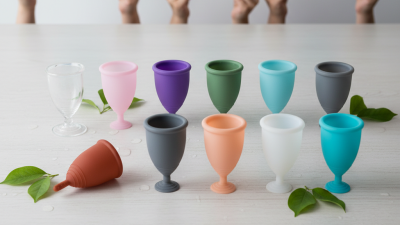
When choosing a period cup, understanding various brands and their features is essential. Many cups come in different shapes, sizes, and materials. Some are made from soft silicone, while others use rubber or thermoplastic elastomer. The flexibility and firmness can dramatically affect comfort. Cups also vary in capacity, which might be crucial for those with heavier flow.
Comfort is key, but fit is just as important. Some brands offer a range of sizes based on individual needs, including factors like age and childbirth history. You may find that a specific shape fits your anatomy better. It’s worth exploring options to avoid leaks and discomfort.
When transitioning to a period cup, it’s normal to experience a learning curve. Be patient as you figure out insertion techniques and removal. Practice makes perfect; don’t rush the process. Pay attention to your body’s response, and adjust your choice if necessary. Additionally, keep hygiene in mind—sterilization method matters. Always read instructions to ensure proper care.
Tips for Proper Use and Maintenance of Your Menstrual Cup
Choosing the right period cup involves careful consideration and proper maintenance. A Period Cup With Applicator can provide ease of use for those who are new to menstrual cups. Understanding how to properly insert and remove the cup is essential. Always make sure your hands are clean before touching the cup. Practice makes perfect, so don't get discouraged if it takes a few tries.
Once your period cup is in place, pay attention to how it feels. It should sit low in the vaginal canal without causing discomfort. If you feel any pressure, it may need repositioning. During your cycle, check the cup every few hours, especially on heavy days. This ensures it doesn’t overflow and remains effective.
After your period, cleaning the cup is vital. Rinse it thoroughly with warm water and use a mild soap. It’s essential to avoid harsh chemicals that can damage the silicone. If you notice any signs of wear or a change in texture, reflect on whether it’s time to replace it. Regular maintenance is key to ensuring a safe and reliable experience with your period cup.
Troubleshooting Common Issues and Concerns with Menstrual Cups
Menstrual cups have gained popularity, but they can come with concerns. Many users face challenges, like leaks or discomfort. Understanding these common issues helps you make informed decisions.
Leaking is often due to improper placement. The cup might not create a seal. To fix this, ensure that you angle it correctly and rotate it after insertion. If leaks persist, check your flow. Sometimes a larger size or different shape is necessary.
Discomfort can also occur. It might feel too high or too low. Take time to experiment with different positions. Additionally, consider using a Reusable Period Cup made from softer materials, which can enhance comfort during wear.
These issues require attention and patience. Keep troubleshooting until you find what works best for you. The goal is to enjoy a stress-free period experience while using your reusable period cup.
Innovative Comfort and Sustainability: The Benefits of the Vitality Menstrual Cup as an Alternative to Tampons and Pads
The Vitality Menstrual Cup is reshaping the landscape of menstrual products with its innovative design, offering both comfort and sustainability. Traditional menstrual products, such as tampons and pads, contribute significantly to environmental waste — a single user can generate approximately 240 pounds of waste over their lifetime due to disposable products. In contrast, the Vitality Cup is designed to last several years, drastically reducing both personal and ecological impact.
One of the standout features of the Vitality Cup is its customizable length, accommodating various body types and preferences. The longer tail can be trimmed for a perfect fit, enhancing comfort and ease of use. Studies indicate that proper fit and comfort can improve user compliance with menstrual products, which in turn supports better menstrual health management. According to industry research, women who switch to menstrual cups often report a higher satisfaction rate due to reduced discomfort and fewer leak incidents.
Moreover, menstrual cups are a cost-effective solution. While the initial investment in the Vitality Cup may be higher than a box of tampons, the long-term savings are substantial. Research shows that the average woman spends over $18,000 on menstrual products in her lifetime. By switching to a menstrual cup, individuals not only save money but also contribute to a sustainable future, as these cups significantly reduce waste production. With such compelling advantages, the Vitality Cup stands out as a leading option for those seeking comfort and sustainability in their menstrual care routine.
FAQS
: Consider your flow. If you have a heavy flow, opt for a larger size. Lighter flow users can pick smaller cups.
Most are made of silicone or rubber. Silicone is often preferred for its softness and reduced irritation risk.
It should sit low in the vaginal canal without discomfort. If you feel pressure, it may need repositioning.
Check the placement. Ensure it's angled correctly and creates a seal. A larger size may also help if leaks persist.
Check it every few hours, especially on heavy days. This prevents overflow and maintains effectiveness.
Rinse it with warm water and mild soap after use. Avoid harsh chemicals that can damage the silicone material.
Experiment with different positions and try a softer cup. Discomfort can often be improved with minor adjustments.
Yes, menstrual cups are designed for reuse. Regular maintenance is important for a safe and reliable experience.
Reflect on replacing it if you notice texture changes. Regular checks can prevent unexpected issues during your cycle.
Practice insertion and removal. Clean hands and patience will help you get the hang of it over time.
Conclusion
Choosing the right period cup is essential for a comfortable and sustainable menstrual experience. This process begins with understanding the various types of menstrual cups available and their benefits, which can significantly enhance your period management. When selecting a cup, it’s important to consider factors such as your lifestyle, preferred size, material, and shape, as these elements can greatly impact comfort and efficiency during use.
Properly measuring your flow and determining the appropriate cup capacity is crucial to ensure that your period cup meets your needs throughout the day. Additionally, familiarizing yourself with proper usage, maintenance tips, and troubleshooting common issues can help you maximize your experience with a menstrual cup. With a little research and consideration, you can find the perfect period cup that suits your individual requirements and enhances your menstrual health.