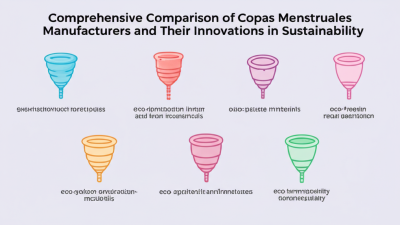
Choosing the right menstrual cup manufacturer really matters if you're thinking about making a switch or just exploring options. The market's been booming lately—estimates say it'll be worth over a billion dollars by 2025, which is pretty wild! This surge shows how more people are catching on to eco-friendly menstrual products and want sustainable alternatives that actually work.
When you're picking a brand, it’s good to look into their reputation and how reliable their products are. Did you know that about 75% of users pick Menstrual Cups mainly for how comfy they are and because they’re better for the planet? Still, not every manufacturer out there hits the mark for safety and quality. Big names like DivaCup and Saalt have earned trust, but it’s smart to do some homework on newer brands too—checking their materials and how they make their cups.
Honestly, with so many options, it can get a bit overwhelming. Some cups might cause irritation or just not offer enough protection—which is super frustrating. That’s why it’s a good idea to read user reviews and maybe ask a few pros for their thoughts. In the end, making a good choice means looking at certifications, and following tips on hygiene and safe materials from trusted industry sources can really save you the trouble down the line.
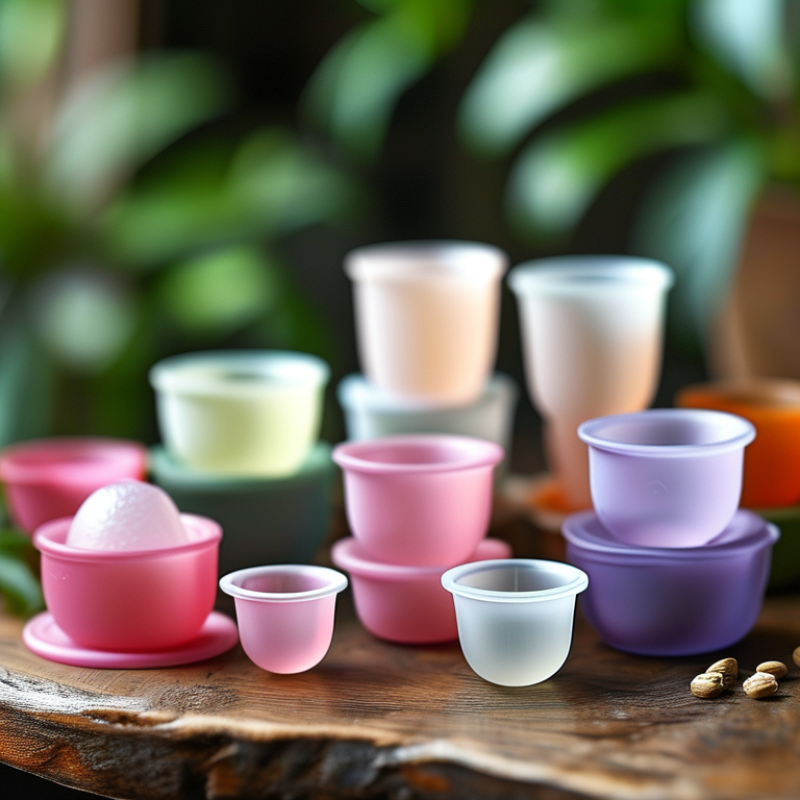
Understanding copas menstruales is essential for informed choices in menstrual care. These products offer an eco-friendly alternative to traditional options. According to a 2021 study, nearly 70% of menstruators prefer reusable options for their sustainability benefits. This shift emphasizes a growing awareness of environmental impacts linked to menstrual hygiene products.
When considering Copas Menstruales Certificadas Por La Fda, it’s vital to review their materials and manufacturing processes. Quality materials can reduce the risk of irritation and ensure comfort. Studies show that high-quality silicone and latex-free materials are preferred. However, many users report initial discomfort as they adjust to using a copa. This variability highlights the need for individual experiences and preferences in product selection.
Furthermore, user reviews and expert opinions play a significant role in choosing the right product. Many menstruators share insights on fit and ease of use. It's common to encounter inconsistent experiences that challenge the perception of what is "best." A copa that works perfectly for one individual might not suit another. This underscores the importance of personal exploration.
Choosing the right menstrual cup requires careful consideration of key features. One of the most important elements is material. Many cups are made from silicone, latex, or thermoplastic elastomer (TPE). A study from the Journal of Women’s Health indicates that silicone is hypoallergenic and can reduce the risk of irritation. Understanding your sensitivity can help in making a decision.
Another critical feature is capacity. Menstrual cups come in various sizes, typically ranging from 15ml to 30ml. Data from the American College of Obstetricians and Gynecologists shows that choosing the right size can prevent leaks and ensure comfort. Many users report discomfort with oversize options. Consequently, knowing your flow level is essential.
The design also plays a significant role. Some cups have more rigid structures, while others are softer. Rigid cups may be easier to insert and remove, while softer options often offer better comfort during wear. Each choice carries its pros and cons. Furthermore, finding a brand that prioritizes transparency about their manufacturing process can enhance trust. Always look for certifications or third-party testing reports to ensure quality.
Choosing the right menstrual cup manufacturer is essential for ensuring safety and effectiveness. Manufacturer reputation plays a significant role in this decision. A well-regarded manufacturer often reflects years of experience and expertise in producing high-quality products. Trustworthiness can be assessed through customer reviews and third-party certifications. Look for manufacturers with a history of positive feedback from users.
Another critical aspect is transparency. Reliable brands should openly share information about their materials and production processes. If a company lacks this transparency, it may raise red flags. Additionally, consider their customer service responsiveness. A manufacturer that addresses concerns promptly indicates their commitment to customer satisfaction.
It's essential to remain critical during your evaluation. Some brands may present glowing testimonials, but these can be misleading. Not all products work for every person. What suits one user may not work for another. Look for diverse reviews that highlight various experiences. This broad perspective can provide a clearer picture of the manufacturer's reliability and the product's effectiveness.
| Criteria | Rating (1-10) | Comments |
|---|---|---|
| Manufacturing Standards | 9 | High adherence to FDA regulations |
| Customer Reviews | 8 | Generally positive feedback from users |
| Product Variety | 7 | Offers several sizes and colors |
| Return Policy | 9 | Flexible return options available |
| Sustainability Practices | 8 | Utilizes eco-friendly materials |
| Customer Support | 10 | Responsive and helpful service team |
When selecting menstrual cups, material safety and comfort are crucial. Menstrual cups should be made from medical-grade silicone, rubber, or thermoplastic elastomer. Reports show that these materials reduce the risk of irritation. Research indicates that cup materials impact comfort significantly. A survey found that 70% of users prefer softer materials, as they adapt better to body shape.
Many brands claim their cups are "biocompatible." However, not all are certified. It’s essential to look for Copas Menstruales Certificadas. Certification guarantees that the product undergoes rigorous testing. This ensures safety and reliability, which are key factors for menstrual health. Furthermore, the shape and design can affect usability and leakage.
Some users report discomfort due to improper fit. It emphasizes the need for individual testing. A well-fitted cup can provide comfort and confidence. Overall, understanding material properties and knowing certification standards can guide you towards a satisfying choice. Try different options to find what works best for you. While many factors contribute to the ideal cup, informed decisions lead to better experiences.
When considering menstrual cups, sustainability and environmental impact are crucial factors. Many copas menstruales are made from medical-grade silicone, reducing landfill waste significantly. Unlike disposable products, menstrual cups can last years. This longevity makes them an eco-friendly option.
Choose brands that prioritize sustainable sourcing. Look for certifications that indicate environmental responsibility. Some companies use recycled materials or practice fair trade. This helps minimize the ecological footprint. It's essential to hold manufacturers accountable for their practices. Not all brands align their environmental claims with actions.
Reflecting on a brand's transparency is vital. Are they open about their manufacturing processes? Do they disclose where their materials come from? This information affects their overall reliability. Assessing these elements can guide your choice of copas menstruales wisely. Prioritizing sustainability not only benefits you but also the planet.
When exploring menstrual cups, pricing is a crucial factor. Many women seek products that provide the best value for money. However, cheaper options may compromise quality. It’s essential to find a balance between affordability and reliability. High-quality materials ensure safety and comfort. Lower-priced cups might use harsher materials that could irritate sensitive skin.
Researching Copas Menstruales Suppliers is vital. Look for reviews and testimonials from real users. This can offer insights into the experiences others have had. Some brands claim superiority based solely on price, which can be misleading. It’s not uncommon to find that pricier products do not guarantee better performance. Real-world testing often reveals discrepancies between price and actual value.
Consider how long each cup lasts and its ease of use. Some menstrual cups require specific care while others are more user-friendly. An effective choice should fit your lifestyle and needs. Remember, what works for one may not suit another. Reflect on your needs as you compare options. Investing in a reliable cup is often more cost-effective in the long run.
When choosing a menstrual cup, user reviews play a crucial role. They offer real experiences from people who have used specific products. Reading these reviews helps potential buyers understand what works and what doesn’t. Be mindful of repeated themes, such as comfort and ease of use. This insight can guide you toward informed decisions.
Consider the star ratings along with the written content. High ratings may not tell the entire story. Some top-rated cups might not suit your needs. Look for detailed reviews that discuss pros and cons. Such accounts can reveal unexpected issues, like difficulty with removal or sizing problems. Balancing positive feedback with criticisms leads to a more rounded perspective.
Gather testimonials from diverse users. Everyone's body is different; what works for one may not work for another. Look for reviews from users of various sizes and preferences. These narratives can highlight important details. For instance, some may struggle with leaking while others have zero issues. Taking the time to read through these experiences can significantly enhance the quality of your choice. Make sure to reflect on what you learn as you weigh your options against your unique needs.
: Copas menstruales are eco-friendly menstrual cups used as an alternative to traditional hygiene products.
About 70% of menstruators choose reusable options for their sustainability benefits and environmental awareness.
Material is crucial. Silicone is often preferred for being hypoallergenic and minimizing irritation risks.
Cups vary in size from 15ml to 30ml. Knowing your flow level helps prevent leaks and enhances comfort.
No, comfort varies. Some cups are rigid, while others are softer. Personal preferences play a significant role.
Read both positive and negative reviews. Look for recurring themes about comfort and ease of use for a better understanding.
No, individual experiences differ greatly. A cup that suits one person may not work for another.
User feedback provides insights into real experiences, helping you make informed decisions about comfort and fit.
Consider varying experiences, and think about how they relate to your unique needs. Look for both successes and challenges.
Yes, certifications ensure quality and trustworthiness in the product's manufacturing process for better safety.
Choosing the best Copas Menstruales Manufacturers involves understanding several critical factors. Firstly, it is essential to know what menstrual cups are and the key features that differentiate them, such as size, shape, and usability. Evaluating the reputation and trustworthiness of manufacturers plays a significant role in ensuring quality. Additionally, the material safety and comfort of menstrual cups must be assessed to avoid any health risks.
Sustainability is another crucial aspect to consider, as many users prefer brands that positively impact the environment. Balancing price points with value for money also helps in making an informed decision. Finally, reading user reviews and testimonials provides insights that guide potential buyers toward the best choices in the market. Overall, thorough research on these elements leads to finding reliable Copas Menstruales Manufacturers that meet individual needs.