Picking the right Bulk Menstrual Cups supplier isn’t just about who has the lowest unit price. For wholesalers, it’s about whether materials stay consistent, production is stable, paperwork is clear, and communication actually works. A cup might seem like a simple product, but rim thickness, stem design, firmness, and capacity all shape how comfortable it feels day to day. Those small details really do matter.
As Professor Julie Hennegan, a leading menstrual health researcher, puts it: “Menstrual health is a state of complete physical, mental, and social well-being in relation to the menstrual cycle.” That’s a useful reminder for buyers: quality isn’t only about silicone performance. It also means instructions people can understand, sensible sizing, hygienic packaging, and customer education that treats users with respect.
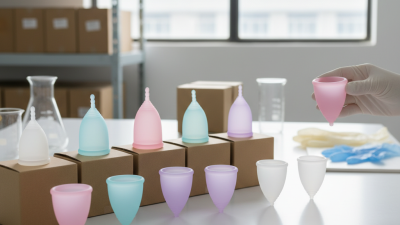
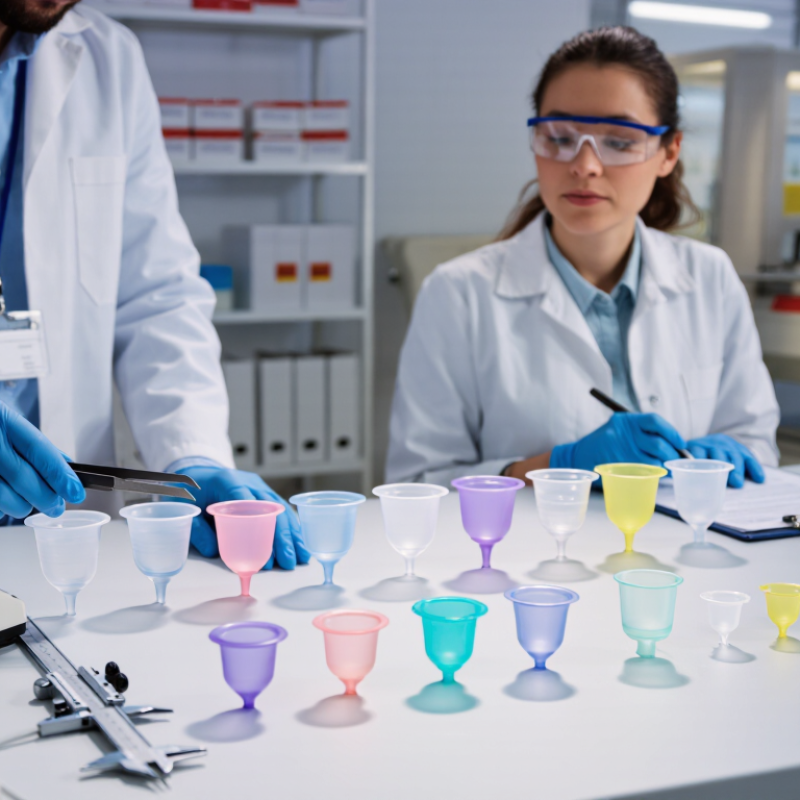
A dependable China-based manufacturer should be able to walk you through its process without dodging questions. Ask about medical-grade silicone, material testing, mold control, batch traceability, and inspection records. And yes, review samples before you commit to a large wholesale order. A good sample check might involve looking over the cup’s surface, measuring capacity, testing how flexible the stem is, and checking the packaging seal. Quality control shouldn’t just be a nice phrase in a brochure—it should show up in records and hold up across production batches.
That said, no cup fits every single user. And that’s worth talking about honestly. Even a well-made product may still need better sizing guidance or clearer folding instructions. Some suppliers get too caught up in appearance and forget to listen to user feedback. The best wholesale partnerships? They leave room to fix things.
This guide looks at how to evaluate China’s Bulk Menstrual Cups manufacturers, from production capability to private-label support. It’s focused on practical evidence, responsible sourcing, and long-term reliability. A polished catalog can help, sure—but verified performance matters more.
What Are Menstrual Cups and How Do They Work?
Menstrual cups are flexible, bell-shaped products worn inside the vagina to collect menstrual fluid. Most are made from medical-grade silicone, although materials can vary. Unlike tampons, they collect fluid rather than absorbing it. A properly fitted cup sits below the cervix and creates a gentle seal against the vaginal walls. It should not feel painful.
The cup opens after insertion and catches blood as it leaves the uterus. Users usually remove it by breaking the seal with one finger, then emptying the contents into a toilet or sink. Capacity differs by design, so wear time depends on flow and personal comfort. Many people need practice with folding, positioning, and removal. Real-world fitting is less tidy than diagrams suggest. Small leaks can still happen.
Clean hands matter. Wash the cup with clean water and a mild, unscented cleanser before reinsertion, following the maker’s care instructions. During heavier days, emptying may be necessary more often. A cup is not a contraceptive device and does not protect against infections. Discomfort, persistent irritation, unusual odor, or difficulty removing it deserves medical advice. For wholesale purchasing, quality checks should include material safety, smooth edges, accurate capacity information, and clear user instructions. A low price alone is not proof of dependable performance. Bulk buyers should also review packaging hygiene and batch consistency.
What Are Menstrual Cups and How Do They Work?
A menstrual cup is a reusable, bell-shaped device that is inserted into the vagina to collect menstrual fluid rather than absorb it. When correctly positioned, it can typically be worn for up to 12 hours, depending on menstrual flow and product instructions.
Typical recommended change intervals vary by flow, product instructions, and personal comfort. Menstrual cups should be emptied, washed, and reinserted regularly.
Why Choose Bulk Menstrual Cups for Wholesale Distribution?
Bulk menstrual cupsoffer wholesalers a practical response to changing Menstrual Care habits. A peer-reviewed review inThe Lancet Public Health examined 43 studies involving 3,319 participants. It found that cups provided similar or lower leakage than disposable products, when users received suitable guidance. The review also reported that many cups can last five to ten years with proper care. That lifespan creates a clear distribution advantage: fewer repeat purchases, lower packaging volume, and stronger value for institutional buyers.
Demand alone is not enough. Wholesale suppliers need consistent sizing, smooth edges, accurate capacity information, and clear cleaning instructions. Quality documentation should cover material safety, biocompatibility testing, and production traceability. UNICEF and WHO’s Joint Monitoring Programme reported in 2023 that 1.8 billion people menstruate globally, while many still lack adequate menstrual health support. This gap creates opportunities for bulk distribution through retailers, schools, clinics, and workplace programs.
Education remains essential. A cup may be reusable, but it is not automatically easy for every user. Different body shapes require different sizes and firmness levels. Some customers may need more than one attempt. That is normal.
The weak point is often overlooked. A low unit price can hide inconsistent quality, unclear instructions, or excessive returns. Reliable wholesale purchasing should balance cost, user comfort, inspection records, and after-sales support. With careful sourcing, bulk menstrual cups can become a durable, lower-waste product category rather than a short-lived trend.
Key Features of a Reliable Menstrual Cup Manufacturer
A reliable menstrual cup manufacturer starts with material control, not attractive catalogs. For Menstrual Cups In Bulk, medical-grade silicone should have documented composition and stable softness. Production teams should record lot numbers from raw material to finished units. Molds need smooth edges, consistent stems, and accurate capacity. Small defects matter. A rough rim can affect comfort and cleaning. Experienced technicians inspect samples during molding, trimming, washing, and packing. This hands-on process reveals problems that automated checks may miss.
Trust also depends on verification. The manufacturer should provide test reports, dimensional records, and clear quality criteria. Independent laboratory testing can assess material safety, durability, odor, and microbial cleanliness. Results must match the actual production batch, not an old sample. Factory audits help buyers review worker training, equipment maintenance, and storage conditions. Ask for pre-production samples. Test suction, flexibility, and packaging strength before approving a larger order. Do not rely on photos alone.
Reliable suppliers communicate clearly about lead times, minimum order quantities, color limits, and corrective actions. A practical manufacturer explains what it cannot guarantee. That honesty is valuable. No production line is flawless, and occasional rejected units are normal. The important question is whether defects are isolated, documented, and corrected. Good after-sales support includes replacement policies, shipment records, and responsive technical staff. Packaging should protect each cup from dust and deformation. Clear instructions should support responsible use, cleaning, and storage without exaggerated medical claims.
Materials, Sizes, Designs, and Customization Options
Wholesale menstrual cups need more than attractive packaging. Material choice affects comfort, durability, and user confidence. Medical-grade silicone remains widely preferred for its flexibility and cleanability. Latex-free TPE can offer a softer feel, but heat resistance must be verified. Every production batch should include material records, dimensional checks, and biocompatibility testing. The 2023 Grand View Research report estimated the global menstrual cup market at about USD 1.26 billion in 2022. This growth increases pressure on manufacturers to prove consistency, not merely offer low prices.
Sizes should reflect real body differences, not simple small, medium, and large labels. A smaller cup may suit beginners or lighter flow. A longer cup may better fit users with a higher cervix. Capacity, rim diameter, stem length, and firmness should appear clearly on wholesale specification sheets. A 2022 UNFPA menstrual health report emphasized the importance of choice, dignity, and reliable product information. One size rarely serves every customer. Sizing charts help, but they are not perfect.
Design customization can include translucent or solid colors, measurement marks, textured stems, storage pouches, and retail-ready cartons. Color matching needs controlled samples because silicone can shift during curing. Logos should not weaken the rim or create difficult-to-clean grooves. Buyers can request pilot samples, compression testing, odor checks, and packaging inspections before mass production. Some customization requests look useful but add unnecessary complexity. Honest review matters. A practical design often performs better than a crowded one.
Quality Control and Safety Standards in Manufacturing
For Menstrual Cup Bulk production, quality begins with controlled materials and trained operators. Each cup should use documented, body-safe silicone from an approved supplier. Incoming material checks confirm color, texture, odor, and batch consistency. Material records matter.
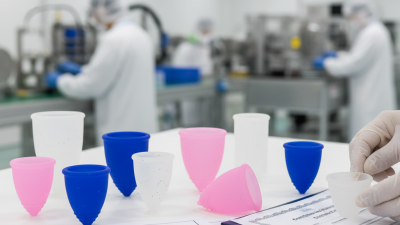
Manufacturers should inspect molds before production starts. Smooth mold surfaces reduce seams, rough edges, and cleaning concerns. During molding, staff monitor temperature, pressure, and curing time. Random samples receive dimensional checks, including rim diameter, stem length, and wall thickness. Leak testing can reveal weak seals or uneven rims. Every batch needs a clear identification code for traceability.
Safety does not end after molding. Finished cups should undergo visual inspection under bright, neutral lighting. Workers check for particles, bubbles, stains, and incomplete surfaces. Packaging areas must remain clean and separated from raw-material storage. Written procedures, inspection records, and calibrated equipment support reliable results. Independent laboratory testing may also assess material safety and performance, depending on the target market.
No factory is perfect. A rushed inspection can miss a tiny edge defect. That risk deserves honest review, not polished promises. Manufacturers should investigate complaints, record corrective actions, and retrain staff when patterns appear. Regular internal audits can expose weak steps before they affect larger orders. Clear communication with wholesale buyers builds confidence through evidence, not slogans.
Steps for Selecting the Best Wholesale Manufacturing Partner
Choosing a wholesale menstrual cup manufacturer requires more than comparing prices. A reliable Chinese supplier should explain its production process clearly. Ask for material documentation proving the use of Menstrual Cups Medical Silicone. Review factory photos, equipment records, and quality control procedures. A serious manufacturer can provide samples before bulk production. The sample should feel smooth, flexible, and free from sharp edges.
Check whether the supplier manages mold development, color matching, packaging, and inspection internally. Request test reports, batch records, and traceability details for every shipment. Confirm the minimum order quantity and realistic production lead time. Delayed replies often signal weak project management. Clear answers matter. Discuss customization carefully, including cup size, stem design, instructions, and carton protection. Packaging should arrive clean, dry, and undamaged after transport.
Do not choose a partner from one attractive quotation alone. A low unit price may hide expensive molds, inconsistent quality, or high replacement rates. Request a written agreement covering tolerances, defect handling, payment stages, and inspection rights. Independent pre-shipment inspection can reduce unpleasant surprises. Also assess communication during a small trial order. This reveals more than a polished sales presentation. No factory is perfect, and buyers should admit that early. A supplier that accepts questions and corrects mistakes deserves closer consideration. Recheck every detail before approving mass production.
Conclusion
This guide explains what menstrual cups are, how they work, and why Bulk Menstrual Cups can be a practical choice for wholesalers, distributors, and retailers seeking reusable menstrual care products. It highlights the importance of selecting a dependable manufacturer with proven production experience, consistent product quality, responsive communication, and the ability to support stable wholesale supply.
The article also explores material options, cup sizes, shapes, colors, and customization possibilities, along with essential quality control and safety standards. It outlines how buyers can compare pricing, packaging solutions, minimum order quantities, production capacity, and delivery schedules before making a decision. By reviewing samples, verifying manufacturing processes, confirming testing documentation, and discussing customization and after-sales support, buyers can identify a suitable manufacturing partner that meets their market requirements and supports long-term wholesale distribution.