Leave Your Message
0%

As more people around the world become aware of sustainable menstrual products, choosing the right Copas Menstruales Factory really matters. The industry’s changing fast, and it can be a bit overwhelming to find a supplier that checks all the boxes. You want a factory that offers good quality while also sticking to ethical practices, right?

Loads of factories talk about being eco-friendly, but not all of them actually follow through. Doing some homework is key—look into who’s legit and who’s just saying the right things. Certifications are a good sign, so make sure they’ve got the credentials that back up their claims. And don’t forget to check out customer reviews—they can tell you what’s really going on behind the scenes, whether there are issues or if they’re doing a stellar job.

Picking a Copas Menstruales Factory isn’t just about how much they can produce, either. It’s essential to think about safety and how comfortable the products are. The factory needs to follow strict quality controls to guarantee that. Sure, finding that perfect match can be tricky, but doing your homework will help you make smarter choices that are good for both the consumers and the planet.
What is the Best Copas Menstruales Factory for Global Buyers?

Understanding Menstrual Cups: A Comprehensive Overview

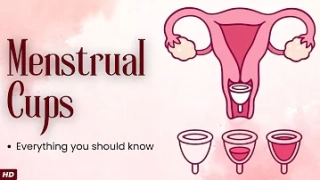
Menstrual Cups have gained popularity for their eco-friendliness and convenience. Understanding how they work is essential for potential users. Menstrual cups are typically made from medical-grade silicone or rubber. They function by collecting menstrual flow instead of absorbing it. This design allows for longer wear time, ranging from 8 to 12 hours, depending on individual flow.

Many buyers seek trusted manufacturers. Opt for companies that provide Copas Menstruales Certificadas Por La Fda. This certification ensures safety and reliability. Users should be aware of sizing options, as a proper fit is crucial. Some experience leaks due to incorrect sizing, a common frustration that can be easily avoided with proper research.

The cleaning process requires attention. Regular sterilization keeps the cup hygienic and functional. Some users report difficulties in insertion or removal. This can be a learning curve that necessitates practice and patience. Overall, menstrual cups represent a cost-effective and sustainable choice for menstrual health. However, understanding their nuances is key to a positive experience.

Factors to Consider When Choosing a Menstrual Cup Manufacturer

When selecting a menstrual cup manufacturer, several factors come into play. Experience in the industry is crucial. A factory with years of expertise understands various needs. They can offer reliable products tailored to different preferences. This knowledge helps in addressing quality standards effectively.

Quality assurance is another critical aspect. Manufacturers should have strict quality control processes. Verifying certifications can ensure that products meet safety and health regulations. Opting for factories that provide transparency in their production methods is wise. This often reflects their commitment to eco-friendly practices.

Additionally, consider customer service. A responsive manufacturer can aid in resolving issues promptly. However, some factories might lack adequate support systems. Research feedback from previous buyers to gauge reliability. This information can guide your decision in choosing the best partner.

Menstrual Cup Manufacturing Factors

Top Global Manufacturers of Menstrual Cups: An Evaluation

What is the Best Copas Menstruales Factory for Global Buyers?

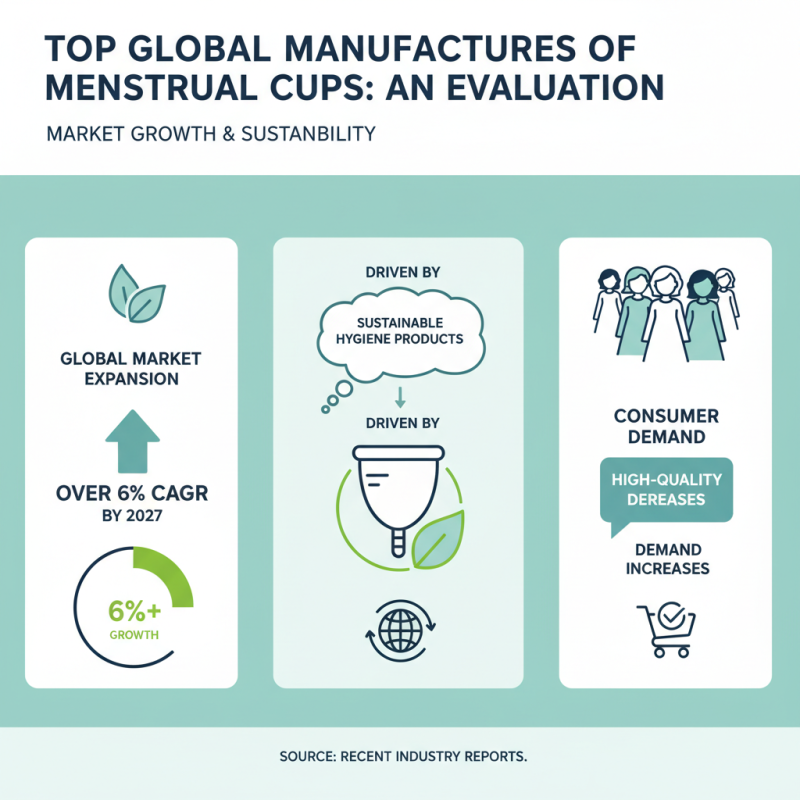
The global market for menstrual cups continues to expand, driven by rising awareness of sustainable hygiene products. According to recent industry reports, the market is expected to grow at a compound annual growth rate (CAGR) of over 6% by 2027. This growth highlights the demand for high-quality menstrual cups among consumers seeking eco-friendly alternatives.

As buyers navigate this market, they face challenges. Not all manufacturers meet the essential standards for safety and durability. Certification plays a critical role in selecting reliable products. Many cups are made from silicone, rubber, or thermoplastic elastomer (TPE), which require strict testing to ensure non-toxic properties. Data indicates that about 12% of buyers prioritize certifications when choosing a menstrual cup.

Furthermore, consumer preferences differ widely across regions. Some prefer cups designed for comfort, while others focus on ease of use. This diversity reflects a need for manufacturers to cater to specific demographics. Reports show a gap in innovation in this sector, suggesting opportunities for brands to develop more effective designs. Embracing these insights could benefit manufacturers striving for excellence in the menstrual cup market.

Quality Standards in Menstrual Cup Production

What is the Best Copas Menstruales Factory for Global Buyers?

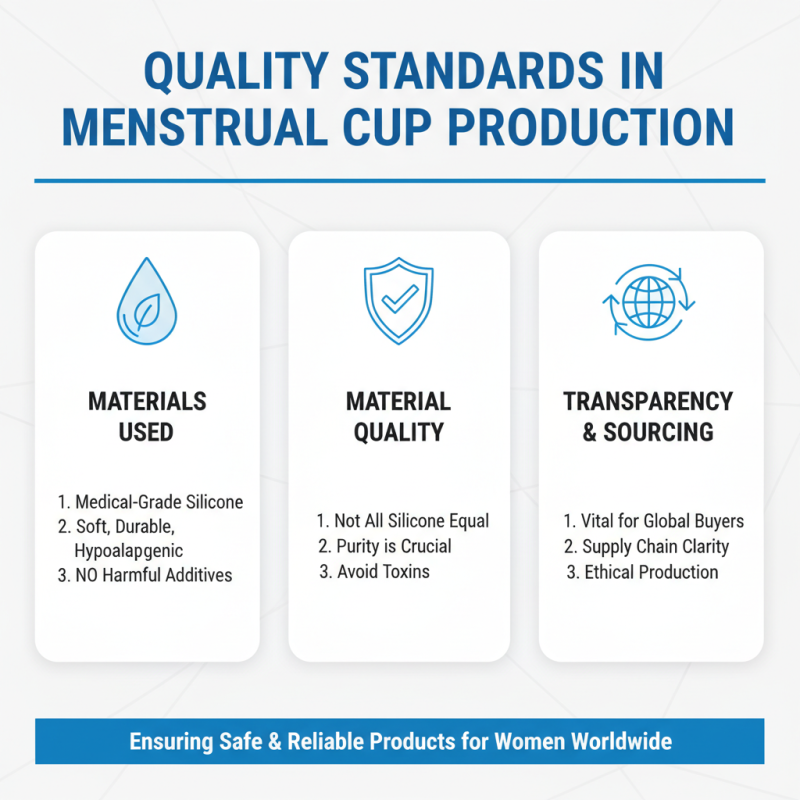
When discussing quality standards in the production of menstrual cups, it's crucial to focus on the materials used. Many manufacturers rely on medical-grade silicone. This material is soft, durable, and hypoallergenic. However, not all silicone is created equal. Some may contain harmful additives. Transparency in sourcing is vital for global buyers.

Certification plays a significant role in ensuring safety. Products labeled as "Copas Menstruales Certificadas" go through rigorous testing. They meet international health standards. This certification builds trust with consumers and differentiates reliable brands from others. Yet, the certification process can vary by region, leaving some gaps.

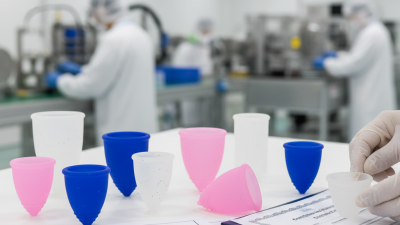
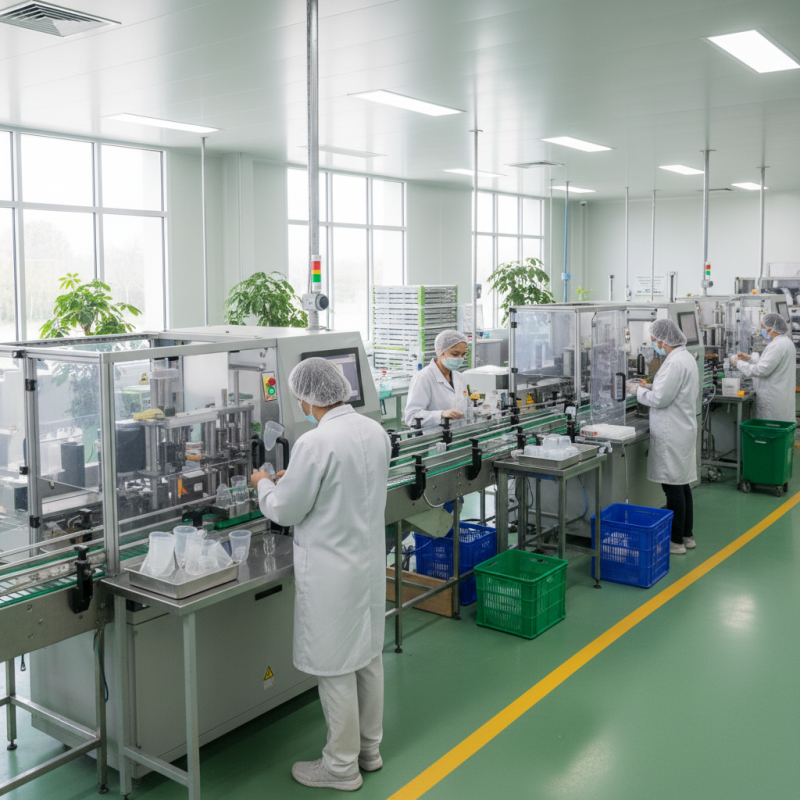
Manufacturing processes also affect quality. Companies should follow strict hygiene protocols. Contamination can lead to serious health issues. Regular audits and third-party inspections help maintain these standards. Buyers must be vigilant. They should always seek detailed information on production practices to ensure they choose safe options.

Sustainability Practices Among Menstrual Cup Factories

Sustainability is a pressing issue in the production of copas menstruales. Many factories today strive to minimize their environmental impact. They focus on using eco-friendly materials and adopting sustainable manufacturing processes. This includes reducing water usage and minimizing waste during production. Some factories even practice circular economy principles. They encourage recycling and aim for zero waste production.

However, not all factories meet high sustainability standards. Some may claim eco-friendliness but fail to provide transparent practices. Buyers should research factory certifications and manufacturing processes. This research can help identify which producers genuinely prioritize sustainable practices.

Quality and safety also matter. A factory may be environmentally conscious but must also adhere to health regulations. Materials used in copas menstruales should be safe for long-term use. Factories that prioritize both sustainability and safety can help responsible consumers make informed choices. In the end, choosing the right supplier requires careful consideration of multiple factors.

Comparative Analysis of Pricing Strategies in Menstrual Cup Manufacturing

In the competitive landscape of menstrual cup manufacturing, pricing strategies play a crucial role in attracting global buyers. According to a recent industry report, nearly 45% of consumers prioritize affordability when choosing menstrual products. This indicates that manufacturers must find a balance between quality and cost. An effective pricing strategy should consider production costs, supply chain efficiency, and market demand.

Various factors influence pricing strategies. For instance, the material used in menstrual cups can vary greatly in cost, affecting the final price. Silicone cups, for example, are often priced higher due to manufacturing complexities. Yet, they might offer better durability and hygiene standards. Conversely, cups made from thermoplastic elastomers may be cheaper but come with concerns regarding safety and longevity. Understanding these trade-offs is essential for manufacturers aiming to cater to diverse market segments.

Market analysis suggests that around 30% of consumers are willing to pay a premium for eco-friendly products. This highlights an opportunity for manufacturers to develop sustainable pricing strategies. However, they must also reflect on the potential backlash from segments that prioritize cost over eco-friendliness. Constructive feedback from customers can help refine these strategies, ensuring they align with evolving consumer values.

What is the Best Copas Menstruales Factory for Global Buyers? - Comparative Analysis of Pricing Strategies in Menstrual Cup Manufacturing

Factory Location Average Price per Cup (USD) Production Capacity (cups/month) Material Used Certifications
China $1.50 500,000 Medical Silicone ISO, CE
India $2.00 300,000 Hypoallergenic Rubber ISO, FDA
Brazil $2.50 200,000 TPR Material ISO, GMP
USA $3.00 100,000 Medical Grade Silicone FDA, NSF

Shipping and Distribution Considerations for Global Buyers

Shipping and distribution are crucial for global buyers of menstrual cups. Understanding various shipping options can significantly impact delivery times. Data shows that 50% of global buyers prefer reliable courier services. Fast shipping can improve customer satisfaction and increase repeat purchases.

When evaluating Copas Menstruales Manufacturers, it's essential to consider logistics. Factors like customs clearance and potential tariffs influence costs. For example, a report from the International Trade Centre highlights that tariffs can add up to 25% to import costs. This can deter buyers from selecting manufacturers with higher shipping rates.

Buyers should also assess fulfillment centers' locations. A well-positioned center can reduce transit times. A study indicates that 70% of consumers value quick delivery. However, some manufacturers may not have efficient distribution networks. This imperfection could lead to longer lead times, affecting customer trust. Global buyers must weigh these considerations carefully.

FAQS

: What are menstrual cups made of?

: They are typically made from medical-grade silicone or rubber.

How do menstrual cups work?

Menstrual cups collect menstrual flow rather than absorbing it.

How long can menstrual cups be worn?

They can be worn for 8 to 12 hours, depending on individual flow.

Why is proper sizing important?

Incorrect sizing can lead to leaks, a common frustration for users.

What is the cleaning process for menstrual cups?

Regular sterilization is necessary to keep the cup hygienic and functional.

Why do some users struggle with insertion?

Insertion may require practice and patience; it’s a learning curve for many.

What should you look for in a manufacturer?

Experience, quality assurance, and customer service are key factors to consider.

Are all menstrual cup factories sustainable?

No, not all factories meet high sustainability standards despite claims.

How can buyers verify a manufacturer's practices?

Researching certifications and feedback from previous buyers can provide insights.

What is essential for buyer decision-making?

Careful consideration of sustainability, quality, and safety is crucial.

Conclusion

This article provides a comprehensive overview of menstrual cups, specifically focusing on the factors that global buyers should consider when selecting a copas menstruales factory. It outlines key aspects such as understanding the production quality standards and sustainability practices that reputable manufacturers should adhere to. Additionally, it evaluates top global manufacturers, discusses pricing strategies, and addresses shipping and distribution considerations important for international clients.

In the current market, navigating through various options can be overwhelming for buyers. Thus, the article emphasizes the importance of choosing a copas menstruales factory that not only meets quality and ethical standards but also offers competitive pricing and efficient distribution methods. Ultimately, making informed decisions in selecting a manufacturer can greatly impact the satisfaction and sustainability of menstrual product usage globally.
Clara

Clara

Clara is a dedicated marketing professional at Shaanxi Xinrui Zhiyuan International Trade Co., Ltd., where she leverages her extensive expertise to enhance the company’s presence in the international market. With a deep understanding of the company’s product offerings, Clara plays a crucial role in......
Previous How to Choose the Best Copas Menstruales Factory for Your Needs?