Lately, more women have been turning to Menstrual Cups, and honestly, it's not too surprising. According to a report from Grand View Research, the global market for these cups is expected to hit around $2.27 billion by 2025 — that’s a pretty clear sign people are really starting to accept these eco-friendly options. Dr. Emily Johnson, a gynecologist who’s super into women’s health, mentions, "Menstrual cups can seriously be a game-changer for women. They’re not just good for the planet, but they’re also safe and save you money in the long run."
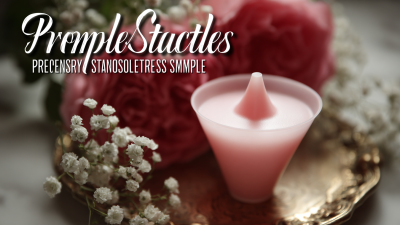
For example, the Tulip Cup Menstrual Cup (you can check it outhere) offers a bunch of benefits. It can hold more fluid than pads or tampons, which is pretty handy if you have a heavy flow or want to go longer without changing. Many women who try switching to a cup say they feel more secure and don’t have to worry as much about leaks anymore. Plus, some find that inserting and removing the cup isn’t as tricky as they expected — it’s often easier than they thought!
That said, it’s totally normal if a menstrual cup isn’t your thing. Not everyone finds it easy to insert or remove at first, and that’s okay! The key thing is to do your research and pick a product that feels right for you. As Dr. Johnson points out, "Listening to your body is really what makes the whole experience better." Knowing the pros and cons can help you make smarter choices when it comes to managing your menstrual health — it’s all about finding what works best for you.

Benefits of Menstrual Cups: An Overview
Menstrual cups have become a popular choice for many women. They offer various benefits that increase comfort and convenience during menstruation. These flexible cups are made from medical-grade silicone or rubber. They collect menstrual fluid rather than absorbing it. This feature can lead to fewer leaks and a longer wear time compared to traditional methods.
Many women find menstrual cups to be more cost-effective. A single cup can last for years with proper care. This means fewer trips to the store for supplies. Moreover, menstrual cups are eco-friendly. Using one can significantly reduce waste, as they are reusable and decrease the amount of single-use products in landfills.
Choosing the right cup can feel overwhelming. Consider starting with the G Cup Menstrual Cup, which is designed for comfort and ease of use. If you're new to menstrual cups, try practicing insertion and removal in a relaxed position. This can make a significant difference. Stay patient as you learn; it may take several cycles to adjust.
Environmental Impact of Using Menstrual Cups
Menstrual cups have surged in popularity, not just for their health benefits but also for their environmental impact. Disposable menstrual products, like pads and tampons, generate significant waste. Each year, billions of these products end up in landfills, taking hundreds of years to decompose. In contrast, menstrual cups are reusable for several years, drastically reducing waste.
The environmental footprint of menstrual cups also extends to their production. Unlike disposable products, which require constant manufacturing and packaging, menstrual cups need fewer resources over time. A single cup can replace thousands of tampons and pads, making it a sustainable choice. However, some might argue that the initial purchase feels expensive. This perception hinders many women from making the switch. Yet, considering the long-term savings and reduced waste, menstrual cups present a compelling argument.
While menstrual cups are a more eco-friendly option, they are not without challenges. Users often face a learning curve when first using them. Some may find it uncomfortable, while others may struggle with insertion and removal. Acknowledging these difficulties is essential for improving feminine hygiene experiences. Overall, the transition to menstrual cups encourages not just personal health, but a gradual shift towards sustainability.
Health Advantages Associated with Menstrual Cups
Menstrual cups have gained popularity for their health advantages. Studies show they can reduce the risk of infection. Unlike tampons, they do not absorb menstrual fluid, which helps maintain natural pH levels. A report from the National Health Service indicated that menstrual cups can decrease toxic shock syndrome risks, a rare but serious condition linked to tampon use.
Using menstrual cups like the Silky Cup Menstrual Cup can also result in less waste. Traditional products contribute to significant landfill waste each year. One study found that using a menstrual cup can significantly lower the environmental impact during a woman’s reproductive life. Though some users report a learning curve, many appreciate the sustainability aspect.
Comfort is another factor. Research shows that when fitted correctly, menstrual cups provide a leak-proof experience for up to 12 hours. However, some women experience initial discomfort. Adjusting to the cup's placement may take time. Understanding these nuances will enhance the overall experience and highlight the personal journey in menstrual health.
What Are the Benefits of Using Menstrual Cups for Women?
| Benefit | Description |
| Cost-Effective | Menstrual cups can be reused for several years, reducing the expense of purchasing disposable products. |
| Eco-Friendly | Using a menstrual cup produces less waste compared to pads and tampons, contributing to environmental conservation. |
| Longer Wear Time | Menstrual cups can be worn for up to 12 hours, allowing for more flexibility during activities. |
| Reduced Risk of Toxic Shock Syndrome | Menstrual cups are associated with a lower risk of TSS compared to tampons when used correctly. |
| Comfortable | Once inserted properly, many users find menstrual cups more comfortable than tampons or pads. |
| Variety in Sizes | Menstrual cups come in various sizes and shapes, allowing users to find the best fit for their body. |
Cost-Effectiveness of Menstrual Cups Compared to Other Products
Using menstrual cups has gained popularity due to their cost-effectiveness compared to traditional products. A single Soft Cup Menstrual Cup can last for years, saving significant money over time. In contrast, disposable pads and tampons can quickly add up in cost. Many women spend hundreds of dollars annually on these products. Menstrual cups eliminate regular purchases, making them an economical choice.
When it comes to environmental impact, reusability plays a major role. The production of disposable menstrual products contributes to landfill waste. By choosing a Soft Cup Menstrual Cup, you reduce your carbon footprint. This transition benefits your wallet and the planet. It’s essential to weigh the initial investment against long-term savings.
Tips: Consider practicing insertion and removal during your cycle. This helps you adjust to a new routine. Additionally, read user experiences online to learn various techniques. Everyone's body is different, so don’t be discouraged if it takes time to find what's comfortable for you.
Convenience and Comfort of Menstrual Cups for Daily Use
Menstrual cups offer a unique blend of convenience and comfort that many women appreciate. They are reusable, which makes them eco-friendly. One cup can last for years, reducing waste compared to disposable products. This longevity also means fewer trips to the store. Many women find this to be a practical solution to their menstrual needs.
Comfort is another significant advantage. Menstrual cups can be worn for up to 12 hours. This allows for freedom during long days or overnight use. The soft, flexible material also adapts to the body, often feeling less intrusive than tampons or pads. However, some women may require time to find just the right fit. Adjusting may take practice, but many report increased comfort once they do.
Daily use brings its own challenges. Some may experience leaks if the cup is not positioned correctly. Learning how to insert and remove the cup can be tricky at first. Taking time to understand body anatomy helps in this process. Open discussions among friends or online communities can provide valuable insights. Embracing these challenges can make the experience worthwhile.
Menstrual Cups: Myths and Facts
Menstrual cups are becoming popular as an alternative to traditional products. Despite their benefits, many myths surround them. One common myth is that menstrual cups can cause toxic shock syndrome (TSS). However, studies show that the risk is minimal when used properly. According to the American Journal of Obstetrics and Gynecology, the risk of TSS is not greater with menstrual cups than with tampons.
Another misconception is that inserting menstrual cups is painful. In reality, many users report that they feel comfortable once they master the technique. The Safe Cup Menstrual Cup offers flexibility and can adapt to individual anatomy, easing the transition into use. A 2021 survey indicates that 72% of users experience improved comfort compared to pads and tampons.
When transitioning to a menstrual cup, practice makes perfect. Finding a comfortable position for insertion is key. Some suggest trying different postures to discover what works best. Hygiene is crucial, so always wash your hands before handling the cup. Many women find using a small amount of water-based lubricant can help with insertion.
While menstrual cups have an environmental edge, they may not suit everyone. Users should consider their lifestyle and comfort levels. Education is vital for dispelling these myths and supporting informed choices.
How to Properly Use and Care for Menstrual Cups
Menstrual cups are a popular alternative to traditional feminine hygiene products. Proper use and care are crucial for maximizing their benefits. Begin by ensuring your hands are clean before insertion. You can fold the cup in various ways to make it easier to insert. Many women find the C-fold or Punch-down fold effective. Once inserted, it should sit lower in the vagina than a tampon and create a seal, preventing leaks.
Cleaning your menstrual cup is vital. Rinse it with warm water and mild soap after each use. Boil it in water for about five to ten minutes at the start and end of your cycle. This process helps eliminate bacteria and odors. According to a report by the Menstrual Health Alliance, using menstrual cups can reduce waste significantly—up to 8,000 pads and tampons per user over their lifetime, thus benefiting the environment. However, some women face challenges with comfort and leaks during their initial use, highlighting the need for practice and adjustment.
Listening to your body is important. Repositioning the cup may help if you experience discomfort. Regular checks during wear can prevent leaks and ensure proper placement. Personal experiences vary, and it’s essential to communicate openly about challenges faced. Engaging with communities can provide support and tips for overcoming issues.
Exploring Menstrual Health Solutions: Impact of the Dewdrop Menstrual Disc on Cramps and Vaginal Comfort in Women
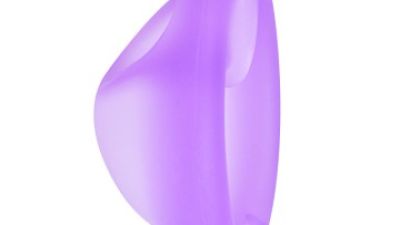
The Dewdrop Menstrual Disc is revolutionizing the way women experience menstrual health, particularly in alleviating cramps and enhancing vaginal comfort. Unlike traditional menstrual products, this disc features a simple yet effective design that minimizes discomfort during wear. Crafted to fit the contours of the body seamlessly, it provides gentle support, thereby reducing menstrual pain. The innovative structure of the Dewdrop Disc is particularly suited for those who seek an alternative to disposable options, promoting both comfort and sustainability.
One of the key advantages of the Dewdrop Menstrual Disc is its practicality. With finger-size holes facilitating easy removal, this product eliminates the struggle often associated with traditional menstrual cups. Its user-friendly design ensures that women can manage their periods with confidence and ease, allowing them to engage in daily activities without distraction. Additionally, the reusable nature of the menstrual disc contributes to decreased environmental waste, making it a responsible choice for health-conscious individuals.
By addressing common menstrual discomforts, the Dewdrop Menstrual Disc stands out as a remarkable solution for women seeking relief from cramps and enhanced comfort. Its straightforward design and ease of use empower women to take control of their menstrual health, leading to a more positive and unencumbered experience during their periods.
FAQS
: Menstrual cups are made from medical-grade silicone or rubber. They are flexible and safe for use.
Menstrual cups collect menstrual fluid rather than absorbing it. This helps reduce leaks and increase wear time.
Yes, a single cup can last for years, saving money compared to disposable pads and tampons.
Menstrual cups are reusable, significantly decreasing landfill waste from single-use products.
Ensure your hands are clean. Try folding the cup in different ways, like the C-fold, for easier insertion.
Rinse it with warm water and mild soap after each use. Boil it for about five to ten minutes periodically.
Listening to your body is crucial. Reposition the cup to find comfort and prevent leaks.
It may take several cycles to get used to a menstrual cup. Practice and patience are key to success.
Engage with communities for support. Sharing experiences can provide helpful tips and reassure you through challenges.
Not everyone finds it suitable initially. Individual experiences vary, and patience may be needed for comfort.
Conclusion
Menstrual cups have gained popularity as a sustainable alternative for menstrual hygiene management, offering a range of benefits for women. Firstly, they significantly reduce environmental impact by minimizing waste associated with disposable products. Additionally, menstrual cups are associated with various health advantages, as they can decrease the risk of irritation and infections. They are also cost-effective over time, as one cup can last for several years, making it a budget-friendly option compared to traditional products.
Moreover, menstrual cups provide convenience and comfort, fitting seamlessly into a woman's daily routine. Despite some myths surrounding their use, proper education on how to use and care for menstrual cups can alleviate concerns. Overall, menstrual cups represent a practical, eco-friendly, and health-conscious choice for menstruation management.