Lately, Menstrual Cups have really started to shine as a more eco-friendly alternative to the traditional period products we've known forever. You see, more folks are becoming aware of just how much waste disposable pads and tampons create, and that’s part of what’s making menstrual cups so popular. If you’re thinking about diving into this market, it’s pretty important to understand what makes these cups, especially those from top players like Xi'an Furuize Biotechnology Co., Ltd., so appealing. With over 12 years of experience under their belt, Furuize has really made a name for itself as one of China's leading menstrual cup manufacturers — and for good reason. They’re all about offering high-quality, eco-friendly options that help both the environment and your wallet.
The perks of menstrual cups are pretty darn impressive — they’re reusable, which saves you money over time, and they help cut down on waste. As companies like Furuize keep pushing the envelope with new designs and improvements, users can look forward to wearing cups that are more comfortable and reliable than ever before. If you're an entrepreneur eyeing this fast-growing niche, teaming up with experienced manufacturers like Furuize can give you a serious edge — you'll get access to top-notch products and valuable industry insights too. Jumping into the world of menstrual cups isn’t just about staying trendy; it’s a meaningful step towards better reproductive health and environmental sustainability. It’s kind of amazing to think how this craze is shaping the future of Period Care for generations to come.
How Menstrual Cups Contribute to Sustainable Menstrual Care
You know, menstrual cups have really been gaining popularity these days as a more eco-friendly alternative to the usual pads and tampons. It’s pretty cool because they’re a sustainable option that can make a big difference in how we handle our periods. Plus, some recent studies show that a single cup can last up to ten years—yeah, a whole decade! That means less waste since disposable products often stick around for hundreds of years, polluting our planet. This whole shift isn’t just good for the environment; it’s also meeting the growing demand from consumers who want more eco-conscious choices. Companies like Xi'an Furuize Biotechnology Co., Ltd. are stepping up to provide those solutions.
If you’re thinking about jumping into the menstrual cup game, it’s good to know that the market is expected to keep growing. Experts say it could go from around $1.5 billion in 2021 to over $3 billion by 2026. Furuize, with over 12 years of experience making high-quality products, offers some really valuable insights—perfect if you’re looking to build your own brand.
And a quick tip for everyone considering sustainable period care: when you pick out a menstrual cup, go for one made from medical-grade silicone. It’s safe, recyclable, and just generally a smarter choice. Also, teaching folks how to use and care for their cups properly can really make a difference in their experience and help spread the sustainability vibe. Honestly, it’s all about making small changes that add up to a big positive impact.
Understanding the Benefits of Menstrual Cups for Sustainable Period Care
The following chart illustrates the benefits of using menstrual cups compared to traditional menstrual products in terms of environmental sustainability and cost-effectiveness. Data reflects the average impact over a typical menstrual cycle.
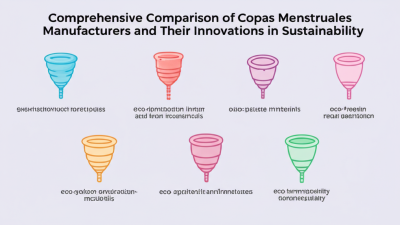
Top Manufacturers of Menstrual Cups and Their Unique Offerings
The menstrual cup market has really been growing lately. In 2024, it’s valued at around $1.5 billion, and experts are betting it’ll reach about $2.48 billion by 2032. A big reason for this jump? More people are turning to eco-friendly options for their period care, and there's a growing awareness about menstrual health in general. Top brands are stepping up with cool, innovative products that not only make using them better but also more sustainable. They’re offering all sorts of features to suit different needs and preferences—that way, everyone finds something that works for them.
It’s not just about making better products, though. Companies are also really focusing on menstrual equity. They’re working on more affordable prices and launching community programs to help break down the stigma around periods. You’ve probably heard about recent laws in places like Florida and Idaho that aim to make menstrual products more accessible and educate folks about menstruation. As these brands push for inclusivity and better access, they’re playing a big part in creating a fairer, more open space for all people who experience periods. All of this really helps to grow awareness and acceptance of menstrual cups as a legit, eco-friendly option for managing periods.
Step-by-Step Guide: How to Choose the Right Menstrual Cup for You
When you're trying to pick the right menstrual cup for you, there are a few things to think about—like size, softness, and how much it can hold. I read somewhere from the Menstrual Health Alliance that more than 80% of people say that a comfy fit really makes a difference, helping to prevent leaks and making everything feel more natural. Usually, smaller cups are great for younger folks or if you have a lighter flow. On the other hand, bigger or firmer cups tend to work better if you have a heavier flow or you've already had kids.
Figuring out your flow and what your lifestyle looks like is super important here. For example, if you're pretty active or into sports, a firmer cup might be more reliable for not leaking. Plus, most brands mention that you can wear their cups for up to 12 hours—so they’re pretty much a long-lasting, eco-friendly alternative to pads or tampons, which need changing more often. It’s kind of nice because it means less hassle and less waste, especially since a good menstrual cup can last for years with proper care.
Comparison of Menstrual Cups vs. Traditional Period Products
Have you noticed how menstrual cups are really gaining popularity as a more eco-friendly alternative to the usual period products? It’s pretty interesting—according to a report by Grand View Research, the global market for menstrual cups was worth around $1.1 billion back in 2021, and it's only expected to grow. That really shows how more people are becoming aware of making greener choices when it comes to their period care. Unlike the disposable pads and tampons that take hundreds of years to break down, these cups can be reused for up to ten years! Not only does that mean less waste cluttering up landfills, but it also adds up to some serious savings over time.
And let’s be honest, they’re more comfortable too. There was a study published in the American Journal of Obstetrics and Gynecology that found women using cups tend to experience less vaginal dryness and odor because the cup forms a seal that stops leaks without absorbing all the natural moisture. It’s pretty cool how such a simple switch can boost comfort and health.
Speaking of quality, there's a Chinese company called Xi'an Furuize Biotechnology Co., Ltd., with over 12 years of experience under their belt. They're dedicated to making high-quality menstrual cups that focus on women’s health and sustainability. As more and more people want to make smarter choices about their period care, Furuize is definitely in a good spot to support brands entering this fast-growing market.
Tips for Proper Care and Maintenance of Your Menstrual Cup
Taking good care of your menstrual cup is super important—not just for hygiene, but also to make it last longer. Heard from the folks at the Menstrual Health Alliance that if you look after it properly, your cup can actually last up to ten years! That’s pretty amazing and means you’re reducing tons of waste from disposable products. So, here’s a little tip: always rinse your cup with warm water before and after using it. And if you wanna give it a really thorough clean, just boil it in water for about five to ten minutes before your period starts. This helps kill any bacteria and keeps the silicone or rubber in good shape.
Oh, and don’t forget about how you store it. Keeping your cup in a breathable pouch made of cotton or some natural fabric is the way to go. It stops moisture from building up, which could lead to mold—gross, right? The World Health Organization emphasizes that good menstrual hygiene isn’t just about feeling clean, but also about health, dignity, and wellbeing. Taking care of your cup is part of that, plus it’s an eco-friendly move—one cup can save thousands of single-use products from ending up in landfills over its lifetime. All in all, just a bit of regular maintenance goes a long way.
Understanding the Environmental Impact of Using Menstrual Cups
Lately, more folks are talking about menstrual cups, and honestly, it’s easy to see why. Not only are they pretty convenient, but they’re also a win for the environment. You know how pads and tampons get thrown out all the time and end up filling up landfills? Well, menstrual cups are reusable, which means you can use them for up to ten years if you take good care of them. That’s a huge difference—it helps cut down on waste, plus it’s better for the planet since we’re not constantly manufacturing and shipping single-use products.
When you think about the eco benefits, it’s worth considering what they’re made of too. Most menstrual cups are crafted from medical-grade silicone, latex, or thermoplastic elastomer—materials that are generally kinda more eco-friendly compared to the stuff in disposable pads and tampons. Plus, since you use a cup for years, the water and resources needed to make and dispose of traditional menstrual products are way less. So, in the long run, it’s a pretty smart move for Mother Earth.
**Pro tip:** If you’re thinking about making the switch, start by picking a reliable brand that cares about sustainability. Reading reviews and figuring out which size and style will work best for you can really help. And don’t forget to learn proper usage and cleaning tips—this way, you’ll have a smoother experience, and you’ll be doing something good for the environment at the same time.
Understanding the Benefits and Features of the Easy Menstrual Cup - The Ideal Choice for Sensitive Users
The Easy Menstrual Cup is designed with sensitive users in mind, making it an ideal choice for those who prioritize comfort and ease of use during their menstrual cycle. The unique fingerprint anti-slip design of the Easy Cup enhances grip and control, drastically simplifying the insertion and removal process. According to research from the Journal of Obstetrics and Gynaecology, reusable menstrual cups can provide up to 12 hours of leak-free protection, making them a practical alternative to traditional sanitary products. This means users can enjoy more freedom during their day-to-day activities without the constant worry of changing pads or tampons.
The incorporation of medical-grade silicone in the Easy Cup is another standout feature, ensuring that the product is both safe and durable. A study published in the Journal of Women's Health found that menstrual cups have a lower risk of Toxic Shock Syndrome (TSS) compared to tampons. This makes the Easy Cup not only a responsible choice for the environment, due to its reusability, but also a safer option for women's health. Furthermore, the Easy Cup's thoughtful design caters specifically to the needs of sensitive users, providing a comfortable fit that can accommodate various body types. With its innovative design features and health benefits, the Easy Menstrual Cup stands out as a preferred option for those who seek a gentle yet effective menstrual management solution.
FAQS
: The menstrual cup market is projected to expand to $2.48 billion by 2032.
The growth is driven by a growing emphasis on eco-friendly period care solutions and increased awareness of menstrual health.
Manufacturers are focusing on affordable pricing strategies and community education initiatives to dismantle the stigma surrounding menstruation.
Smaller menstrual cups are often recommended for younger women or those with lighter flows.
Menstrual cups can be worn for up to 12 hours, while traditional pads and tampons need to be changed more frequently.
Larger or firmer menstrual cups may be better suited for individuals with heavier flows or those who have given birth.
Menstrual cups provide a longer-lasting solution compared to traditional pads and tampons, promoting convenience and environmental sustainability as they can last for several years with proper care.
A comfortable fit significantly enhances the user's experience and reduces leakage, making it crucial to choose the right size and type.
Recent legislative actions in places like Florida and Idaho emphasize the importance of making menstrual products accessible and providing comprehensive information about menstruation.
Individuals with an active lifestyle may find that a firmer menstrual cup provides better security against leaks.
Conclusion
Lately, menstrual cups have been gaining popularity as a more eco-friendly alternative to the usual period products we’re used to. Honestly, they come with quite a few perks—like cutting down on waste and being a long-term solution for anyone who’s on their period. If you're looking into brands, companies like Xi'an Furuize Biotechnology Co., Ltd. really stand out, offering top-notch products backed by years of industry experience.
When you're trying to pick the right cup for yourself, it helps to think about what you actually need and prefer. There are some simple guides out there that can make the process much less overwhelming. Comparing menstrual cups to traditional options makes it pretty clear—they’re not only better for the environment but also more comfortable and often cheaper in the long run. Just a heads-up though, taking good care of your cup and maintaining it properly is key to making it last. Overall, understanding how much of a positive impact menstrual cups can have on the environment really just cements their place as a smart, sustainable choice—whether you're a consumer or a manufacturer trying to do better by the planet.