Leave Your Message
0%

So, picking a reliable Menstrual Cup Factoryisn’t just about price tags or pretty product photos. The global Menstrual Cup market is growing, sure — but the published estimates vary a lot because researchers don’t all define the category the same way. Grand View Research and Fortune Business Insights both predict strong growth through 2030. That growth pulls in experienced manufacturers... and also plenty of inexperienced suppliers. And the real difference? Sometimes it’s hiding inside a single silicone sample.

A practical way to evaluate a factory is to look at seven things: medical-grade material, mold precision, testing records, production hygiene, customization ability, quality control, and communication. Back in 2019, a Lancet Public Health review looked at 43 studies with 3,319 participants. It found menstrual cups gave leakage protection similar to disposables, and serious adverse events were rare. But safety still depends on design, materials, user instructions, and manufacturing controls. So a factory should hand over traceable documentation, not just a certificate image.

Take a close look at the production floor. Are raw materials labeled? Are molds clean and consistently finished? Can the supplier explain batch testing without hesitating? ISO 13485 experience can point to stronger medical-device processes, though certification alone doesn’t guarantee every product is great. That distinction matters. A factory can pass an audit and still be terrible at communication. It can also send a lovely sample that doesn’t represent mass production. Ask for independent test reports, defect-rate records, packaging controls, and a sample from a recent batch. These seven tips aren’t a magic formula. They’re just a practical starting point for lowering avoidable risk and finding a Menstrual Cup Factory that cares more about evidence than promises.
7 Tips for Choosing a Menstrual Cup Factory?

Define Your Menstrual Cup Product and Factory Requirements

Define your menstrual cup product before contacting a factory. Choose the silicone grade, cup capacity, firmness, rim shape, stem length, sizes, color, and packaging format. UNICEF estimates that around 500 million people lack adequate menstrual health facilities and products. This gap increases demand for safe, reusable designs. Your specification should include user testing, leak checks, odor inspection, and clear care instructions.

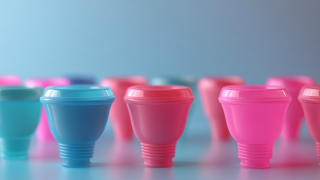
Tip 1: Turn comfort into measurable requirements.Record dimensions in millimeters, target weight, hardness range, and acceptable production variance. A Soft Cup may suit sensitive users, while a firmer rim can improve opening. Do not guess. Test different body types and flow levels.

Tip 2: Screen the Copa Menstrual Factory through evidence, not polished samples. Request material certificates, batch traceability, pre-production samples, and independent testing records. ISO 10993-related biocompatibility assessment may support skin-contact safety, while ISO 13485-style quality controls can reveal process discipline. These standards do not replace local regulatory review. I would also check mold maintenance, inspection frequency, minimum order quantity, and lead times. The cheapest quote may hide weak controls. That mistake is easy to make. Ask how defects are handled, photographed, recorded, and corrected before shipment. Unclear answers are useful warnings.

Verify Factory Experience in Menstrual Cup Manufacturing

7 Tips for Choosing a Menstrual Cup Factory

Factory experience should be verified through evidence, not confident sales language. Ask how many years the facility has produced menstrual cups specifically. General silicone experience is useful, but it does not prove product expertise. Request anonymized production records, mold development examples, and explanations of past manufacturing problems.

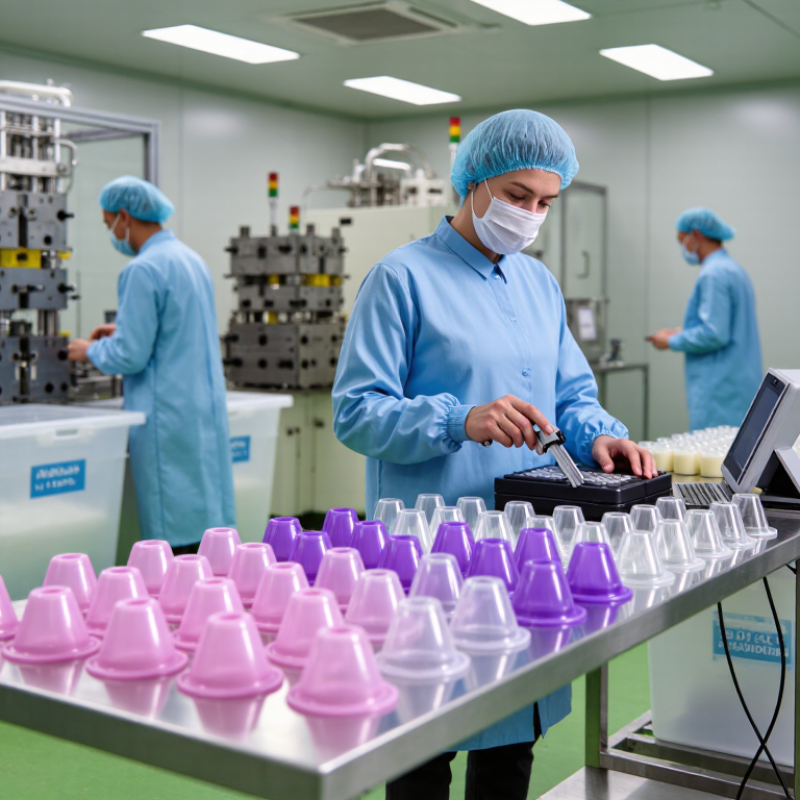
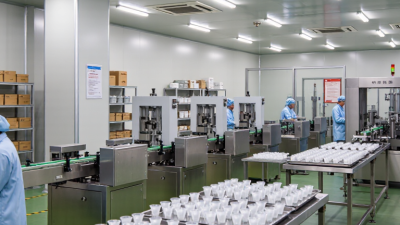
Visit the factory if possible. Observe clean production areas, silicone preparation, molding, trimming, inspection, and packaging. Experienced teams can explain how they control wall thickness, firmness, shape accuracy, and surface finish. Ask about material documentation and whether each incoming batch is traceable. Review quality procedures, staff training records, equipment maintenance logs, and inspection reports. Short answers can be revealing.

Ask for samples from different production lots. Compare dimensions, texture, odor, color consistency, and firmness. Independent laboratory testing may help verify material safety and physical performance. Confirm that the factory understands the quality requirements in your target market. Certificates should be current and match the actual manufacturing site. A certificate alone is not enough.

Discuss defect handling openly. What happens when a batch fails inspection? How are molds corrected? Can the factory identify the affected lots? Reliable manufacturers provide clear answers and realistic production limits. Be cautious when every answer sounds perfect. Real manufacturing includes adjustments, rejected units, and occasional delays. One lesson is easy to miss: a factory that admits weaknesses may be more trustworthy than one hiding them.

Assess Materials, Safety Standards, and Product Quality

7 Tips for Choosing a Menstrual Cup Factory

Choosing a menstrual cup factory requires more than comparing prices. Start by checking the material. Medical-grade silicone is widely used, but the formulation must be clearly documented. Ask whether the factory also handles TPE or latex, especially when allergy risks matter. Request material certificates, supplier records, and independent biocompatibility reports. Do not accept vague claims such as “premium quality.” Ask for evidence.

Review the factory’s safety system and production environment. Look for documented hygiene procedures, controlled molding areas, and trained quality staff. Relevant certifications can support credibility, but verify their scope and validity. Check whether testing covers microbial limits, chemical migration, odor, durability, and repeated sterilization. A cup should keep its shape after boiling, without cracks, sticky surfaces, or unusual smells. Small details matter. Inspect the rim, air holes, stem, and cup thickness with measured samples, not photographs.

My early mistake was trusting a polished sample. A perfect first sample can still hide weak process control. Ask for samples from different production batches and compare their weight, flexibility, color, and dimensions. Confirm traceability from raw material to finished product. Factory audits, corrective-action records, and transparent communication reveal more than a sales presentation. Also examine packaging cleanliness and instructions for use. Requirements differ across markets, so consult qualified regulatory professionals before launch. A reliable factory welcomes careful questions, admits limitations, and improves when defects are found.

7 Tips for Choosing a Menstrual Cup Factory? - Assess Materials, Safety Standards, and Product Quality
Tip Assessment Dimension What to Verify Reliable Factory Indicators Warning Signs
1 Material Safety Request the complete material specification, including the cup body, stem, pigments, and any additives. Confirm whether the material is medical-grade silicone, thermoplastic elastomer, or another clearly identified elastomer. ✓ Material identity and composition are documented.
✓ Silicone or elastomer suppliers are traceable.
✓ Pigments and additives are suitable for prolonged skin or mucosal contact.
! “Food-grade” is presented as the only safety claim, with no product-specific testing or material documentation.
2 Biocompatibility Testing Ask for current laboratory reports covering biological safety relevant to the intended use, such as irritation, sensitization, and cytotoxicity assessments. ✓ Testing is performed by a competent, independent laboratory.
✓ Reports identify the tested material, product, lot, methods, and results.
✓ The evaluation follows applicable parts of the ISO 10993 series.
! A generic certificate is supplied without the tested product name, test method, date, or laboratory details.
3 Product-Specific Standards Check whether the factory designs and tests menstrual cups against ISO 3533:2021, which addresses menstrual cup requirements and test methods. ✓ The factory can provide a standard-based test plan or technical file.
✓ Tests cover dimensions, physical performance, leakage-related characteristics, cleanliness, and labeling where applicable.
! The factory claims “ISO certified” without identifying the exact standard, scope, certificate holder, or audited site.
4 Quality Management System Review the factory’s quality system, production controls, inspection procedures, corrective-action records, and lot traceability. ISO 13485 certification may be relevant when the product is managed within a medical-device quality system. ✓ Documented procedures control purchasing, production, inspection, nonconforming products, and complaints.
✓ Each production lot can be traced to materials, operators, equipment, and inspection records.
! The certificate belongs to a different facility, has an unclear scope, or cannot be verified with the issuing certification body.
5 Manufacturing Hygiene Inspect molding, trimming, washing, drying, packing, and storage controls. Menstrual cups are reusable intimate products, so surface cleanliness and prevention of contamination are essential. ✓ Controlled production areas and documented cleaning schedules.
✓ Finished products are inspected for flash, sharp edges, particles, odor, deformation, and visible defects.
✓ Packaging protects the product from contamination before first use.
! Products are handled on unclean surfaces, packed while visibly wet, or stored without protection from dust and chemicals.
6 Performance and Durability Evaluate opening behavior, rim and stem integrity, dimensional consistency, compression recovery, seam or surface quality, and resistance to repeated cleaning according to the intended instructions. ✓ Approved samples match mass-production samples.
✓ Critical dimensions and hardness or flexibility ranges are defined.
✓ Validation considers repeated use and cleaning conditions stated in the instructions.
! The factory changes material hardness, tooling, pigment, or dimensions without documented approval and re-testing.
7 Documentation and Regulatory Support Confirm that the factory can provide a technical file or equivalent product documentation, risk assessment, labeling information, user instructions, batch records, and complaint-handling support. ✓ Instructions include insertion, removal, cleaning, storage, maximum recommended wear time, and warnings.
✓ Claims are supported by test evidence and are adapted to the target market’s regulations.
✓ Change control and post-market complaint procedures are documented.
! The factory promises regulatory approval automatically or uses unsupported claims such as “100% safe,” “zero allergy,” or “leak-proof for everyone.”

Review Manufacturing Capacity and Production Processes

7 Tips for Choosing a Menstrual Cup Factory

A capable Menstrual Disc Factory should show more than attractive samples. Ask for monthly capacity, active molding machines, shift schedules, and recent delivery records. Production claims need evidence. Review batch records, machine maintenance logs, and rejected-unit rates. A factory producing 100,000 units monthly may struggle with a sudden 300,000-unit order. Capacity must match your forecast.

Tip 1: Inspect the production flow. Medical-grade silicone or suitable elastomer should move through controlled mixing, injection molding, trimming, washing, inspection, and packaging. Check whether each lot has traceable material records. ISO 13485 principles can support stronger process control, even when certification requirements vary by market. Tip 2: Request process capability data. Measurements should cover rim diameter, thickness, firmness, weight, and surface defects. A digital caliper and sampling plan are not impressive alone. The records must be consistent.

Tip 3: Examine cleanliness controls closely. The 2024 WHO/UNICEF JMP report found that only 39% of schools globally provide menstrual health education. Product quality therefore matters in real-world use, especially where users may have limited guidance. Ask about washing validation, contamination controls, packaging integrity, and shelf-life testing. Tip 4: Review failure handling. The factory should document complaints, root-cause analysis, corrective actions, and recall readiness. A perfect factory sounds suspicious. Honest gaps, clearly managed, are more useful than polished promises.

Check Customization, Packaging, and Private Label Options

Choosing a Period Cup Factory requires more than comparing unit prices. UNICEF reports that about 1.8 billion people menstruate globally, while roughly 500 million lack adequate menstrual health services. A reliable factory should understand comfort, hygiene, and user safety. Ask for silicone specifications, material testing, mold accuracy, and batch traceability. Request samples in different sizes and firmness levels. Test them with real users, not only on a neat spreadsheet. Small flaws matter.

Customization should cover color, dimensions, logo placement, and user instructions. Confirm whether pigments and silicone meet the requirements of your target market. Packaging deserves equal attention. OECD data shows global plastic waste doubled from 2000 to 2019, so avoid oversized boxes and unnecessary inserts. Consider recyclable cartons, clear disposal guidance, and protective inner packaging. Do not trust vague “eco-friendly” language. Ask for written material evidence.

Private label production needs stronger controls. Check artwork approval, barcode support, language versions, minimum order quantities, and replacement policies. Each package should show essential details, including lot information, care instructions, and responsible manufacturer contact data. The factory should provide quality records and explain its inspection process. ISO 9001 certification can support consistency, but it does not replace product-specific testing. I would also inspect the production floor personally when possible. Photos can hide problems. The lowest quote may be attractive, yet it often leaves customization fees, packaging revisions, and delays unclear. That is where careful questions protect your launch.

Compare Pricing, Minimum Orders, and Lead Times

Choosing a menstrual cup factory requires more than a low quotation. Grand View Research valued the global menstrual cups market at about USD 1.19 billion in 2023. Its report also projects steady growth through 2030. That growth can pressure factories and extend production schedules.

Tip 1: Request pricing at three quantities. Compare unit cost, tooling, testing, packaging, and freight separately. A low factory price may hide expensive molds or inspection fees.

Tip 2: Check the minimum order quantity. A 10,000-unit MOQ may reduce cost, but it can trap cash in slow-moving stock. Ask whether mixed sizes or colors are allowed.

Tip 3: Confirm payment stages. Protect your budget with a clear deposit, balance, and approval process. Do not rely on one spreadsheet.

Tip 4: Ask for a written lead-time calendar. Separate sampling, mold production, material purchasing, manufacturing, testing, and shipping.

Tip 5: Require production samples from the final mold. Silicone firmness can change between laboratory samples and mass production.

Tip 6: Review quality records, including dimensional checks, visual inspection, and batch traceability. ISO 13485 is a medical-device quality benchmark, but certification alone does not prove every factory performs well.

Tip 7: Compare delivery reliability, not only promised speed. A 25-day quote means little without recent shipment records. Industry estimates often overlook customs delays and rework. I would challenge my own first calculation here. Add contingency time and cash for failed samples, because perfect forecasts are rare.

Evaluate Communication, Samples, and Long-Term Reliability

7 Tips for Choosing a Menstrual Cup Factory?

Communication reveals more than a polished sales presentation. Ask how quickly the factory answers technical questions and handles unclear specifications. Clear replies should include material details, production steps, inspection methods, and realistic lead times. Ask for written records, not only promises. Slow replies often create bigger problems later. A trustworthy Copas Menstruales Factory should explain who manages quality communication. Notice whether different employees provide consistent information.

Request samples from different production batches when possible. Examine the cup’s surface, rim, stem, and firmness under good lighting. Check for uneven edges, trapped particles, strong odors, or inconsistent color. Ask how the silicone is tested and how results are recorded. Do not judge quality by appearance alone. I once approved a sample because it looked smooth and professional. Later, its firmness differed from the approved piece. That mistake showed me why repeated sampling matters.

Long-term reliability depends on systems, not friendly conversations. Ask about batch identification, retained samples, corrective actions, and equipment maintenance. Review the factory’s production history and response to previous quality issues. Discuss packaging protection, storage conditions, and order capacity before making commitments. A dependable supplier should explain what happens when a batch fails inspection. Small weaknesses matter. Still, no factory is perfect, so leave room for honest discussion and measurable improvement.

FAQS

What material should a menstrual cup factory provide?

Ask for documented medical-grade silicone or suitable elastomer formulations. Request material certificates, supplier records, and independent biocompatibility reports. Vague claims are not enough.

How can I check a factory’s hygiene controls?

Review written cleaning procedures, controlled molding areas, and trained quality staff. Ask about washing validation, contamination controls, and packaging integrity. Small details matter.

Which product tests are important?

Testing should cover microbial limits, chemical migration, odor, durability, and repeated sterilization. The cup should keep its shape after boiling. No cracks. No sticky surface. No unusual smell.

How should product samples be evaluated?

Request samples from several production batches, not one polished sample. Compare weight, flexibility, color, dimensions, rim thickness, air holes, and stem shape. Photographs can hide defects.

How can I verify manufacturing capacity?

Ask for monthly capacity, active molding machines, shift schedules, and recent delivery records. Compare capacity with your forecast. A factory may produce 100,000 units monthly but struggle with a sudden larger order.

What production records should a factory share?

Review batch records, machine maintenance logs, rejected-unit rates, and material traceability. Production should include mixing, molding, trimming, washing, inspection, and packaging. Each lot needs clear records.

How can I assess measurement consistency?

Request process capability data for diameter, thickness, firmness, weight, and surface defects. Check measured samples with a digital caliper. One measurement is not enough.

What should happen when defects or complaints appear?

The factory should document complaints, investigate root causes, and record corrective actions. Ask about recall readiness and follow-up checks. A perfect factory sounds suspicious. Honest gaps can be useful.

Conclusion

Choosing the right Menstrual Cup Factory requires more than comparing prices. Start by defining your product requirements, including cup design, sizes, materials, colors, packaging, target market, and required certifications. Then verify the factory’s experience in producing menstrual cups and assess its use of body-safe materials, quality-control procedures, testing methods, and compliance with relevant safety standards. A reliable manufacturer should also have suitable production equipment, consistent processes, and enough capacity to meet your expected order volume.

You should also review customization, private-label, and packaging services, while comparing minimum order quantities, pricing, tooling costs, and lead times. Before making a decision, request samples to evaluate comfort, appearance, durability, and overall quality. Clear communication, responsive service, transparent documentation, and a willingness to solve problems are important indicators of long-term reliability. By assessing every factor carefully, you can select a manufacturing partner that supports consistent quality, efficient production, and sustainable business growth.
Clara

Clara

Clara is a dedicated marketing professional at Shaanxi Xinrui Zhiyuan International Trade Co., Ltd., where she leverages her extensive expertise to enhance the company’s presence in the international market. With a deep understanding of the company’s product offerings, Clara plays a crucial role in......
Previous 2026 Best FDA Approved Menstrual Cup Types for Global Buyers