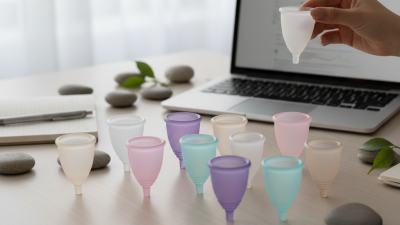
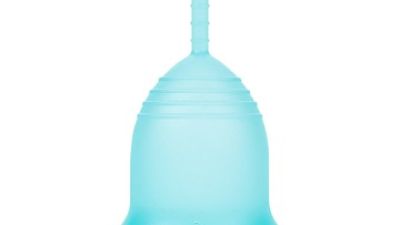
If you're shopping globally, you’ll want to pay close attention to the term “FDA Approved Menstrual Cup.” The thing is, different countries and products might have varying regulations, so just seeing a broad label doesn't necessarily mean every cup has the same approval. Before making a purchase, it’s a good idea to double-check the exact product details—like the specific name, who made it, what it’s intended for, and the latest FDA info on that device.
A Menstrual Cup might look pretty straightforward—basically just a small silicone or rubber cup, some stem, and maybe a leaflet. But don’t be fooled by its simplicity! Quality of the material, manufacturing standards, size options, and clear instructions on how to use it really matter. It's smart to ask suppliers for detailed documentation, traceability info, and proof backing up their claims. Relying solely on a logo or a fancy sales page can be risky—you might miss some important details.
This guide compares different products and what buyers should consider—like how comfortable they are, capacity, how to clean them, and what kind of regulatory info is available. When it comes to expert opinions, only include quotes if you can verify exactly what was said and where it came from. Since no specific sources are provided here, attaching a quote from a named industry pro could be misleading. That’s something to keep in mind. When you're deciding what to buy, always cross-check claims against official records or consult qualified experts—especially regulatory or medical professionals—if you’re unsure.
What FDA Authorization Means for Menstrual Cups
2026 Top FDA Approved Menstrual Cups for Global Buyers?
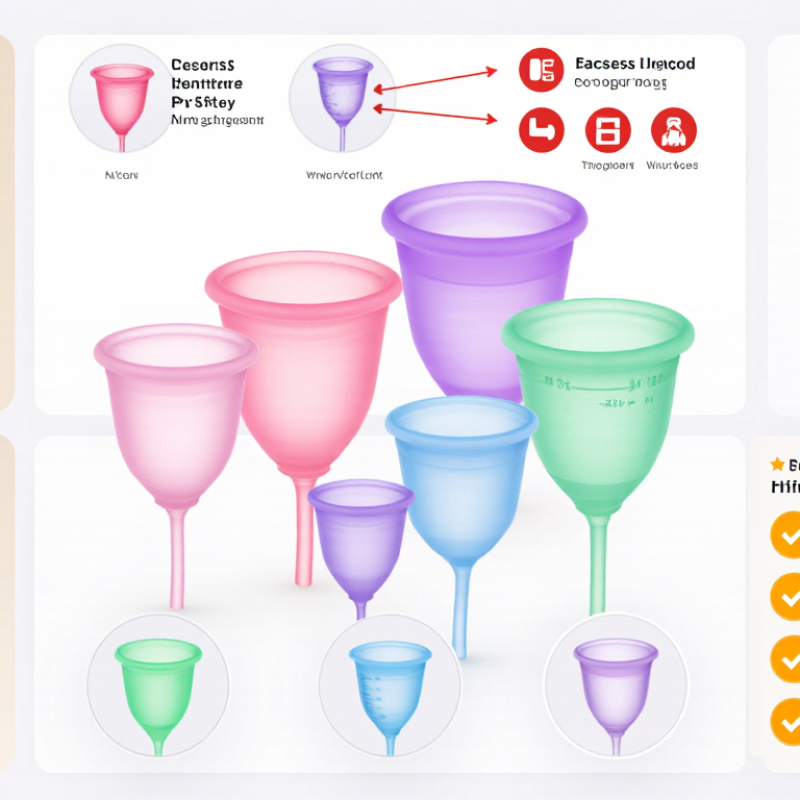
What FDA Authorization Means for Menstrual Cups
“FDA approved” is often used loosely in product listings. For menstrual cups, the relevant U.S. pathway may involve FDA clearance, not formal approval. Clearance generally means the agency found the device sufficiently comparable to a legally marketed device for its intended use. It is not an endorsement, a guarantee of comfort, or proof that every user will have the same experience. That distinction matters.
Buyers can check a product’s regulatory details in the FDA’s public device databases. Look for a matching manufacturer, device description, and clearance information where applicable. FDA registration or device listing alone does not mean that FDA reviewed or cleared a product. Ask suppliers for the specific regulatory record and confirm that it matches the cup being offered, not just a similar model.
Authorization also has limits. It does not replace careful review of materials, sizing, instructions, or quality controls. A cup that feels uncomfortable, leaks, or is difficult to remove deserves attention, even if its paperwork appears complete. Small details matter, like clear cleaning directions and a rim that suits the user’s body. Regulatory status is useful evidence, but it cannot answer every practical question. Buyers should assess documentation and real-world usability together.
How Menstrual Cups Are Made and Used
2026 Top FDA Approved Menstrual Cups for Global Buyers?
How Menstrual Cups Are Made and Used
Many menstrual cups are molded from medical-grade silicone or thermoplastic elastomer, then trimmed, inspected, cleaned, and packaged. Buyers should check material and care information from the manufacturer. The phrase “Menstrual Cup Fda Approved” is not a substitute for checking a product’s regulatory status in the intended market; approval or clearance depends on the specific product and jurisdiction.
For use, wash your hands, fold the cup, and insert it according to its instructions. Once open, it should sit comfortably and form a seal. To remove it, pinch the base to release the seal rather than pulling only on the stem. Empty and clean it as directed. A 2019 systematic review in The Lancet Public Health examined 43 studies involving 3,319 participants. It found cups were generally acceptable, but noted evidence gaps and a need for clearer user education. One point deserves humility: comfort and learning time vary.
Tips: Practice with clean hands when you are not rushed. Check the fit, emptying interval, and cleaning instructions for your own cup. If pain or persistent irritation occurs, stop using it and seek qualified health advice.
Which Materials and Designs Are Common
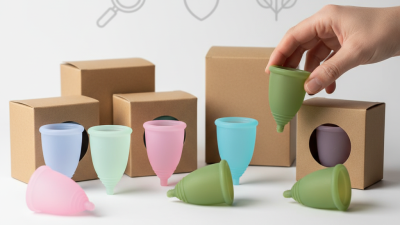
Menstrual cups commonly use medical-grade silicone, thermoplastic elastomer, or natural rubber latex. Each material feels different. Silicone is usually flexible and smooth, while some elastomer cups feel softer or firmer depending on their construction. Latex may not suit people with latex sensitivity. Material names alone do not prove product quality; check the maker’s specifications, care instructions, and applicable regulatory information. FDA status can vary by product and market, so the phrase “Icare Menstrual Cup Fda Approved” should not be treated as confirmation of a particular cup’s status.
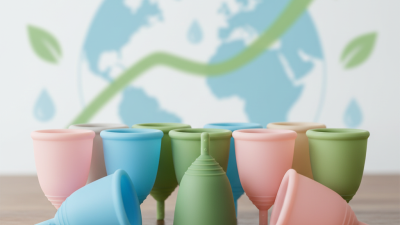
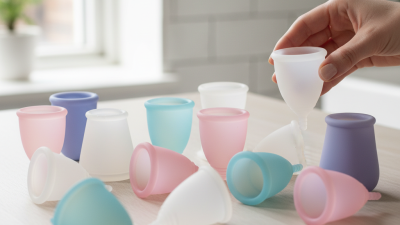
Most designs are bell-shaped, with a rounded rim and a short stem or grip. Small air holes near the rim can help release suction during removal. Capacity, firmness, and overall length vary, so a cup that works comfortably for one person may press, leak, or feel difficult to remove for another. Fit is personal. A softer cup may feel comfortable but can be harder to open; a firmer cup may open more easily but feel noticeable. These trade-offs are not always obvious from product photos. Review dimensions and cleaning directions, and ask a qualified clinician if you have pain, sensitivity, or uncertainty about fit.
How to Check FDA Regulatory Status
When searching for 2026 FDA-approved menstrual cups, check the wording carefully. The FDA often clears devices through the 510(k) pathway rather than “approving” them like medicines. A reliable supplier should provide the exact manufacturer name, product model, and FDA clearance number. Generic claims are not enough.
Search the FDA’s official 510(k) database using the product name, manufacturer, or clearance number. Confirm that the record matches the cup’s material, design, and intended use. FDA establishment registration and device listing do not prove FDA clearance. This is a common mistake, even among experienced buyers. Also review the product label, instructions, warnings, and declared size range. A database result alone cannot confirm current quality or every production batch.
Tips: Request regulatory documents before placing a bulk order. Compare the listed model with the physical sample, including packaging and dimensions. Check whether the supplier has a quality management system and traceable batch records. FDA status applies to the United States, not automatically to every destination market. Importers should check local medical-device rules, labeling language, customs documents, and testing requirements. I would not rely on a certificate screenshot; it may be incomplete, outdated, or unrelated to the product. When uncertainty remains, ask the supplier for written clarification and consult a qualified regulatory professional.
How Global Buyers Can Compare Suppliers
For global buyers researching the 2026 Fda Approved Menstrual Cup List, supplier comparison should begin with regulatory evidence. In the United States, many menstrual cups are FDA-cleared rather than “FDA approved.” Ask suppliers for the exact clearance reference, product model, intended use, and manufacturing site. Do not accept a general certificate covering unrelated products. Verify material declarations, Biocompatibility testing, leakage results, and sterilization information. Silicone quality should remain consistent across production batches.
Supplier experience also matters. Request recent batch records, inspection reports, and photographs of real production lines. A reliable manufacturer should explain mold control, curing conditions, packaging protection, and traceability codes. Check whether the supplier follows a documented quality system, such as ISO 13485, where appropriate. Compare minimum order quantities, sample costs, lead times, replacement policies, and multilingual packaging support. A low unit price may hide expensive rework.
Tips: Order samples from at least three suppliers. Test softness, firmness, odor, rim finish, and storage packaging. Measure dimensions with your own tools, not only supplier drawings. Ask for a video call during production, but remember that a staged tour is possible. Independent testing is safer. Compare certificates by issuing laboratory, date, scope, and product model. I would also review customer complaints and delivery history, although these records are not always complete. A careful comparison takes longer, but it reduces surprises after shipment.
What Quality and Import Requirements to Verify
For Menstrual Cups Fda Approved, verify the exact regulatory status rather than trusting a product-page claim. In the United States, many menstrual cups are FDA-cleared, not “FDA-approved”; ask for the relevant clearance record and confirm that it matches the product, manufacturer, and intended use. A certificate alone may not establish this. Check the device listing, labeling, and supporting documents together.
Paperwork matters. Request material specifications, biocompatibility evidence, and test reports for dimensions, durability, and leakage performance. Confirm that reports identify the tested model and production site. Review quality-system records, lot numbers, and a sample batch label; these details help connect the shipment to its manufacturing history. Ask how defects, complaints, and recalls are handled. Small gaps matter.
Import rules vary by destination. Before ordering, confirm local registration or notification requirements, importer responsibilities, customs classification, language rules, and required certificates with the relevant authority or a qualified compliance professional. Compare the invoice, packing list, product description, and carton markings for consistent details. A polished dossier can still omit a key document, and that is easy to miss when deadlines are tight. Use a written checklist, but revisit it for each market and shipment.
A Practical Guide to Period Care: Exploring the Tulip Menstrual Cup
A Practical Guide to Period Care: Exploring the Tulip Menstrual Cup
Period care is becoming more practical, sustainable, and body-conscious. A 2019 systematic review published in *The Lancet Public Health*, which examined 43 studies involving 3,319 participants, found that menstrual cups provided leakage protection comparable to disposable products in several studies. About 70% of users said they would continue using a cup, highlighting its growing acceptance as a reusable option.
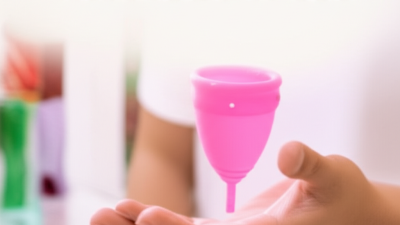
Inspired by the graceful shape of a tulip, the Tulip Cup combines an elegant design with soft, reusable medical-grade silicone for a comfortable experience. Its flexible structure is designed to open gently inside the vagina and create a secure seal, while the stem supports easier removal. Before first use, sterilize the cup according to the manufacturer’s instructions. During insertion, fold the cup, relax the pelvic muscles, and ensure it has fully opened. Empty it based on menstrual flow, generally within the recommended wear time, then rinse it thoroughly before reinserting.
For first-time users, selecting the appropriate size and practicing insertion at home can make the transition easier. Clean hands, regular sterilization, and careful storage are important parts of safe period care. With proper maintenance, a reusable silicone cup can reduce reliance on single-use menstrual products and fit conveniently into everyday routines.
FAQS
Many cups are FDA-cleared through the 510(k) pathway. “FDA-approved” may be an inaccurate description.
Request the exact manufacturer, product model, and FDA clearance number. Generic claims are not enough.
Search the FDA 510(k) database by product name, manufacturer, or clearance number. Check every detail carefully.
The record should match the cup’s material, design, and intended use. Packaging and dimensions should match too.
No. Establishment registration and device listing do not prove FDA clearance. This mistake is surprisingly common.
Ask for material specifications, biocompatibility evidence, and test reports. Reports should identify the tested model and production site.
Check lot numbers, batch labels, and traceable quality records. Compare them with the invoice and packing list.
No. Each market may require local registration, language rules, customs documents, or additional testing.
Not always. It may be incomplete, outdated, or unrelated to the product. Written clarification is safer.
Use a shipment-specific checklist and ask precise questions in writing. I might still miss something, so qualified review helps.
Conclusion
For global buyers, selecting a Fda Approved Menstrual Cup requires understanding what FDA authorization actually indicates. It generally means the product has met relevant U.S. regulatory requirements for its intended use, but buyers should still confirm the specific product status through official regulatory records and supplier documentation. Menstrual cups are typically reusable, bell-shaped products inserted to collect menstrual fluid, and their performance depends on proper sizing, fit, cleaning, and user instructions. Common materials include medical-grade silicone, elastomer, or other body-compatible materials, while designs may vary in firmness, shape, capacity, and stem style.
When comparing suppliers, global buyers should review material specifications, manufacturing controls, testing reports, quality certificates, packaging details, traceability, and production consistency. It is also important to verify import rules, labeling requirements, language needs, sterilization or hygiene information, and documentation required in the destination market. A reliable purchasing decision should consider regulatory status, safety evidence, supplier transparency, product usability, and after-sales support rather than relying only on promotional claims.