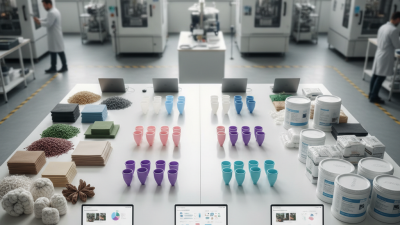
By 2026, the market for the Fda Approved Menstrual Cup is getting a lot more evidence-driven. Global buyers aren’t just looking at price or pretty packaging—they’re checking material safety, product testing, sizing, packaging, and whether the supplier is actually reliable. And there’s one big question they keep asking: does “FDA approved” really describe the product accurately?
In the U.S., Menstrual Cups might be marketed through FDA clearance or some other applicable regulatory pathway. The phrase “FDA approved” gets thrown around commercially, sure, but it shouldn’t take the place of document verification. Buyers should look at the manufacturer’s FDA listing, intended use, technical files, and quality certificates. Regulatory status can vary from one model, factory, or country to another.
Dr. Jen Gunter, an obstetrician-gynecologist and women’s health author, has said, “Menstrual cups are safe and effective.” Her point supports careful product selection—not careless buying. A reliable cup should feel flexible but stable, with smooth edges and clearly identified medical-grade silicone. The package should include cleaning instructions, size guidance, and traceable batch info.
Small details matter. Really.
For instance, a buyer might compare a 52-millimeter cup with a shorter 45-millimeter model. That difference can affect comfort, leakage control, and who the cup works best for. Supplier claims still need independent checking. Even experienced buyers can miss updated certificates or inconsistent factory records.
This guide looks at leading menstrual cup types for 2026. It weighs design, materials, regulatory evidence, user comfort, and global supply risks. No product fits everyone—and that limitation deserves attention. A strong buying decision combines clinical information, transparent documentation, and real-world feedback from the people who’ll actually use the cup.
What “FDA-Cleared” Means: 510(k) Status for Menstrual Cups in 2026
For global buyers, “FDA-cleared” menstrual cups require careful interpretation in 2026. The FDA generally evaluates these products through the 510(k) pathway. This process compares a new device with a legally marketed predicate device. It does not mean the cup is “FDA-approved” in the strongest medical sense. Clearance indicates substantial equivalence for a specific intended use.
A reliable buyer should verify the 510(k) number in the FDA database. Check the listed manufacturer, product description, intended use, and decision date. A factory registration alone is not product clearance. Neither is an FDA logo on packaging. The cleared configuration matters. Changes in material, design, sterilization, or manufacturing location may require separate review or supporting documentation.
Look closely at labeling and technical files. The documents should identify body-contact materials, usage instructions, cleaning limits, warnings, and packaging controls. Biocompatibility evidence can support safety, but it cannot guarantee comfort, leak prevention, or a perfect fit. Size charts are useful, yet real bodies vary. That part is often underestimated. Buyers may also request chemical characterization, quality-system evidence, and post-market complaint procedures. These checks are especially important when importing across regions, because FDA clearance does not automatically satisfy every local market requirement. A careful purchasing decision combines verified regulatory status with practical evidence from production and user experience.
Menstrual Cup Types by Shape, Firmness, Diameter, and 20–40 mL Capacity
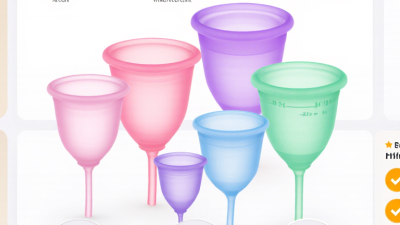
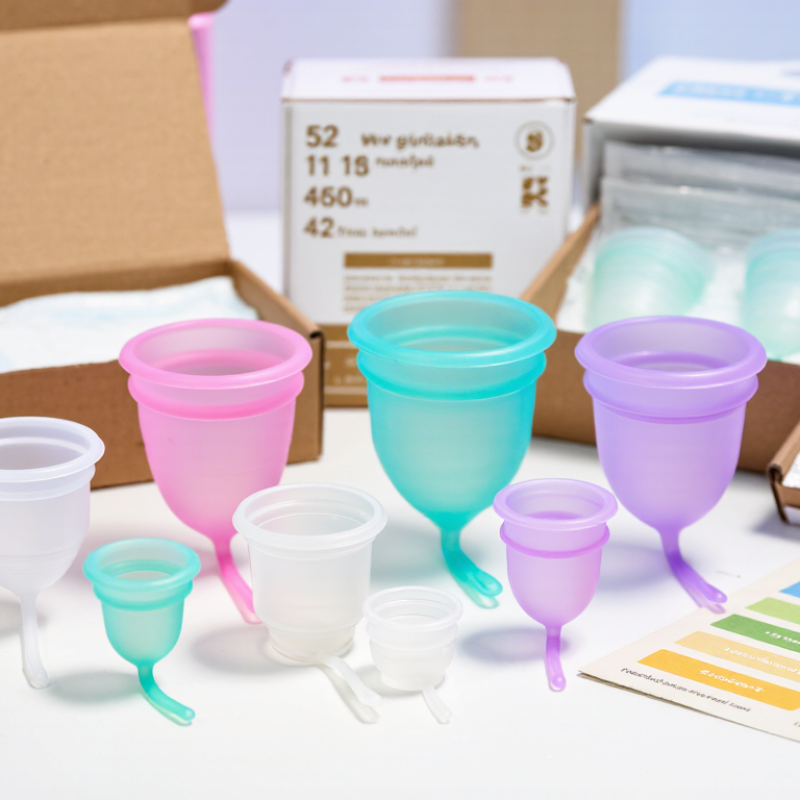
Choosing A Menstrual Cup starts with fit, not color or advertising. Shape affects placement. A bell-shaped cup may suit a higher cervix, while a shorter, wider cup may suit a lower cervix. Measure your cervix during bleeding, when it may sit lower. Diameter matters at the rim and body. A 40–45 mm diameter can feel stable, but smaller anatomy may prefer 38–42 mm. These ranges are guides, not guarantees. Bodies vary.
Firmness changes comfort and opening. A firmer cup often pops open quickly and supports active movement. A softer cup may reduce pressure near sensitive bladder areas. However, very soft silicone can collapse during insertion or exercise. Capacity should match flow. Cups holding 20–25 mL suit lighter days or frequent emptying. Models near 30–40 mL may help during heavy flow, but leakage can still occur if the seal is poor. Check stem length, measurement markings, silicone quality, and cleaning instructions. The phrase “Menstrual Cup Fda Approved” deserves careful checking. Verify current authorization details through official regulatory databases, not marketplace wording.
Tips: Test one variable at a time. Try water-based lubricant, relaxed muscles, and a clean cup. Empty it according to the instructions, and wash your hands before removal. Stop if pain, rash, fever, or unusual odor appears, and seek qualified medical advice. A sizing chart helped me, yet it did not predict comfort perfectly. That uncertainty matters.
Medical-Grade Materials and ISO 10993 Biocompatibility Testing
For global buyers, material safety deserves more attention than a polished product photo. A menstrual cup should use medical-grade silicone or another documented body-contact material. The material must remain stable during repeated washing, boiling, and prolonged vaginal contact. It should not produce a strong chemical odor, sticky surface, or visible color change.
ISO 10993 biocompatibility testing provides a useful safety framework. Relevant evaluations may include cytotoxicity, irritation, sensitization, and chemical characterization. Testing should match the product’s contact type and duration. A single ISO 10993 report is not automatically proof of complete safety. Details matter. Buyers should request the test scope, laboratory identity, sample description, and report date. A certificate alone can still leave questions.
In the United States, many menstrual cups are regulated as medical devices and may be FDA cleared, rather than FDA approved. The phrase “Icare Menstrual Cup Fda Approved” should therefore be checked against official regulatory records and supporting documents. Reliable suppliers should also provide lot traceability, manufacturing controls, material specifications, and clear cleaning instructions. I would not rely on “medical grade” wording without evidence. Even small design features matter, such as smooth edges, consistent wall thickness, and a securely formed stem. Field feedback is valuable, but it cannot replace laboratory testing. Safety review should remain ongoing.
Wear Time, Leak Control, and the Common 8–12-Hour Use Range
For global buyers comparing FDA-cleared menstrual cup types, wear time needs careful interpretation. The common 8–12-hour range usually comes from product labeling, not a universal medical rule. Flow volume, cervix position, and cup capacity can shorten that interval. On heavy days, checking the cup after four to six hours is more realistic. Overnight use should follow the manufacturer’s instructions. U.S. FDA records support checking a product’s regulatory status and labeling, but clearance does not guarantee a perfect fit.
Leak control depends on more than capacity. A fully opened rim should sit below the cervix, with gentle suction rather than painful pressure. A 2019 systematic review in The Lancet Public Health examined 43 studies involving 3,319 participants. Available comparisons generally found leakage similar to, or sometimes lower than, disposable products. However, the evidence remained limited and product designs varied. That matters. A cup can still leak, especially during the first cycles, after incomplete opening, or when the cup is already full. Practical fitting is partly technical and partly personal. Human anatomy is not a specification sheet.
Sizing by Menstrual Flow, Cervix Height, and Postpartum Anatomy
2026 Best FDA-Approved Menstrual Cup Types for Global Buyers
Choosing a menstrual cup should begin with anatomy, not advertising. Fit is personal. A 2019 systematic review in The Lancet Public Health analyzed 43 studies involving 3,319 users. It found menstrual cups provided comparable protection to disposable products, although leakage still occurred for some users. Capacity matters during heavy flow, but diameter and length matter more for comfort.
For heavier bleeding, consider a higher-capacity cup, then check your cervix height. A low cervix may need a shorter cup with a compact body. A high cervix may suit a longer design that remains reachable. Measure gently during menstruation, when the cervix can change position. Not every chart agrees. That is a real limitation in global sizing guidance.
Postpartum anatomy requires extra care. Pregnancy and vaginal birth can temporarily change vaginal width, pelvic-floor tone, and cervix position. A previous cesarean birth may involve different changes, but it does not guarantee the previous size will remain suitable. Wait until postpartum bleeding has ended and healing is complete. Seek clinician guidance before reuse, especially after stitches, pain, infection, or pelvic-floor symptoms. The U.S. FDA classifies menstrual cups as Class II medical devices, while its consumer guidance emphasizes following product instructions and seeking medical advice when concerns arise. A cup can be technically compliant yet still feel wrong. Remove it if pressure, persistent leakage, or difficulty urinating develops.
2026 Best FDA-Approved Menstrual Cup Types for Global Buyers
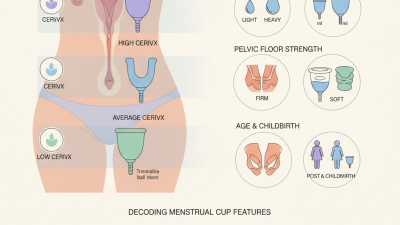
Sizing guide based on menstrual flow, cervix height, and postpartum anatomy. FDA clearance applies to individual medical devices rather than universal size categories.
Menstrual flow Light flow commonly suits a 15–25 mL cup, moderate flow a 20–30 mL cup, and heavy flow a 30–50 mL cup. Heavy menstrual bleeding is clinically associated with blood loss above approximately 80 mL per cycle.
Cervix height A low cervix, generally below 45 mm, often benefits from a shorter cup body. A cervix around 45–55 mm is commonly compatible with standard lengths, while a cervix above 55 mm may need a longer body or stem.
Postpartum anatomy Do not use a menstrual cup during lochia or before postpartum healing. Many people wait until the postpartum check, often around six weeks, and should follow individual medical advice because pelvic-floor changes vary.
Capacity ranges are general sizing references, not medical prescriptions. Measure cervix height during menstruation and review product labeling and healthcare guidance before use.
Global Compliance: FDA, EU MDR, UKCA, and ISO 13485 Requirements
For global buyers, a “Fda Approved Menstrual Cup List” should be treated as a verification starting point, not a complete compliance guarantee. In the United States, menstrual cups are generally cleared through the FDA 510(k) pathway rather than “approved” in the everyday sense. Check the manufacturer, clearance number, intended use, material information, labeling, and FDA database entry. Small details matter, such as silicone grade, cup dimensions, cleaning instructions, and warning language.
In the European Union, buyers should confirm compliance with the EU Medical Device Regulation. This may require a technical file, clinical evaluation, risk management, post-market surveillance, and a valid CE marking route. The economic operator’s details should be visible on packaging or documents. A certificate alone is not enough. UK buyers must review UKCA requirements, UK responsible-person details, and current recognition rules for applicable conformity routes. Requirements can change, so outdated supplier documents deserve careful questioning.
ISO 13485 supports the manufacturer’s quality-management system. It does not automatically prove that every cup is safe or legally marketable. Ask for current certificates, scope statements, batch traceability, biocompatibility evidence, and complaint-handling procedures. Look closely. A polished compliance folder may still contain mismatched product names or expired certificates. One practical weakness is relying on supplier summaries without checking official records. Independent review, sample inspection, and clear corrective-action processes can reduce that risk.
Supplier Evaluation: Sterility, Testing, Claims, and Product Traceability
For global buyers, evaluating Menstrual Cups Fda Approved products starts with careful wording. FDA generally clears medical devices rather than approving every marketing claim. “Approved” may be inaccurate. Suppliers should provide device listing details, clearance references, manufacturing locations, and intended use. Check whether each cup size matches the documented product.
Sterility needs practical clarification. Many reusable cups are supplied nonsterile. The supplier must state this clearly and provide validated cleaning and disinfection instructions. For sterile products, request sterilization records, packaging validation, and shelf-life evidence. Testing should cover biocompatibility, chemical safety, dimensional stability, seal performance, and repeated-use durability. Ask for complete reports, not only certificates. A neat certificate is not enough.
Traceability should reach the production floor. Each package should show a lot code, production date, material information, and responsible facility. The supplier should connect these records with complaints, investigations, and recall procedures. Claims such as “chemical-free,” “risk-free,” or “fits everyone” deserve careful questioning. They may sound persuasive but lack measurable support. I would inspect cartons, labels, and sample cups together. Small mismatches can reveal weak controls. One limitation remains: documents cannot prove every factory practice. Independent audits and periodic sampling still matter.
Conclusion
Choosing an Fda Approved Menstrual Cup in 2026 requires more than comparing appearance or price. Buyers should understand that menstrual cups are generally evaluated through the FDA 510(k) clearance pathway, rather than described as “FDA approved” in the same way as medicines. Key selection factors include cup shape, firmness, diameter, and capacity, typically ranging from 20 to 40 mL. Medical-grade silicone or other suitable materials should be supported by ISO 10993 biocompatibility testing, while design features should promote secure positioning, leak control, and comfortable wear within the commonly recommended 8–12-hour range.
Proper sizing depends on menstrual flow, cervix height, pelvic anatomy, and whether the user has experienced childbirth. For international distribution, suppliers should demonstrate alignment with applicable FDA, EU MDR, UKCA, and ISO 13485 quality requirements. Buyers should also verify sterilization status, test reports, product claims, batch records, and traceability systems to support consistent quality and responsible market access.