For a lot of people, picking the right menstrual product can feel pretty overwhelming. The Period Cup has actually become pretty popular around the world because it’s eco-friendly and super comfortable. This guide's here to help make your decision a little easier, so you don’t have to stress out about it.
When you're on the hunt for the best Period Cup, keep an eye on things like size, firmness, and what it’s made of. Every brand has its own features, and some, like DivaCup and Saalt, offer different sizes to suit different needs. Finding the right fit really makes a difference for how comfortable and effective it will be.
Also, a quick heads-up—be careful with online reviews. Not all of them are totally genuine or helpful. Some might lack real substance or just be biased. It’s important to understand your own preferences and what works best for you. Making an informed choice here can totally change your period experience for the better. Picking the right Period Cup can really make those days smoother and more comfortable.
Types of Menstrual Cups Available Globally
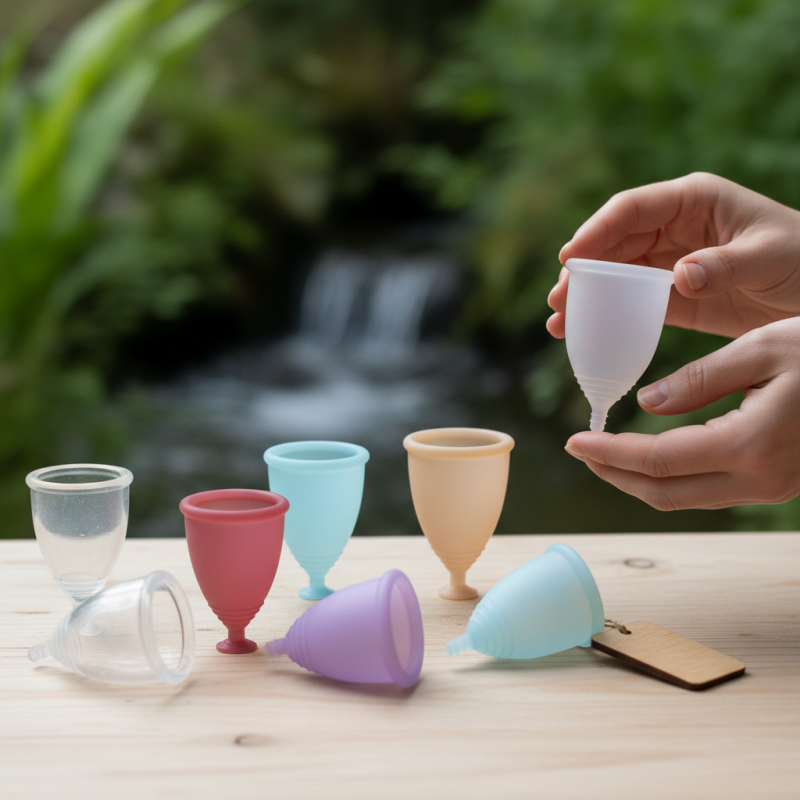
Menstrual Cups have gained immense popularity, yet many buyers are unsure of the options available. Globally, there are various types of menstrual cups, each tailored to different needs and preferences. The primary materials used aresilicone, rubber, and thermoplastic elastomer. According to a 2022 industry report, over 70% of users prefer silicone for its durability and hypoallergenic properties.
The cup's size is another crucial factor. Most brands offer small and large sizes, typically based on age and biological factors. A recent survey indicated that nearly 50% of users reported size and fit as their most significant concern. There are also different shapes, including bell-shaped and graduated options. Many users may overlook how a cup's shape affects comfort and leak prevention.
Each type has advantages and downsides. For instance, some users experience discomfort with firmer cups, while others appreciate the added firmness for better positioning. The learning curve can be challenging, leading to a significant percentage of users abandoning the product within the first few cycles. Understanding these nuances can help buyers make informed choices.
Factors to Consider When Choosing a Menstrual Cup
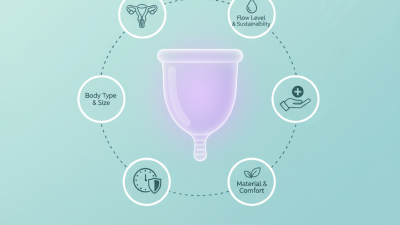
Choosing the right menstrual cup can be overwhelming. With various sizes, shapes, and materials available, it's essential to focus on personal needs. Start by considering your flow level. Heavier flow may require a cup with higher capacity. On the other hand, a lighter flow could benefit from a smaller option. Understanding your preferences will help narrow down your choices.
Another critical factor to consider is comfort. Some users prefer softer cups, while others find firmer ones easier to use. Try different styles to see which feels best. Additionally, evaluate the placement of the cup. A Period Cup Applicator can simplify insertion for some. However, others may still struggle, indicating a need for practice and patience.
Don't overlook material safety. Many cups are made from silicone or latex. Testing for allergies can prevent discomfort later on. The eventual fit will also vary with anatomy. It’s not uncommon to feel frustration during this process. Each user’s journey is unique, often requiring experimentation. Be open to adjustments and seek supportive communities for shared experiences.
Top Brands for Menstrual Cups in 2026
When exploring the best menstrual cup options for 2026, it's essential to consider brand reputation. Leading brands often provide superior quality and safety standards. Many customers prefer brands known for their rigorous testing and transparency. Sometimes, brands don't meet everyone's expectations. This inconsistency can lead to confusion and mistrust.
Focus on materials used in menstrual cups. Silicone, rubber, and thermoplastic elastomer are common choices. Each material has its benefits and downsides. Some users prefer softer cups for comfort, while others value firmness for easier insertion. It’s important to choose what feels right for your body. Additionally, some brands might not clearly detail their sourcing practices.
User reviews play a crucial role in selecting a menstrual cup. Ultimate comfort is subjective, so feedback can offer varying perspectives. Some cups may leak for specific users, while others enjoy a perfect seal. Understanding these nuances can take time. Researching thoroughly can lead to a better choice, ensuring a reliable product for your needs.
User Reviews and Ratings of Menstrual Cups
When considering menstrual cups, user reviews play a vital role. They provide insight into real-life experiences and help potential buyers make informed decisions. A recent study revealed that about 70% of users prefer menstrual cups over traditional products due to comfort and cost-effectiveness. These cups can last for years, significantly reducing waste and expenses for users. However, reviews vary widely, reflecting personal preferences and individual anatomy.
Some users report an initial learning curve, which cannot be overlooked. Many find it challenging to insert or remove menstrual cups, leading to frustration. This highlights the importance of reading reviews to gauge different experiences before purchasing. User ratings show that around 90% of satisfied users recommend trying menstrual cups, despite the initial challenges.
Tips: Always look for Period Cup Certificadas, as certifications indicate safety and quality standards. It's also helpful to read reviews focusing on sizing and material preferences, as every person's body is unique. Engaging in community discussions can provide useful insights, but remember that what works for one may not work for another. User stories remind us that every journey with these products involves some trial and error.
Environmental Impact of Menstrual Cups vs. Other Products
The environmental impact of menstrual cups is significant when compared to traditional products. Many women still rely on disposable pads and tampons, which contribute to a staggering amount of waste each year. Disposable products take years to decompose. In contrast, a menstrual cup can last for years with proper care. This not only reduces waste but also signifies a step toward sustainable practices.
Menstrual cups reduce plastic pollution significantly. The average woman uses over 11,000 tampons in her lifetime. This leads to an overwhelming amount of plastic waste. Utilizing a Period Cup With Applicator encourages women to make eco-friendly choices. Every small step counts in reducing environmental damage.
Tips for making the switch include educating yourself on proper use and maintenance. Consider your flow when selecting a cup. For some, a Period Cup With Applicator can make insertion easier. Remember to Clean Your Cup thoroughly between uses. Take time to adjust; it might feel uncomfortable at first. Embrace the learning curve; every positive change requires some effort.
2026 Best Period Cup Reviews for Global Buyers - Environmental Impact of Menstrual Cups vs. Other Products
| Product Type | Material | Average Duration (Years) | Environmental Impact (Rating) | Cost per Use ($) |
| Menstrual Cup | Medical Silicone | 5-10 | 9/10 | 0.25 |
| Reusable Cloth Pad | Cotton | 5-6 | 8/10 | 0.75 |
| Disposable Pad | Plastic, Cotton | 1 | 3/10 | 2.00 |
| Tampons | Cotton, Rayon | 1 | 4/10 | 1.50 |
Usage Tips for First-Time Menstrual Cup Users
Trying a menstrual cup for the first time can be intimidating. Many users worry about comfort and leaks. Start by familiarizing yourself with how a menstrual cup works. Read the instructions that come with it. You want to understand the folding techniques for insertion. There are different methods that suit various body types.
Practice makes perfect. It might take a few tries to get it right. Don't be discouraged if it feels awkward initially. You may experience some trial and error. Pay attention to how the cup feels once it's in place. It should sit low in the vaginal canal without discomfort. Listen to your body, and adjust as needed.
Hygiene is crucial. Always wash your hands before and after handling the cup. Regularly sanitize it according to the guidelines. It’s also wise to have panty liners handy as a backup. You’re learning to trust the cup, which can take time. Each cycle is a chance to improve your experience.
Maintenance and Cleaning of Menstrual Cups
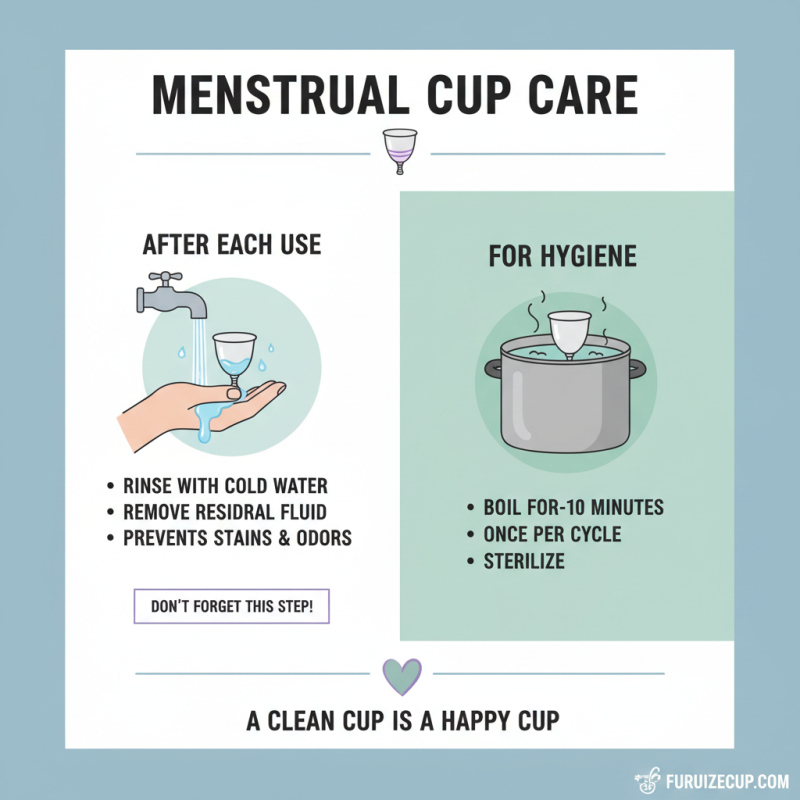
Cleaning and maintaining a Reusable Period Cup is crucial for optimal health and hygiene. After each use, rinse the cup with cold water to remove any residual menstrual fluid. This helps prevent stains and odors. However, many forget this step and may experience discomfort later. Remember, a clean cup is a happy cup.
For a deeper clean, using mild soap is advisable. Avoid harsh chemicals, as they can degrade the material over time. Some users prefer boiling their cups for about five to ten minutes every cycle. This method effectively kills bacteria. Still, be cautious; overheating can lead to warping.
Storage also matters. Keeping your reusable period cup in a breathable pouch is vital. Many people overlook this, using airtight containers instead. An airtight environment can foster bacteria growth. Reflecting on these details is essential to achieve long-term satisfaction with your menstrual cup. Proper care enhances both your experience and health.
FAQS
: Focus on your flow level and comfort. Assess size, shape, and material to find the right fit.
Heavier flow needs a cup with higher capacity. Lighter flow may benefit from a smaller option.
Some prefer softer cups, while others find firmer ones easier. Try different styles to see what feels best.
Yes, it makes insertion easier for some, but others may still find it challenging. Practice is essential.
Most are made from silicone or latex. Testing for allergies can prevent future discomfort.
They reduce waste significantly compared to disposable pads and tampons, which take years to decompose.
A cup can last for years, unlike disposables that create overwhelming plastic waste over time.
Clean it thoroughly between uses. Proper maintenance is vital for hygiene and comfort.
It’s normal to feel discomfort at first. Take time to adjust and embrace the learning curve.
Join supportive communities for shared experiences and advice. Experimentation is part of the process.
Conclusion
The article titled "2026 Best Period Cup Reviews for Global Buyers: How to Choose?" provides an insightful overview of menstrual cups, also known as period cups, which are becoming increasingly popular alternatives to traditional menstrual products. It discusses the various types of menstrual cups available worldwide, helping users understand the options they have. The article highlights crucial factors to consider when selecting a period cup, such as size, firmness, and material, ensuring that women can make informed decisions based on their individual needs and preferences.
Additionally, the piece includes user reviews and ratings, shedding light on real experiences to aid potential buyers. It addresses the environmental impact of period cups compared to other menstrual products, emphasizing their sustainability benefits. For first-time users, the article offers practical usage tips and thorough maintenance and cleaning guidelines to ensure optimal hygiene and longevity of the product. Overall, this resource serves as a comprehensive guide for anyone looking to explore the benefits and usage of period cups in 2026.